

Good debt vs bad debt: What's the difference?
How well are you handling your finances?
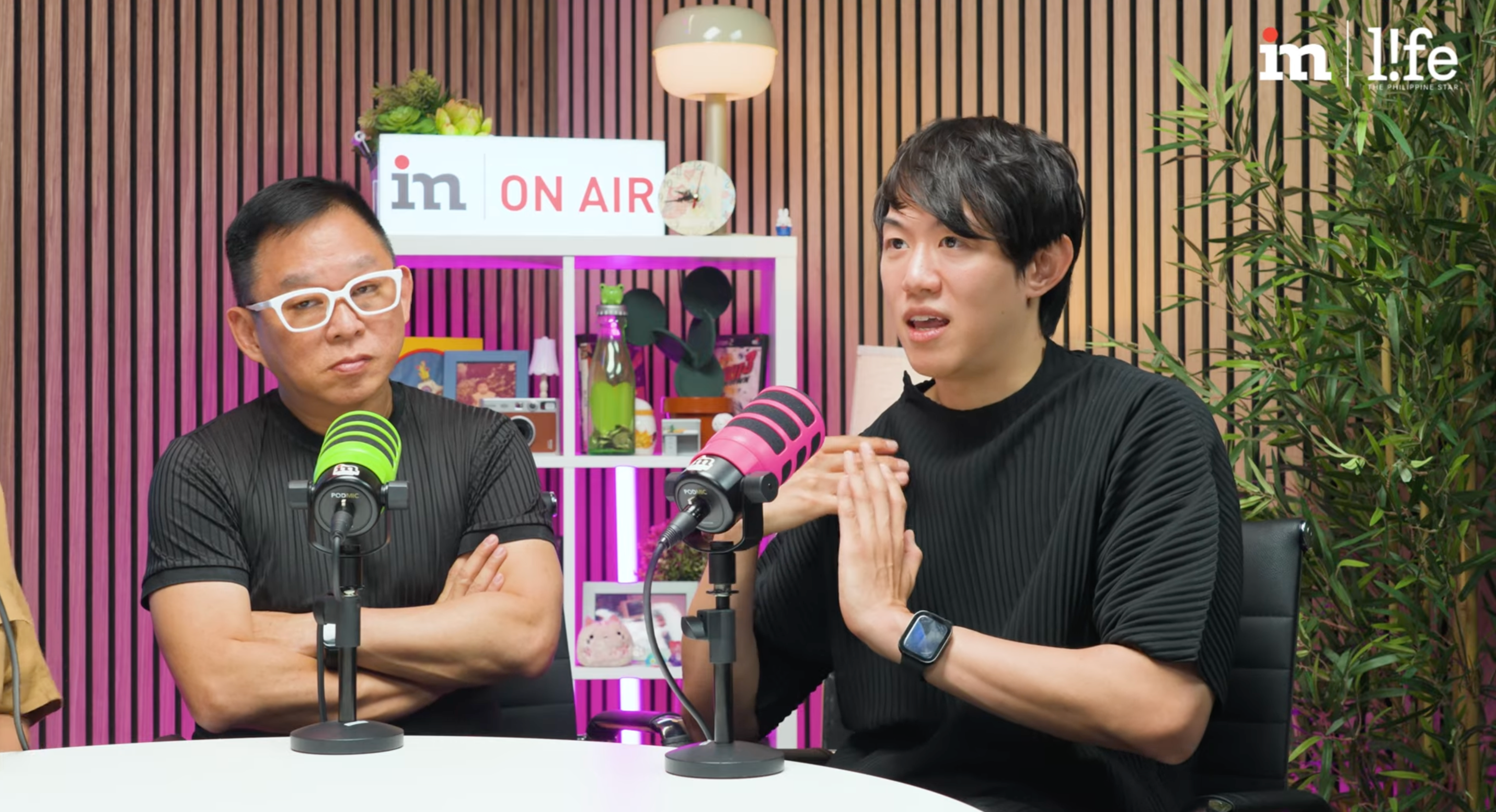
Managing money is far from easy, especially with rising expenses, unexpected bills, everyday essentials, and the pressure of saving for the future. In the 13th episode of PhilSTAR L!fe's Generations podcast, veteran journalist Luchi Cruz-Valdes, Gen Z columnist Angel Martinez, and millennial content creator Raco Ruiz talked with financial experts Chinkee Tan and Jax Reyes on how to improve your financial situation—whether you're trying to save more money, pay off debt, build an emergency fund, or simply stretch your budget until the next payday.
Do you have a credit card?
According to Tan, using a credit card is not inherently bad. “If the credit card you’re using is making your life easier, you’re using it the right way—you pay everything in full at the end of the month. But if you’re only paying for the minimum and get charged interest, it’s gonna make your life more stressful,” Tan said.
The financial consultant noted how people tend to overlook the charges that come with it.
“Ang psyche ng taong gumagamit ng credit card, 'As long as I can pay the minimum, okay na,' but they fail to understand ‘yung charges,” Tan explained, citing finance charge, annual fee, and late payment fee as examples.

CONTINUE READING BELOW

Reyes, a finance content creator, stressed that people should always look at interest rates from a broader perspective.
“‘Wag mo titingnan na 3% lang, always look at it in a year-long perspective,” Reyes said, adding that minimum payment merely saves you from late fees.
“If you’re the type na laging minimum payment, every month you’re just paying for the interest, so parang 'di lumalaki ‘yung balanse mo,” he added.
Tan noted that paying only the minimum amount due can keep you in debt for at least 15 years, depending on your remaining balance.
Ruiz raised the question of why people should use credit cards instead of debit cards when both offer convenience when making purchases. To which, Reyes touched on the added security features and protection that credit cards offer users.
"Every time you use a debit card, or somebody uses it, or na-fraud ka, ubos kaagad lahat. Unlike the credit card, if na-fraud, which is not you giving out your OTP, usually, may chance the bank will recover the money,” Reyes said. "'Pag nawala ‘yung money sa debit card, you don’t have the money to spend na, but the credit card, you still have money because your debit card is intact."
Online lending apps
Almost everything can be done online now, including borrowing money. Some people promote online lending apps as quick and easy, requiring only one ID. With the rise of these services, experts stressed the importance of carefully assessing all details before getting a loan.
"May deception also sa online lending apps na not licensed. 0.75 [interest] pero they will not disclose na per day," Tan said. Reyes echoed this, adding that the public must look to reputable sources, be more discerning, and do proper due diligence when searching for information online instead of falling for content made just for a quick buck.
Talking about generational differences, Cruz-Valdes shared how lending platforms were not as accessible before compared to today. “We were really brought up to not borrow if we couldn’t pay," she said.
Tan added, “The concept of hiram or utang [is] I cannot afford to wait, I want it now.”
Reyes stressed the importance of fully understanding loan terms, reading the fine print, and not being easily swayed before borrowing money.
"It’s important for us to keep drilling down the narrative. Bago ka mangutang, you have to ask yourself: Kaya mo bang bayaran? At naiintindihan mo ba siya?'" he said.
How to build savings
To build your funds, Reyes stressed the importance of making saving a habit by allotting a portion of your income for your savings.
"For us, what happens is we put savings at the last part of every month. For me, what we should do is, let’s flip the cycle—unahan mo muna siya," he said. "At least kung ano mang matira sayo, we make it work."
The experts also suggested converting your free time and talent into money.
Martinez noted how today’s generation seems to be “short-sighted” in achieving financial milestones, noting the “deserve ko ‘to” mindset, unlike the older generation.
For his part, Tan associated it with a lack of "LDR."
"Literacy: Kailangan matuto ka; Discipline: Kahit na alam mo, pero kung wala kang disiplina, marupok ka, ubos pa rin," he said.
Tan noted that financial stability can be hard to maintain, as spending often grows alongside income. "'Yung aspiration walang tigil ‘yan eh," he said, stressing the need to learn the R: Responsibility.
"The goal in life is not to pursue financial stability; the goal in life is to practice financial responsibility. Whatever you’re earning right now, you make it work. Just because na may pera ka doesn’t mean you have to spend it," he said.
Reyes added that the convenience of doing everything online—from opening bank accounts to buying things—can be a double-edged sword.
“You have to make it hard for yourself to use the money and buy that next thing," he said. Ruiz added, "Just don't buy anything you can't afford. In the bigger picture, you’re spending more money; it’s like tricking yourself."
Martinez noted that while it’s human nature to improve one’s lifestyle, many people are easily swayed into joining trends simply because everyone else has them.
“Things that could have gone towards more worthwhile pursuits, stuff that you could have used to invest in your own potential, parang nasa-side track tuloy,” she said.
Reyes offered one simple piece of advice to help people manage their spending: “Before you spend, just ask yourself: Is it budgeted? Kung hindi, don’t buy it.”
For Tan, he usually multiplies the amount by five before making a purchase. “Walang mahal na bagay—it all depends on your capability and affordability,” he said.
Once you have built the necessary funds, you can now try to start investing.
"Ang goal mo hindi lang mag-ipon; liliit ang pera eh. Palaguin mo, mag-negosyo ka, learn a new skill, because you’re just one skill away [from doubling] your income," Tan added.
Investment 101
Before making investments, Reyes strongly suggested learning everything first—from the different kinds of investments to your personal investment profile. From there, you can build the habit of investing small amounts regularly, as seeing your money grow can make investing more enticing.
Even if you don’t have money to invest yet, Tan advised doing a practice investment by choosing a stock and writing it down in a journal. After a few months, check how it performed and see whether its value increased or even doubled. Whatever the outcome, the advantage is that you gain investing experience and insights without risking any money.
Both money experts stressed that gambling is not a form of investment. They noted that Filipinos tend to have a higher appetite for gambling than investing, with Tan pointing out that its “instant” nature is what makes it appealing.
"Ang problema kasi gusto nila agad eh, mabagal ang investment,” Tan said. To cope with this, the financial consultant suggested cutting unnecessary expenses and looking for additional income.
They also agreed that it's worth investing in real estate as its value tends to appreciate over time.
Above anything else, Cruz-Valdes stressed the importance of preparing for retirement and securing health insurance, noting that many Filipinos are just "one illness away from poverty."
Reyes acknowledged that while it’s easier said than done, building the habit is still important.
“It will be hard. It won’t be easy," he said, "but once you build the correct habits, you’ll know na kaya mo naman pala."
Watch the full episode below.
Follow PhilSTAR L!fe on YouTube and Spotify to catch new episodes of Generations.

WATCH: Is Gen Z too soft? (Generations Ep. 23)
September 30, 2026
WATCH: Can we talk about death and grief? (Generations Ep. 25)
October 14, 2026