

I don’t think I’ll ever love my body—and that’s okay

Every week, PhilSTAR L!fe explores issues and topics from the perspectives of different age groups, encouraging healthy but meaningful conversations on why they matter. This is Generations by our Gen Z columnist Angel Martinez.
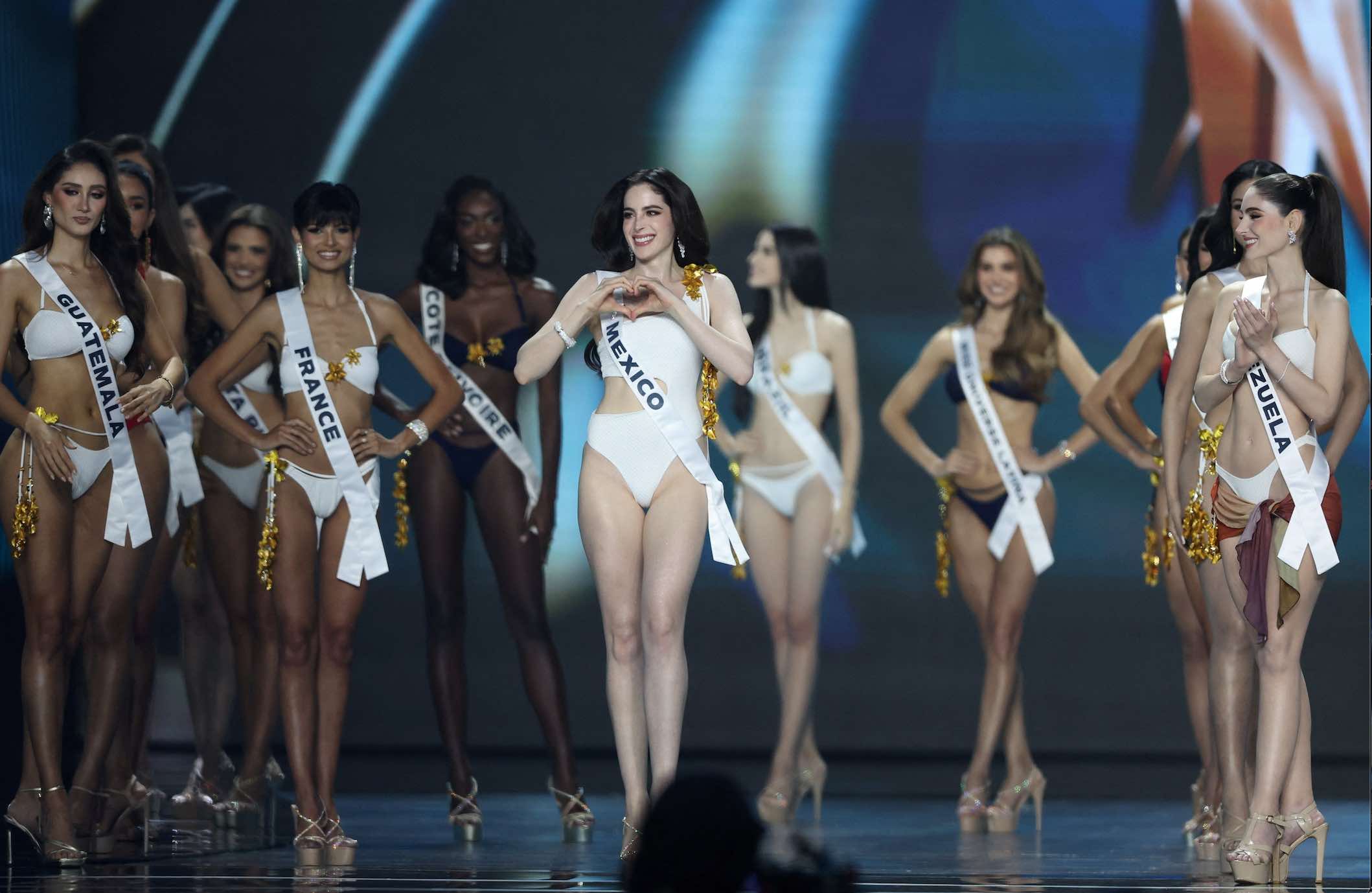
Another Miss Universe pageant has come and gone. I’m surprised I didn’t know it was over until Miss Mexico’s lackluster Q&A performance stormed my social media feeds, because I’m usually seated for the swimsuit portion. I wouldn’t say I’m a fan of seeing statuesque beauties strut down a runway. It’s just that I’ve always studied and scrutinized others’ bodies as closely as I do with my own.
It’s a harmful habit so ingrained in me, I can’t pinpoint the exact moment it began. But we all know the reason why: The internet has always had a reputation for manufacturing flaws. Anyone who witnessed the collective obsession with Chloe Ting workouts, thigh gaps, and Victoria’s Secret Fashion Shows is well aware.
Now, I guess I just don’t care anymore—finally, after spending my teenage years in a vicious cycle of taking bitter appetite suppressants, and binging at the first sign of stress. Yet despite the work I’ve put in to get to this point, I can’t exactly say I love what I look like.
I did try to, as inspired by the body positivity movement that was all the rage in the early 2010s. Originally a tenet of the fat liberation movement of the 1960s, this was supposed to coexist alongside public anti-discrimination protests and anti-capitalist calls against the diet industry.

The version I grew up on, however, was repackaged, sanitized, and sold in pastel colors. Campaigns from corporations told us to embrace bodies in all shapes and sizes, while magazines and brands started featuring plus-size women front and center. Being fat was suddenly fabulous, and thick thighs could apparently save lives.
It’s hard to stay empowered, though, when the advocacy is more of an aesthetic. The celebrities and models at the forefront of the movement were often white, conventionally attractive, and size 2s, forcing their stomachs to bloat for staged before-and-after photos. Of course, they were happy to be themselves! Meanwhile, I had hip dips and thigh dimples, with a face full of baby fat to boot. How was I expected to love my body unconditionally if I was too busy conforming and contorting myself?
Thankfully, real life intervened. I grew too busy to monitor every pound gained or count every calorie. Back in college, I was dining out with friends so frequently, the rules of intermittent fasting no longer applied to my schedule. Pandemic times shifted my habits more, as the need for public-facing performance disappeared completely. By the time I graduated, I was at my heaviest, but the noticeable absence of shame had a certain lightness to it.
I’ve carried this so-called "body neutrality" with me since. Coined by eating disorder specialist Anne Poirier a decade ago, the concept prioritizes what the body can do, over what it appears to be—function over physique, sustenance over sacrifice. It’s staring at my reflection with no strong feelings. It’s simply acknowledging that my body changes with the seasons of my life, and this is what happens to be its current version.

These days, this can look like finding exercise routines we can realistically and sustainably execute, even if it makes us Zumba moms at 25. Intuitive eating is a good practice, too. We honor our body’s internal signals for hunger and fullness, instead of complying with the rules and restrictions of traditional diets. It doesn’t mean suddenly stopping all physical activity or quitting nutritious food. But in times when a bag of potato chips and a little pint of ice cream can soothe us, we shouldn’t deny ourselves the simple pleasure.
Journaling has helped me a lot, too. Sometimes, a light-colored shirt reveals too much pudge, or I come across streaks of hyperpigmented skin in the mirror, and I’m reminded that I’m only human. But rather than ruminating as I’ve done before, I acknowledge the passing thought and set it free. Feeling like I look terrible doesn’t make it true, anyway: Obsessive self-hatred is just narcissism in another font.
Instead, I choose to center my personhood on other things. Things that actually matter. It’s a quiet rebellion when we’re all conditioned to form all first impressions on appearances. I doubt I’ve attracted the right people in my life because of my figure, so why should I make that the most important thing about me? I believe I can carry a conversation, that I’m funny in my own weird way. I’m kind and go the extra mile to help others. We can all benefit from such self-talk.
Of course, body neutrality isn’t without its blind spots. For some people, their bodies will always be politically charged, affecting the opportunities they have access to and the spaces they’re permitted to enter. Writer Marisa Meltzer says it best in an interview for Them: “How am I supposed to step back and coolly assess something I have such a charged relationship to?”
But if your relationship with your body fluctuates as quickly as the numbers on a scale, I think it’s worth a shot. Body neutrality is the ideal middle ground for anyone who has stopped nitpicking the way they look, but has yet to embrace total self-acceptance. It doesn’t demand that we love ourselves and buy a specific product to prove it. All it asks is that we simply be.
Generations by Angel Martinez appears weekly at PhilSTAR L!fe.

WATCH: Is Philippine cinema still thriving? (Generations Ep. 19)
September 2, 2026