

Rethinking scalp care: Moving beyond hiya
BrandedUp in partnership with

Filipinos commonly experience different scalp concerns every day, from dandruff and hair fall to oiliness. Yet despite how common these are, many still quietly carry a sense of hiya around scalp concerns. These stories explore what happens when that silence shifts—from shame to care—toward understanding, and the confidence to show up as you are.
Paola Bagaforo: A construction professional working in hard hats, heat, and long site days
For Paola Bagaforo, no two days are ever the same.

As a contractor and managing partner of a design studio, her work moves between construction sites, client meetings, and creative planning sessions. Some days are spent under the sun, walking through projects in progress. Others are in conversations—presenting ideas, refining concepts, and building relationships.
It’s a pace that demands both presence and precision.
But during especially busy periods, she began to notice small changes.
CONTINUE READING BELOW

Long days on-site, constant exposure to heat, and the pressure of managing multiple projects started to show—not just in fatigue, but in her scalp. Oiliness, occasional flakes, and discomfort would surface, especially after hours outdoors.

It was subtle, but enough to be distracting.
“Especially during meetings or events,” she shares, “you become more aware of it.”
In moments where first impressions matter, that awareness can shift your focus away from the conversation, and toward something you’d rather not think about.
A matter of intention
For Paola, the shift came from a simple realization: care shouldn’t stop at the visible.
“Scalp care is just as important as skincare,” she says.
From then on, it became part of her routine—not an afterthought, but something intentional. Using products like Dove Derma Scalp, she began addressing the concern at its source, rather than working around it.

The difference is steady, but meaningful.
Now, whether she’s walking a site, presenting to a client, or catching up with colleagues, there’s less distraction, and more focus on the work itself.
Because in her line of work, confidence isn’t just about what you build.
It’s also about how you show up, every day: clear, comfortable, and ready.
“Scalp care is just as important as skincare.”
Dennis Tagaza: A corporate executive navigating long workdays and hybrid routines
Dennis Tagaza’s days move between roles: business executive, husband, and father of two.

Mornings start early, helping his kids get ready for school before heading out—dropping his wife off in Makati, then continuing on to BGC.
On other days, he works from home, navigating a steady flow of meetings, market analysis, and decision-making. In between, he finds time to stay active—runs around the village, gym sessions, and weekends spent as a proud baseball dad.
It’s a full schedule, shaped by both responsibility and routine.
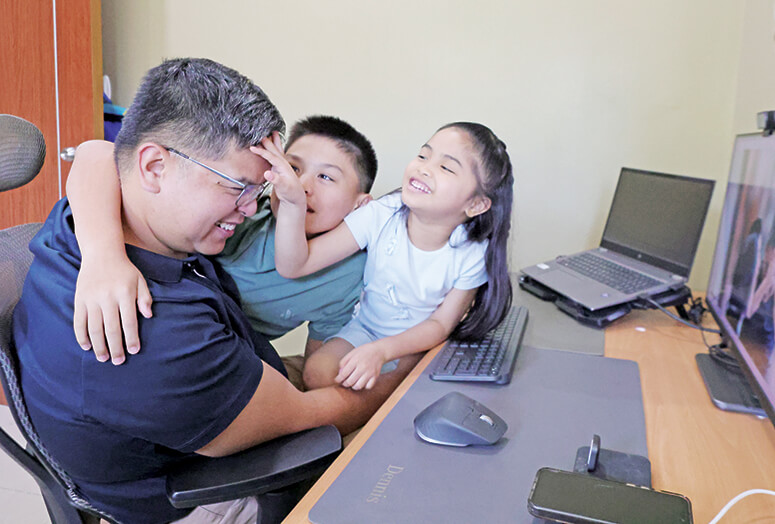
Somewhere along the way, he began to notice small, familiar signs: slight dandruff, occasional oiliness, especially after long days at work.
“It wasn’t constant,” he says. “But it would show up from time to time.”
In professional settings, that awareness becomes more pronounced. Meetings, presentations, conversations with colleagues — moments where being put together matters.
“I wouldn’t say I’m overly self-conscious,” he shares, “but you do become more aware of it.”
From awareness to setting an example
For Dennis, the shift didn’t come from discomfort alone, but from perspective. Returning to the office more regularly—and seeing his son begin to experience similar concerns—made it more personal.
“As a dad, you realize it’s important to set a good example,” he says.

That meant approaching scalp care not as something to ignore, but as part of a routine. Simple, consistent, and intentional—using products like Dove Derma Scalp as part of everyday care.
It’s a small step, but one that carries through the day.
Because whether in a boardroom presentation, a workout, or dinner at home, confidence often comes from the same place:
Knowing you’ve taken care of yourself, and showing up ready for the people who matter.
“As a dad, you realize it’s important to set a good example, even in how you take care of yourself.”
Rona Amparo: A field reporter facing long hours, bright lights, and on-camera visibility
For Rona Amparo, every day begins with information.
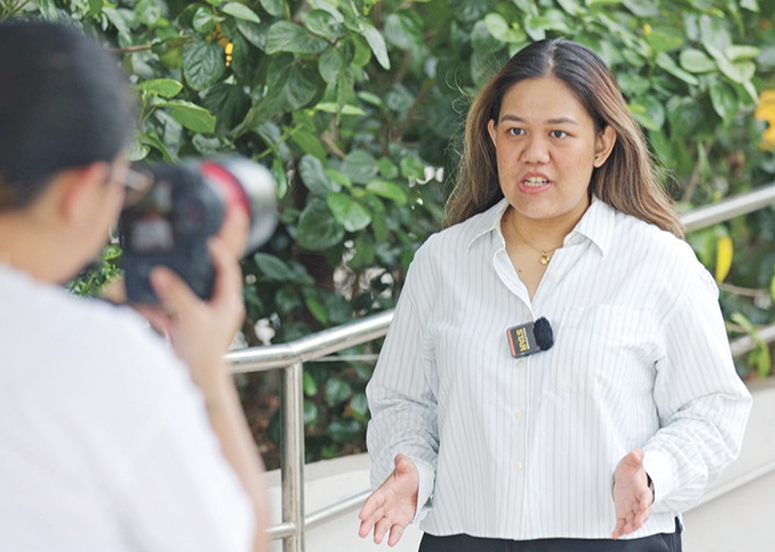
A broadcast reporter, her mornings start with the news—watching, scanning, preparing—before stepping into a fast-paced day of sourcing stories, verifying details, and delivering them with clarity and conviction.
It is work that demands focus, presence, and credibility.
But behind the camera, there was a time when something as small as dandruff could quietly disrupt that.
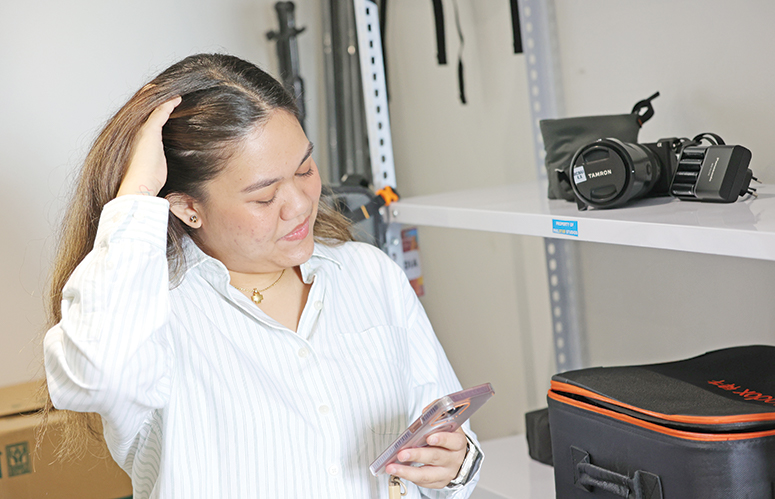
Growing up with an oily scalp, Rona was already familiar with the struggle. Over time, it became something she learned to work around: avoiding dark clothing, managing what she could. But when stress-induced hair fall entered the picture, the impact became harder to ignore.
“Bad hair day isn’t an exaggeration,” she shares. “It can feel like a bad day overall.”
That feeling becomes even more pronounced on the field.
During one coverage, dressed in black, she found herself constantly checking her shoulders, over-combing her hair, trying to stay composed while feeling anything but. “By the end of the night, my confidence was shot,” she recalls.
In a profession where being on camera is part of the job, those moments carry weight.
From distraction to being fully present
The turning point came when she began doing more on-camera standups.
“It made me realize how much my hair is part of my professional presence,” she says.
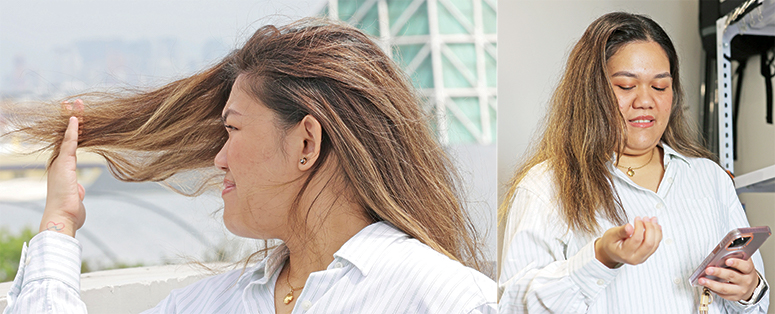
From then on, scalp care became intentional—not just for appearance, but for peace of mind. With a routine that includes Dove Derma Scalp, she began addressing the concern at its source.
The shift was immediate in ways that mattered.
Now, instead of dividing her attention between the story and her appearance, she shows up fully focused—on the message, the audience, and the work.
Because for Rona, confidence isn’t just personal.
It’s part of how she shows up—and how she’s seen.
“Bad hair day isn’t an exaggeration. It can feel like a bad day overall.”
Fai Tabusalla: A wellness professional balancing movement, stress, and daily exposure
For someone whose life revolves around health, Fai Tabusalla is used to paying attention—to movement, nutrition, recovery, and the body’s signals.

As managing partner and health scientist of a wellness center, his days are spent guiding others toward better habits. But for a time, there was one signal he found harder to face himself.
It started subtly: dryness, then itchiness, especially after workouts or long days on his feet. Over time, it became more persistent. There were moments he would step into the restroom just to check his scalp, unsure of what he might see.
“You start to wonder what people might think,” he shares. “Like maybe they’ll assume it’s poor hygiene.”
That quiet awareness—the kind that lingers in between conversations or while meeting people—became familiar.
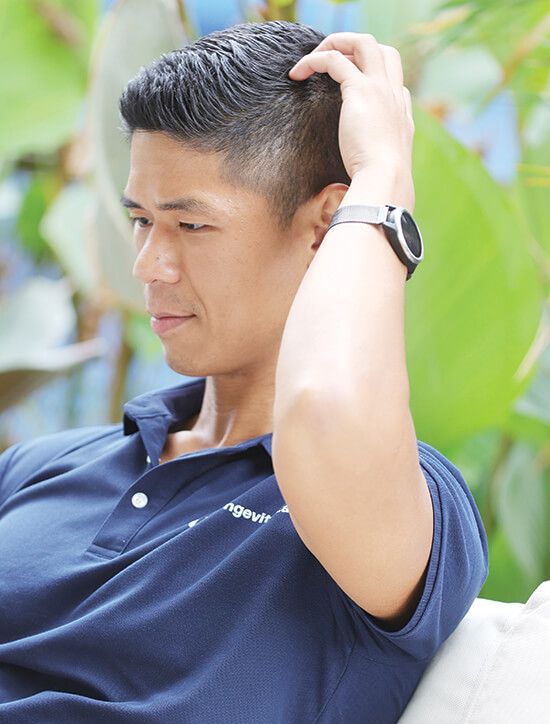
For Fai, whose work involves constant interaction, that mattered.
From self-conscious to self-aware
But the turning point came when discomfort became impossible to ignore. The itchiness grew more frequent, sometimes even painful. What once felt like something to manage quietly became something that needed attention.
“I told myself, enough is enough,” he says.

That shift reframed everything.
Instead of seeing scalp concerns as something to hide, he began to see them the way he sees the rest of the body—as signals.
Influenced by stress, environment, and the products we use. Not a flaw, but something that can be understood and addressed.
With a more intentional routine, including using Dove Derma Scalp, the difference wasn’t just physical. The constant distraction faded. The need to check, to worry, to overthink—gone.
Now, whether he’s speaking to clients, engaging with his team, or simply going through the day, there’s more ease in how he shows up.
Because sometimes, taking care of yourself starts with letting go of what you thought you had to hide.
“People might assume it’s poor hygiene—but scalp concerns aren’t always about that.”
Zoe Lucman-Mambuay: A leader navigating climate shifts, busy days, and public-facing roles
For Zoe Lucman-Mambuay, each day begins with intention.
From early mornings spent with family to a full schedule of meetings, client engagements, and speaking opportunities, her days are defined by connection—both at work and at home. In between, there are quiet moments: a drive to the office, a conversation over dinner, a pause to reflect.
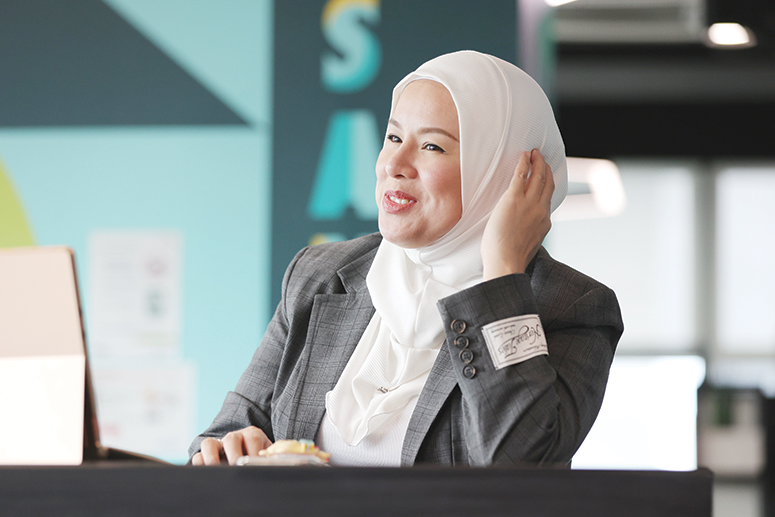
It’s a rhythm she values.
But like many, there are small disruptions that can quietly affect that sense of ease.
For Zoe, it often begins with changes—weather shifts, stress, even travel. “Whenever my body is adjusting to something, my scalp seems to file the first complaint,” she shares.
In a tropical climate, even a short walk can trigger discomfort. A bit of heat, a touch of perspiration—and suddenly, there’s that familiar itch.
During flare-ups, it becomes something to manage quietly. Choosing lighter-colored outfits. Being mindful of small movements. Staying composed, even when distracted.
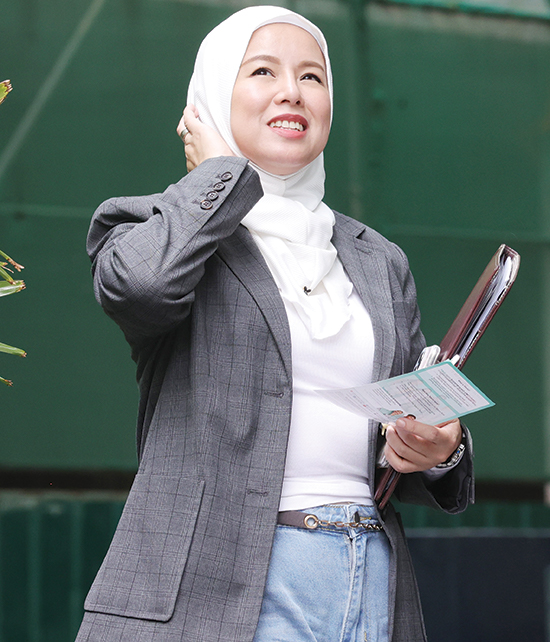
When awareness becomes intention
As her roles became more front-facing—speaking engagements, leadership meetings, public appearances—those small moments began to matter more.
“Confidence becomes part of your professional toolkit,” she says.
That realization shifted her approach.
Instead of working around the discomfort, she became more proactive—treating scalp care as part of her preparation. Small adjustments, consistent habits, and using products like Dove Derma Scalp became part of her routine.

The result is subtle, but significant.
Now, her focus stays where it belongs: on the conversation, the work, the people in front of her.
Because for Zoe, confidence is not just about how you appear.
It’s about moving through your day with ease: without distraction, without hesitation, and without having to think twice.
“Confidence thrives when you can focus on the moment, not the discomfort.”
Dr. Elli Reyes: A physician managing stress, long hours, and the pressures of visibility
For Dr. Elli Reyes, care has always been part of the job.
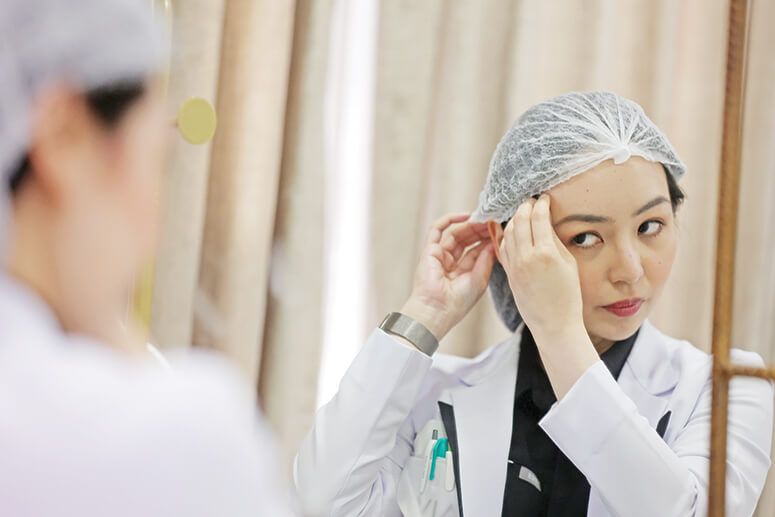
As an aesthetic physician, her days are spent helping patients look and feel their best—long clinic hours, detailed procedures, and constant interaction. It’s a role that naturally comes with a certain expectation: to be composed, put together, and confident.
But a few years ago, she began to notice something shifting.
It wasn’t dramatic at first, just more strands of hair than usual, subtle thinning that became more apparent over time.
Then came the comments from colleagues, and later, a photo taken during training that showed the top of her scalp in a way she hadn’t seen before.
“I didn’t recognize myself,” she recalls. “I even refused to believe it was me.”

That moment stayed with her.
In an industry where appearance is closely tied to credibility, the experience brought a quiet sense of self-consciousness. Not just in big moments, but in everyday interactions: with patients, colleagues, even in passing conversations.
Stress, long hours, and lack of sleep began to show in ways she couldn’t ignore.
From awareness to action
Instead of dismissing it, she chose to understand it.
She began making small but deliberate changes, such as adjusting her routine, paying closer attention to her habits, and treating scalp care with the same intention she gives to skincare. Products like Dove Derma Scalp became part of that process, supporting a healthier scalp over time.

More than anything, it shifted her mindset.
“I’ve become more intentional,” she says.
Today, scalp care is no longer an afterthought. It’s part of a larger commitment to overall well-being, something that requires consistency, not quick fixes.
Because for Dr. Elli, confidence isn’t about perfection.
It’s about showing up, knowing you’ve taken care of yourself.
Honestly, and without hiding.
“I didn’t recognize myself. I even refused to believe it was my scalp.”
Yani Lopez: A theater performer wearing wigs, styling daily, and performing under stage lights
For Yani Lopez, life moves to a different rhythm.
As a full-time theater actor, her days revolve around rehearsals, show calls, and long hours backstage; warming up, getting into costume, and stepping into character under bright stage lights. Between performances, there’s laughter in the dressing room, shared makeup, and the quiet energy of a cast preparing to tell a story together.

But behind the scenes, there are also the less glamorous parts.
Wigs worn for over an hour. Layers of hairspray. Sweat from quick changes and stage lights. And outside the theater, daily commutes under the heat—helmets, traffic, and humidity all adding up.
“After removing my wig, parang bagong ligo sa pawis,” she laughs.
It is in those moments—after a show, during a commute, or on especially busy days—that she notices it most. Oiliness, buildup, the urge to keep fixing her hair without realizing it.
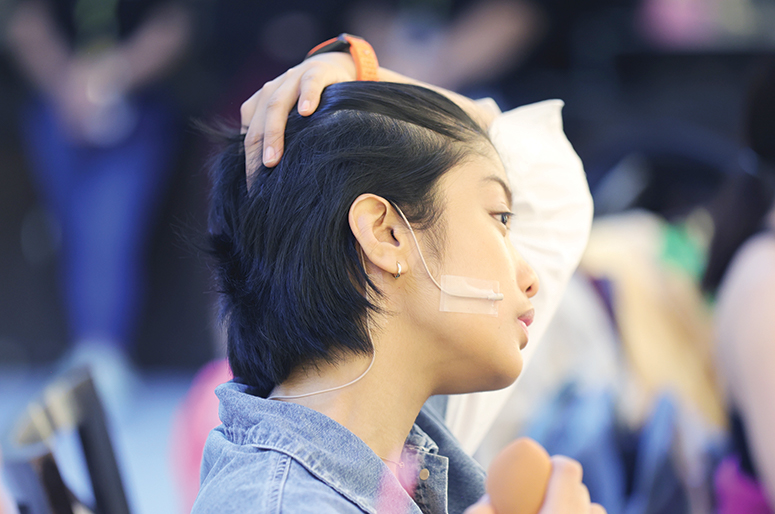
Sometimes, it brings a quiet kind of self-consciousness.
“Lalo na when my hair gets extra oily, you just want to look presentable,” she shares.
For a performer who meets audiences after every show, that matters.
From styling to real care
It wasn’t until she started doing theater more seriously that her perspective changed.
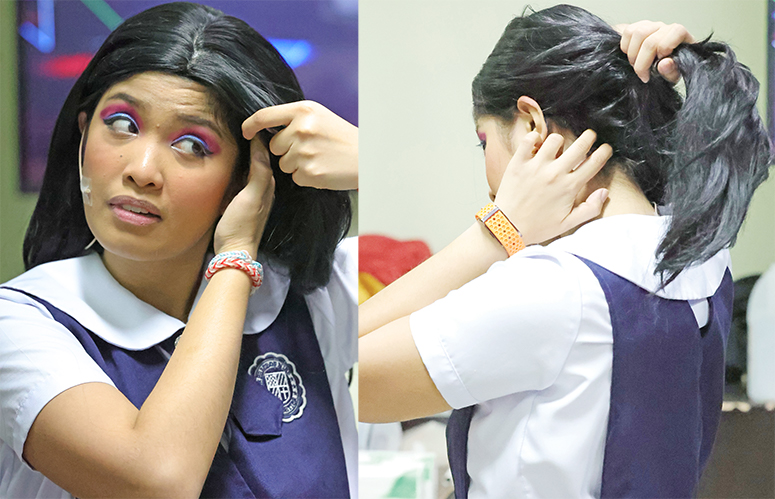
What used to be just about styling became something more sustainable; something that needed care beyond the surface. “Hindi lang pala siya about how it looks,” she says. “It has to stay healthy from the roots.”
With a more intentional routine, including using Dove Derma Scalp, she began focusing on caring for her scalp, not just managing how her hair appeared.
The difference is something she feels every day.
Now, whether she’s onstage, meeting audiences, or simply stepping out, there’s less worry, and more freedom to just be present.
Because for Yani, confidence isn’t just part of the performance.
It’s something you carry with you, long after the curtain falls.
“Hindi lang pala siya about how it looks—it has to stay healthy from the roots.”
Rafi Silerio: A motorcycle commuter managing hair fall from heat, helmets, and high-pressure days
For Rafi Silerio, no two days look the same.
As co-founder of a video production agency, his schedule shifts between long shoot days under the sun and late nights in the editing room. Add triathlon training to the mix, and most days are physically and mentally demanding.

It was during one of those stretches—back-to-back shoots, tight deadlines—that he began to notice the signs.
More strands of hair on the floor. More in the shower drain. Then, one moment that stayed with him: reviewing footage from a shoot and seeing his scalp more visible under bright lights.
“Doon ako kinabahan,” he admits. “Parang numinipis na talaga.”
From there, the awareness followed him into everyday moments: styling his hair before meetings, catching loose strands, feeling his hair fall flat after long, sweaty days on set.

As someone who regularly faces clients and leads a team, it wasn’t something he could ignore.
“It’s a silent struggle,” he says. “As a guy, parang expected na normal—but it actually hits your confidence.”
From managing to taking action
At first, it was about working around it—styling, adjusting, pushing through.
But eventually, that approach stopped making sense.
“I realized, if I want to keep my hair, I need to treat my scalp with the same care I give my business,” he says.
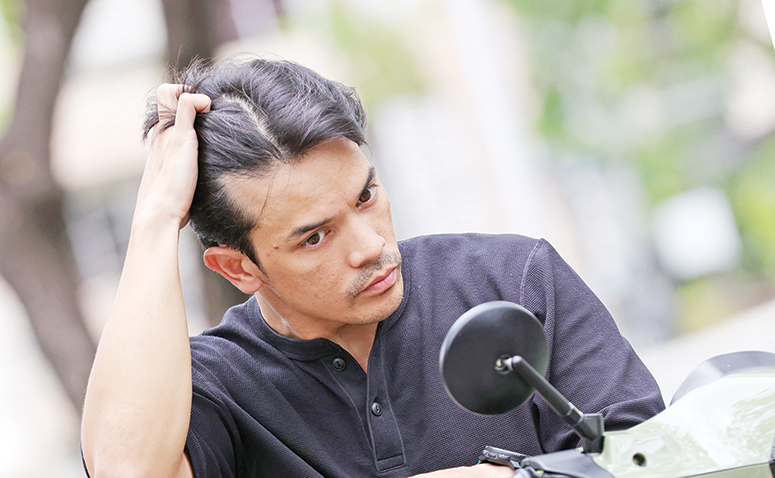
That meant stepping back and addressing the root of the issue: stress, environment, and routine. With a more intentional approach, including using Dove Derma Scalp, care became part of his daily reset.
The shift brought something unexpected: peace of mind.
Now, instead of worrying about what he might see in the mirror, he focuses on the work, the people, and the moments in between.
Because for Rafi, taking control doesn’t just apply to running a business.
It starts with taking care of yourself—right from the scalp.
“As a guy, parang expected na normal lang, but it actually hits your confidence.”
Lyka Tan: A daily commuter navigating helmets, traffic, and a fast-paced work life
By 6 a.m., Lyka Tan is already moving: morning routine, workout, breakfast, then out the door by 8:30.
Most days, that means taking a mototaxi through traffic, heat, and dust on her way to a fast-paced role handling sales and marketing for a fintech startup.

It’s a routine she thrives in. But it also comes with small, persistent challenges.
“I started noticing it in the shower,” she says, recalling the first signs of hair fall. Trying to manage it meant skipping shampoo some days, but that came with its own trade-off: oiliness.
Add long work hours, stress, and daily commuting, and her scalp would often feel itchy and uncomfortable by day’s end.
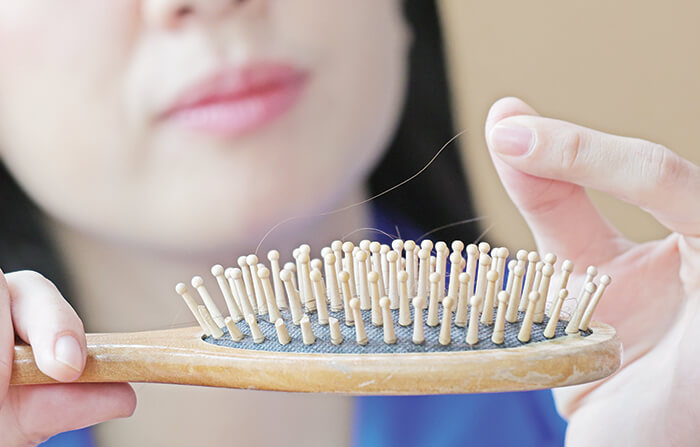
For someone who meets clients regularly and creates content on the side, those moments didn’t go unnoticed.
“Before facing people, I always make sure my hair looks okay,” she shares. “It affects how confident I feel.”
Like many, Lyka learned to quietly adjust, By checking, fixing, staying aware.

From managing the day to managing her confidence
But over time, her mindset shifted. What once felt like something to manage or conceal became something to understand.
She became more intentional with her routine, paying attention not just to how her hair looked, but how her scalp felt. Using products like Dove Derma Scalp, she began focusing on care at the root of it all.
That shift changed more than her routine. It changed how she showed up.
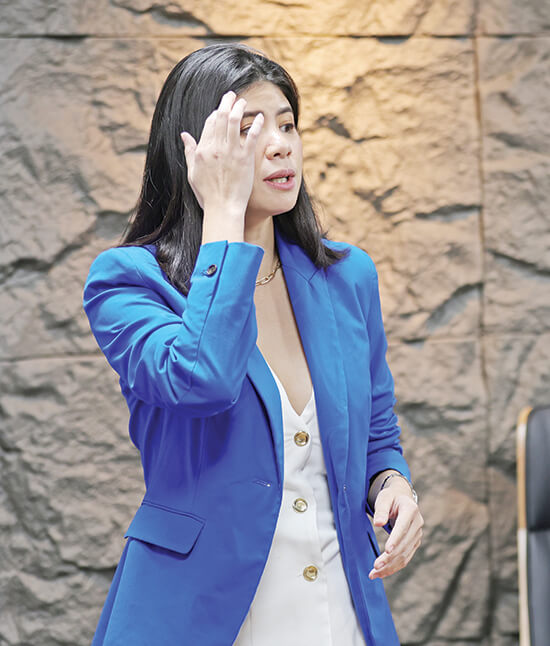
Now, whether she’s leading a meeting, creating content, or simply stepping out for the day, there’s less second-guessing, and more ease.
Because for Lyka, confidence isn’t just about looking put together.
It’s about knowing you’ve taken care of what matters, starting from the scalp.
“Before facing people, I always make sure my hair looks okay. It affects how confident I feel.”
Alessandra Castañeda: A triathlete balancing sweat, headgear, and long shoot days
For Alessandra Castañeda, most days begin before sunrise—with a swim, a ride, or a run.

As a triathlete and the head of her own video production agency, her schedule rarely slows down. From training sessions to 12-hour shoot days under the sun, she moves constantly, switching from athlete to creative producer, often within the same day.
It was in the middle of that pace that she first noticed something was off.
During a shoot, dressed in a black production shirt, she caught sight of flakes on her shoulders while checking the monitor. “Doon ko na-realize my scalp is actually struggling,” she recalls.
Long hours in the heat, sweat trapped under helmets or swim caps, and the demands of her work began to show—not just physically, but mentally. The oiliness, the itch, the awareness would creep in during moments that required focus.
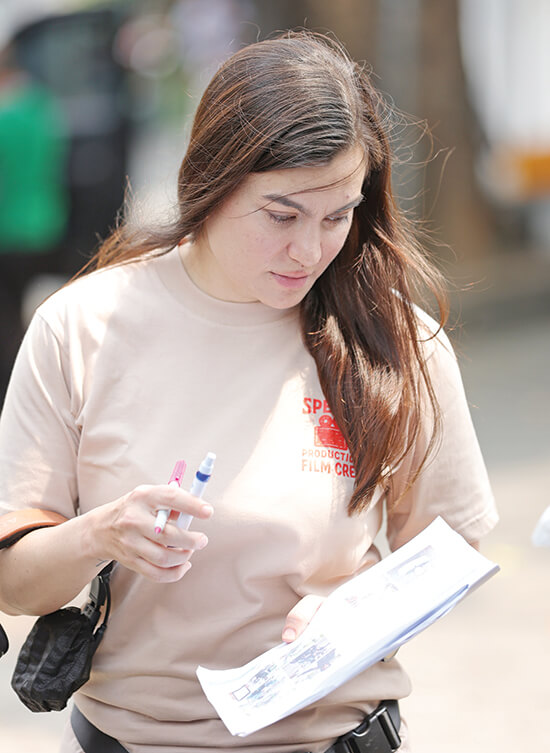
“You end up subconsciously checking your hair or your shoulders,” she says. “Ang hirap mag-feel like a ‘boss’ when you’re worried about that.”
From pushing through to taking control
Like many, she tried to manage it quietly, tying her hair up, pushing through long days, staying focused on the work.
But eventually, her perspective shifted.
“I invest in my gear, in my equipment,” she says. “So why am I neglecting my own scalp?”
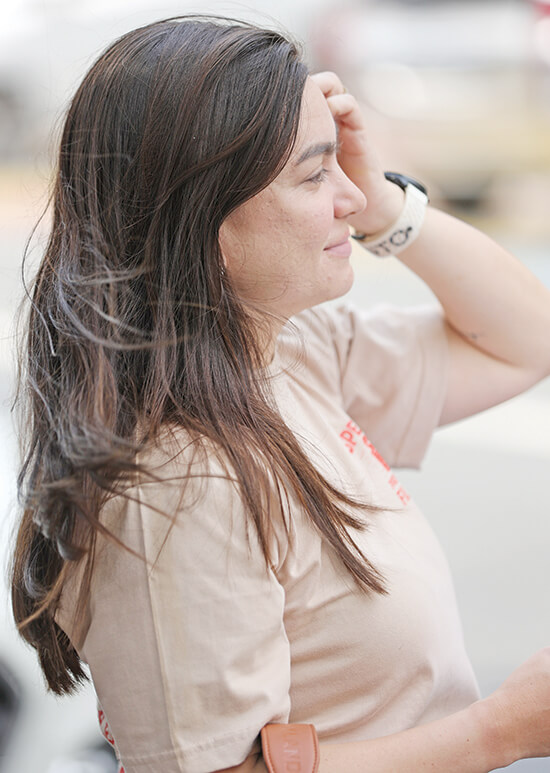
Instead of treating it as something to hide, she began treating it as essential care, finding a routine that addressed the root of the problem, including using Dove Derma Scalp as part of her regimen.
The difference was immediate, but more importantly, it was freeing.
Now, whether she’s leading a shoot, pitching to clients, or training for her next race, she moves with less distraction, and more presence.
Because for Alessandra, confidence isn’t just about keeping up.
It’s about staying in control—of both the work and how she feels in her own skin.
“I invest in my gear, in my equipment. So why am I neglecting my own scalp?”
Flakes, hair fall, dryness: Shame stops where real care starts
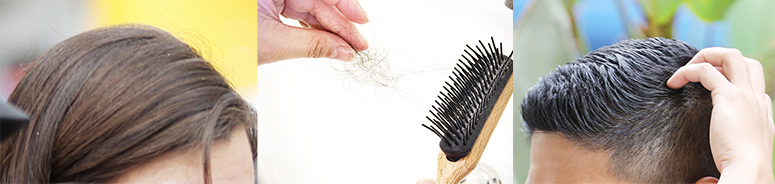
People from all walks of life experience scalp concerns, but many still carry a sense of hiya around it. It’s time to change your perspective from scalp shame to scalp care
For many Filipinos, scalp concerns are not new, yet somehow they remain taboo, often seen as shameful or embarrassing.
Dandruff, oiliness, and hair fall have long been part of everyday life, shaped by heat, humidity, stress, and daily routines. Yet for years, these experiences have been quietly framed by hiya.
Not always spoken, but deeply felt, hiya turns something common into something personal, shaping how people see their scalp and themselves.
When we change our perspective
A growing shift in personal care is challenging the idea that visible concerns must be hidden.
Dermatologists point out that the scalp is an extension of the skin, affected by environment, stress, and daily exposure. In this context, dandruff or excess oil is not unusual, nor something to be ashamed of.
It is a signal that something needs attention.
Seen this way, scalp concerns are no longer flaws to conceal, but conditions to understand, bringing relief from the pressure to hide.
From shame to care
This shift reflects a broader change in how people define beauty and self-care.
Care is taking precedence over concealment. The focus is not on masking what is visible, but on supporting what is real.
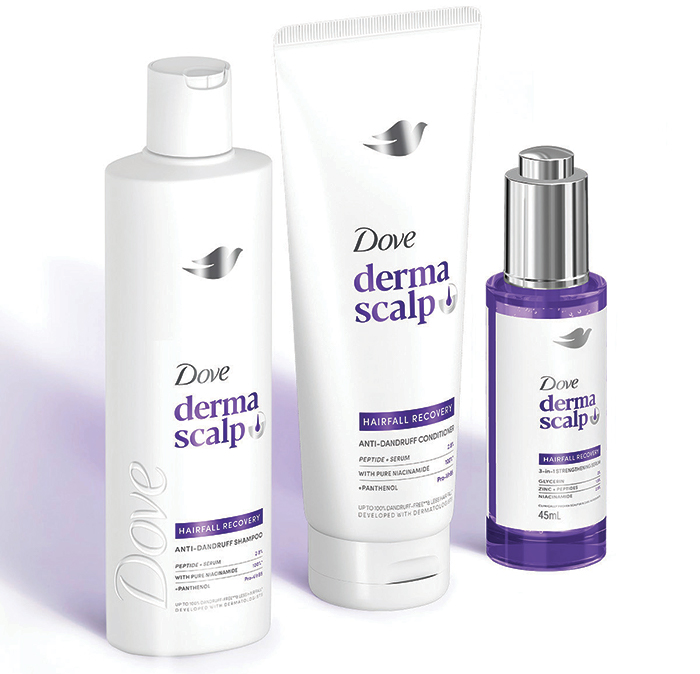
This is where brands like Dove Derma Scalp enter the conversation—reframing how people think about scalp health.
The message is clear: dandruff is human, normal, and something that can be cared for.
More confident everyday
When people begin to see scalp concerns differently, the impact goes beyond appearance.
It can mean moving through the day with less self-consciousness and more ease.
And perhaps that is where confidence begins: not in perfection, but in caring for oneself without shame.
As more Filipinos embrace this perspective, the conversation around scalp health is becoming more open and real.
No longer something to hide, but something to understand.
No longer a source of hiya, but a starting point for care.
* * *
Editor’s Note: This article was provided by Dove.

WATCH: Save for retirement or enjoy life now? (Generations Ep. 21)
September 16, 2026
WATCH: Is Philippine cinema still thriving? (Generations Ep. 19)
September 2, 2026