

7 things about Manila you learn to love after leaving
After my first year studying in Sydney, I could not wait to go home for Christmas break. Two years later, that same feeling has still not gone away.
Growing up, I had a very strong desire to leave Manila. I spent hours daydreaming about what my life might look like without the traffic, the huge crowds, the noise, the air pollution, and the heat that makes it difficult to function unless you walked around with one of those hand-held fans that you could hear before you could feel.
I thought moving abroad would confirm everything I disliked about the city.
Instead, I found myself missing it.
Maybe you relate to my situation in some way, or simply need another reminder of what’s there to love about Manila. Either way, here are seven things about Manila I only learned to appreciate once I was far enough away to miss them.
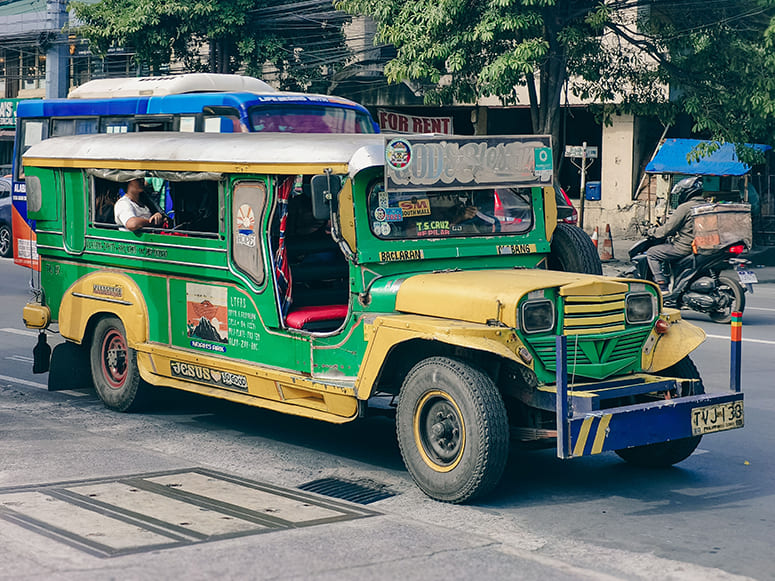
1. The noise that never lets you feel alone. Jeepney horns, karaoke nights, barking dogs, street vendors, seemingly endless construction, and several people talking over one another can be overwhelming. There’s nothing particularly charming about hearing someone sing My Way by Frank Sinatra at full volume when you are trying to finish an assignment or take a nap.
CONTINUE READING BELOW

Yet when you leave, silence can begin to feel almost unnatural.
Manila’s noise is proof that life is constantly happening around you. Most of the time, there’s someone who is awake, selling something, celebrating, or having a conversation—all loud enough for the entire street to hear.
It is the kind of noise you find yourself missing when you move somewhere with quieter roads and a grumpy downstairs neighbor who might file a complaint because you are “walking too loudly.”
Manila may rarely give you peace and quiet, but it also rarely lets you feel alone.
2. The “high-in-cholesterol-food.” At every checkup, your doctor constantly reminds you to be careful about cleanliness, sodium, cholesterol and sugar. Yet some of Manila’s most memorable food comes from carts, markets, and roadside stalls that are often deep-fried, generously seasoned, or coated in enough sugar to raise every health warning.
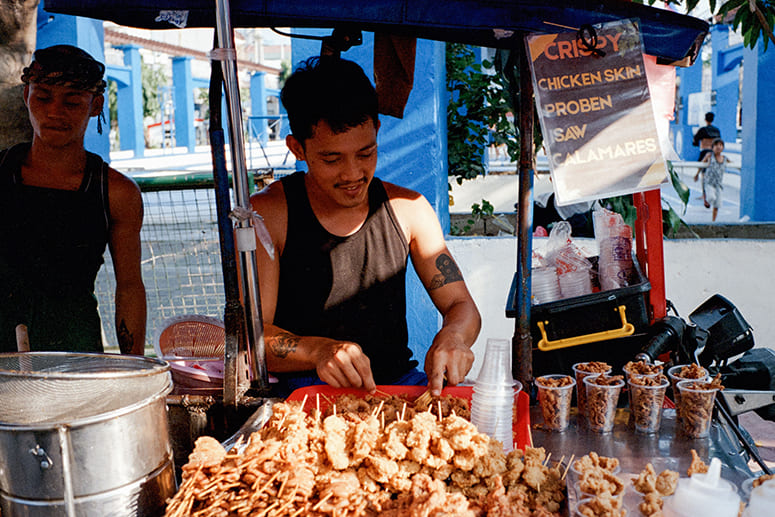
A fan favorite among my friends and me is the taho sold outside, usually near schools or churches. The vendors seem to remember exactly how you like it: more arnibal, less sago, or an extra scoop of soft tofu if they are feeling generous. There’s something comforting about hearing the familiar call of “Taho!” and rushing outside before they run out of stock for the day.
Then there are fish balls dipped in sweet or spicy sauce, kwek-kwek fresh from the fryer, banana cue still warm on the stick, and barbecue eaten straight from a paper plate. But street food is rarely just about satisfying hunger. It is shared after school, during work breaks, often accompanied by stories, laughter, and the familiar comfort of eating something everyone grew up with. For a few moments, concerns about high blood sugar or fatty liver are replaced by the simple joy of feeling full, connected, and at home.
3. Everyone can do everything in a mall. It is fair to criticize Manila for building so much of its social life around consumerism. We can meet friends, exercise, attend church, eat, work, and escape the heat without ever leaving the mall.
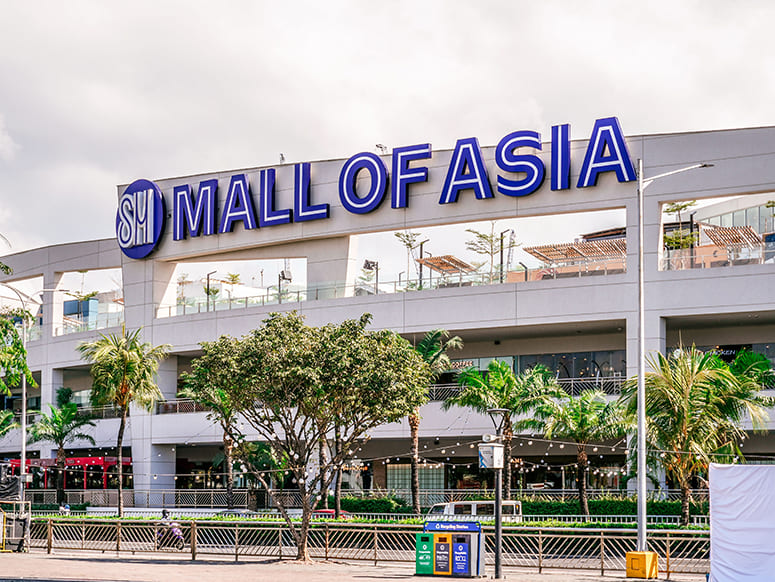
Still, malls have become some of the city’s most accessible gathering places: air-conditioned refuges where people from different backgrounds can spend an afternoon under the same roof. On any given day, tourists shop beside local families, office workers eat next to students, and friends from opposite ends of the city meet somewhere in the middle.
They may be commercial spaces, but in Manila, they also function as public squares—places where people gather even when they have no real intention of buying anything.
4. A celebration for almost everything. Filipinos know how to throw a party. Birthdays, reunions, baptisms, graduations, despedidas, house blessings and countless other occasions all become reasons to gather. There is a celebration for almost everything.
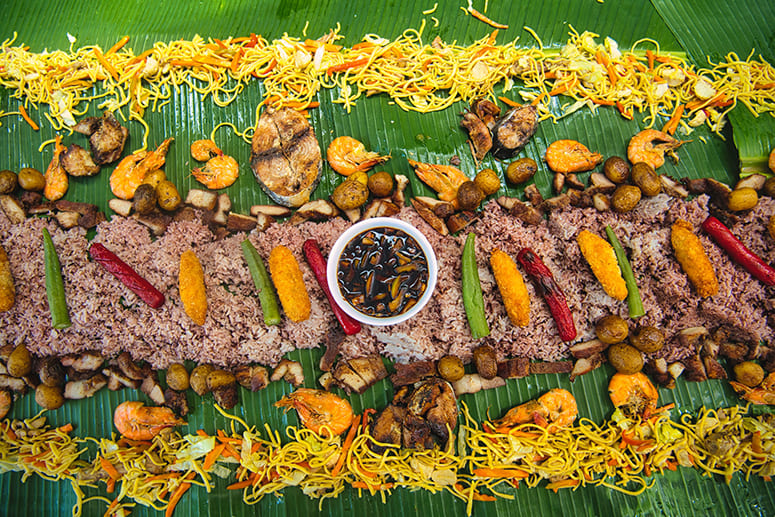
Sometimes, it is as simple as sharing a meal laid out in banana leaves, boodle fight-style. Other times, it means renting a karaoke machine, setting up rows of plastic chairs, and welcoming a dozen or more extra guests you do not recognize—most of whom insist they held you when you were a baby. If the occasion is important enough, there may even be a host, a program, and games you sometimes have to force people to join.
A Filipino celebration can be loud, crowded, and exhausting, but they also make ordinary milestones feel communal. Nevertheless, back home, your achievements rarely feel like yours alone. Everyone comes to celebrate them with you.
5. Everyone is in your business. In Manila, you can barely make it through the front door before someone comments on your appearance. When I first came home from Sydney, the first words were not “Welcome back” or “How was your flight?” but a blunt observation that I had gotten darker. Other relatives may point out that you have gained weight, lost weight, or changed your hair before you have even had the chance to say hello. Meanwhile, neighbors somehow already know you are home and may stop by for a quick kamusta and occasionally offer an opinion of their own.

It can feel intrusive, even suffocating. But I realized it also means people notice when you disappear. They ask where you have been, whether you have eaten, and sometimes why you seem quieter than usual.
Sometimes, all that attention feels like too much. Sometimes, it’s a reminder that people care.
6. The other side of “Filipino time.” Lateness can be frustrating—and plainly disrespectful—especially when schedules are treated more like suggestions than commitments. But beneath our relaxed relationship with time is often a culture that values people and relationships over rigid efficiency. Lunch stretches into dinner because no one is quite ready to leave, and a simple goodbye can turn into another half hour of conversation by the door.
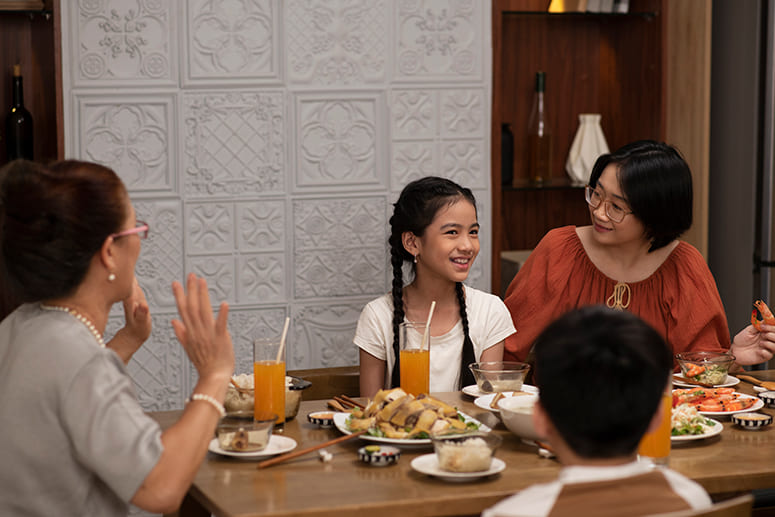
Maybe we are not always late because we have nowhere important to be. Sometimes, it is because we have never learned how to pull ourselves away from people we love. We want to enjoy every single moment with them, and perhaps that says something about how much happiness we find in one another.
7. The family obligations that make leaving complicated. Home is where family is.
While family can be a source of pressure, guilt, dependence, and unsolicited advice, it is also where there is always food waiting, someone offering you a ride, and a place you can return to without needing an invitation. It is knowing that someone will always ask you to message them when you arrive, having a relative insist that you take food home, even after you’ve said no several times, and having people who might frustrate you but would still be there the moment you need them.
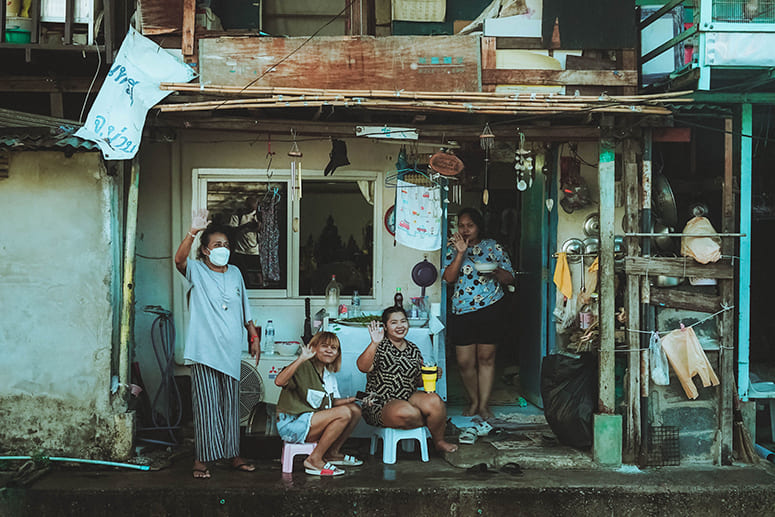
Maybe that is what Manila ultimately gives you: the comfort of knowing there is always something—and someone—waiting when you come back.
The city does not need to be perfect before it becomes part of you. It works its way into your routines, your appetite, your sense of humor, and your understanding of home.
No matter how far away you go, a part of Manila follows you.
And eventually, it begins calling you back.

WATCH: Save for retirement or enjoy life now? (Generations Ep. 21)
September 16, 2026