

Masks urged anew in Metro Manila amid unhealthy air quality from Navotas landfill fire
Several local government units urged their residents to wear face masks again as air quality in some parts of NCR worsens due to the fire in the Navotas Sanitary Landfill.
Air quality in Metro Manila has been affected since the fire broke out in the landfill, located in Barangay Tanza, in the evening of April 10.
Unhealthy smog
Based on the Environmental Management Bureau – NCR, cities including Caloocan, Malabon, Valenzuela, and Pasay are shrouded in unhealthy smog emanating from the landfill.
The Caloocan City DRRMO reported a "moderate" air quality index. "Bagama't katanggap-tanggap para sa karamihan, pinapayuhan ang mga sensitibong grupo, tulad ng may hika, matatanda, at mga bata na mag-ingat," it said on Facebook.
The City Environment and Natural Resources Office – Valenzuela likewise warned residents, especially in Barangays Marulas–OLFU and Canumay West, that air quality in the city is at the "red" level, meaning it is dangerous for the general population, especially for sensitive groups.
In particular, EMB–NCR reported that particulate matter in Valenzuela reached 129 at 9 a.m. on April 27, which dictates that the air quality is "unhealthy for sensitive groups," including newborns, people with comorbidities, and senior citizens.
CONTINUE READING BELOW

According to DENR's EMB—Region 12, particulate matter refers to "any type of solid particles in the air in the form of smoke, dust, and vapors." Apart from the vapors produced by the Navotas Sanitary Landfill, particulate matter can also come from vehicle emissions, burning fossil fuels, road construction, use of woodstoves, the mixing and application of fertilizers and pesticides, and various industrial processes.
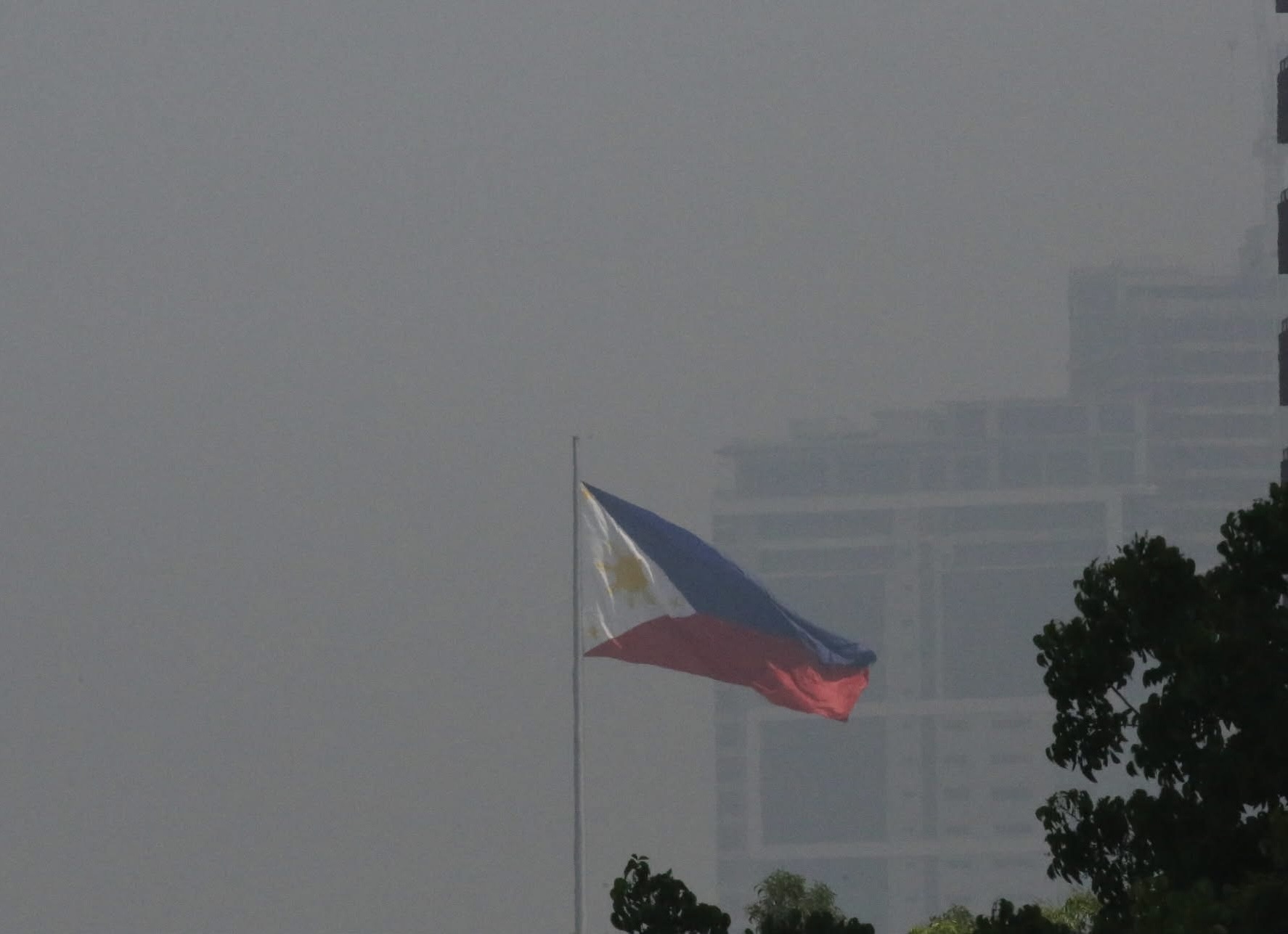
Per the Manila City Disaster Risk Reduction and Management Department, air quality sensors in the city found "very unhealthy" air pollution levels.
The Pasay City Disaster Risk Reduction and Management Office, on April 26, advised residents to take precautionary measures "due to the ongoing poor air quality caused by the smoke coming from the Navotas Landfill Fire," as the group reported on Facebook.
The City Government of Malabon, meanwhile, said the city's air quality was "moderate," meaning it had an acceptable pollution level, but advised sensitive communities to be careful.
Although most parts of Makati showed "good" levels of air quality, Barangays Carmona and Pio del Pilar had levels found "unhealthy for sensitive groups," while Barangay San Isidro showed particulate matter at the "acutely unhealthy" level.
Health practices
DENR's EMB—Region 12 warned that particulate matter is microscopic. By simply inhaling them, they can lodge themselves deep in the lungs, which can eventually cause respiratory disease and lung damage.
To avoid negative health effects brought about by a concentrated amount of particulate matter, pulmonologist Jennifer San Luis told PhilSTAR L!fe it is best to use an N95 mask "because it can filter approximately 95% of particles."
Alternatively, you may use other tight-fitting masks, such as KF94. San Luis does not recommend surgical masks as these cannot filter fine particles. The loose fit of a surgical mask also allows toxic particles to enter from the sides.
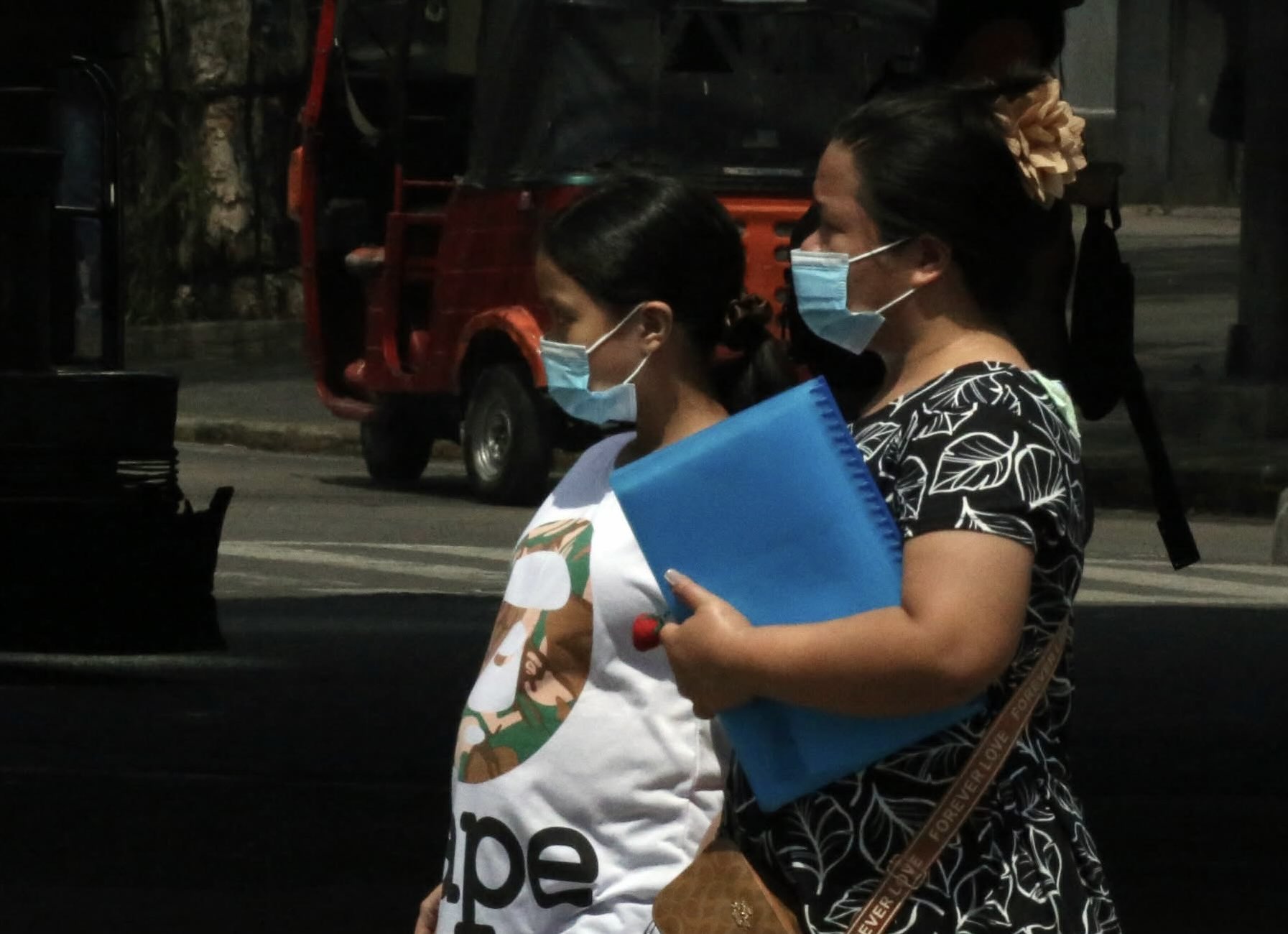
San Luis has additional tips to stay healthy amidst intense air pollution:
Avoid strenuous outdoor activities. Physically demanding movements require deeper breathing, causing you to inhale more particulate matter. Keep exercising indoors if you can. If outdoor physical activity is unavoidable, wear an N95 or KF94 mask over your nose and mouth.
Keep windows closed as long as there is haze. Maintain a cleaner air environment indoors by closing windows and doors leading outside. For ventilation, use fans.
Drink plenty of water. According to a study published in the National Library of Medicine, dehydration keeps the larynx, trachea, and main bronchi dry. The purpose of these organs is to clean and hydrate inhaled air. If these are dry, they will be unable to filter out inhaled contaminants, amplifying the risk of the individual catching chronic and acute airborne respiratory diseases. Hydration, then, is crucial, especially amidst intense air pollution.
See a doctor if you don't feel well. "Seek medical help if you experience shortness of breath, persistent cough or wheezing, chest pain or tightness, and dizziness, confusion, or fainting," San Luis told L!fe.

WATCH: How to experience Bangkok and Kanchanaburi in one trip
October 21, 2026
WATCH: LGBTQIA+ people with unlikely professions
June 28, 2026