

[OPINION] Duterte impeachment trial Day 9: Who is afraid of the elephant in the room?
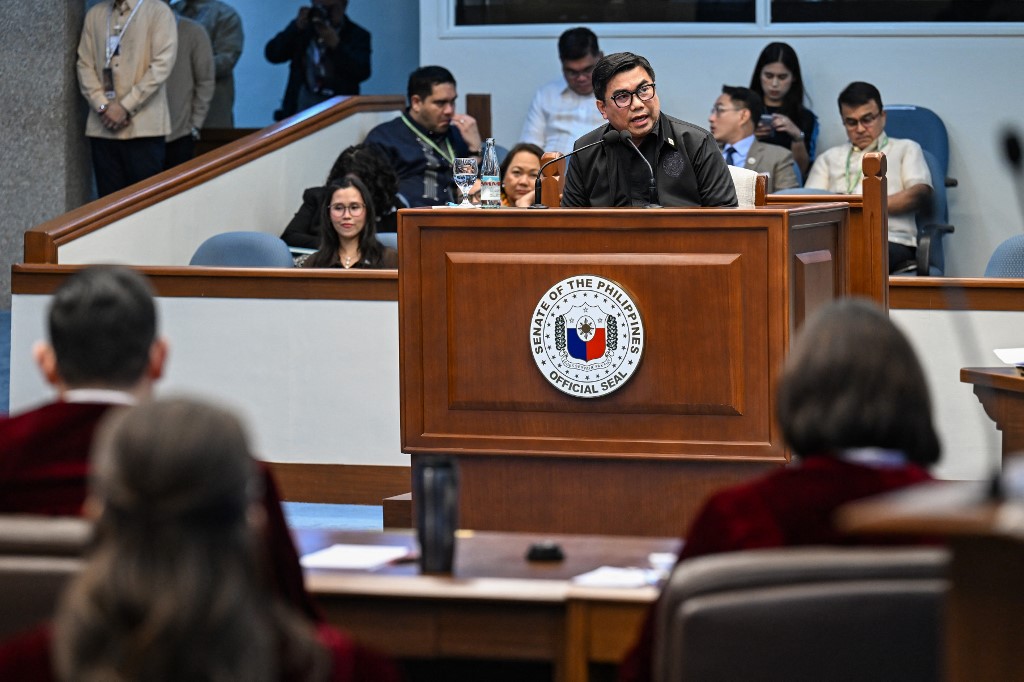
For the second day, NBI chief, Atty. Melvin Matibag, appeared on the witness stand and testified, on cross-examination, that the NBI has identified fewer than “20 individuals” as persons of interest who could provide information surrounding Vice President Sara Duterte's alleged threats to kill President Ferdinand "Bongbong" Marcos Jr.
Matibag said some of these people, in response to a question by senator-judge Risa Hontiveros, may be members of Duterte's security group or of the so-called Davao Death Squad, which is identified with her father's anti-drug war.
He named no one, except to say that the NBI had been talking to these people’s families and friends for further information.
If the NBI is lucky, either one of them, on further investigation, could be identified as the alleged “contracted” assassin.
If unlucky, the investigations may lead to nothing, he said in response to a question by Senate President Sherwin Gatchalian. The NBI would need ample time—say from three months to six months—to complete the investigation, he added.
CONTINUE READING BELOW

Looking back, Matibag had been saying, according to senator-judge Imee Marcos, that the NBI had identified “persons of interest” and that Duterte's alleged threats were against national security since April 2026, two months after his appointment as NBI chief, at a House Justice committee hearing.
Until the 9th hearing of the impeachment court, Marcos said that the NBI had not made any progress so far. Marcos stopped short of saying that Matibag could have been using this "persons of interest" narrative as a convenient excuse to justify the NBI investigation.
Either way, Marcos’ insinuation and Matibag’s "persons of interest" remain hypothetical, for now.
Plot, not just outburst
On the July 22 hearing, Matibag categorically stated anew that Duterte's alleged threats against the Marcoses constituted a “plot, not just an outburst” and a "threat against national security."
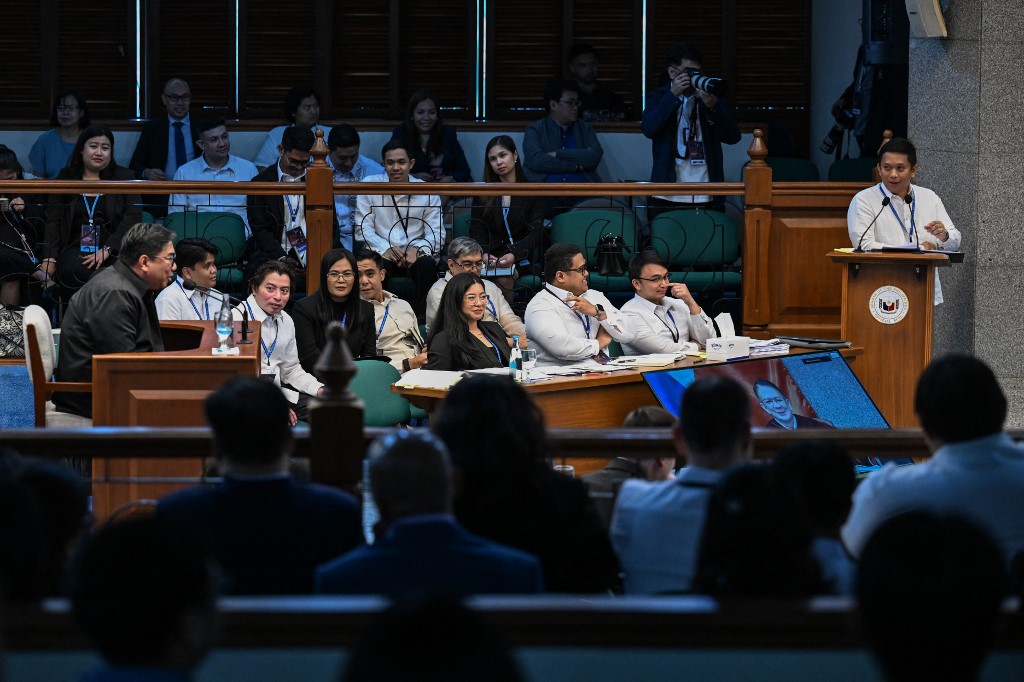
"Did the NBI coordinate with the Presidential Security Command and other leading security agencies?" asked senator-judge Loren Legarda, a military reserve officer and a graduate of the National Defense College.
Yes, said Matibag, but he noted that while he regularly coordinated with the PSC, he only submitted written NBI progress reports to the Office of the Executive Secretary. Still, the court would not have a copy of these reports.
Based on the NBI investigations, the alleged threats were established to be “serious, grave, and continuing,” when ranged against the standards set by the American justice system in evaluating threats. These were a pattern of violence, gravity and seriousness of the threat, identification of (Duterte) making the threats, the capacity to carry over the threats, and the motive (of Duterte) for making the threats.
Matibag discussed these standards and strongly argued that Duterte's alleged threats fully satisfied Items No. 1 to No. 4. But he could not fully explain Item No. 5—the motive. That fell short of public expectation.
Like NBI regional director Jeremy Lotoc, Matibag said the NBI could not investigate Duterte's claims that she herself had received threats on her life and her family from the Marcoses, because she refused to cooperate with the NBI.
“We could not read into her mind,” he said.
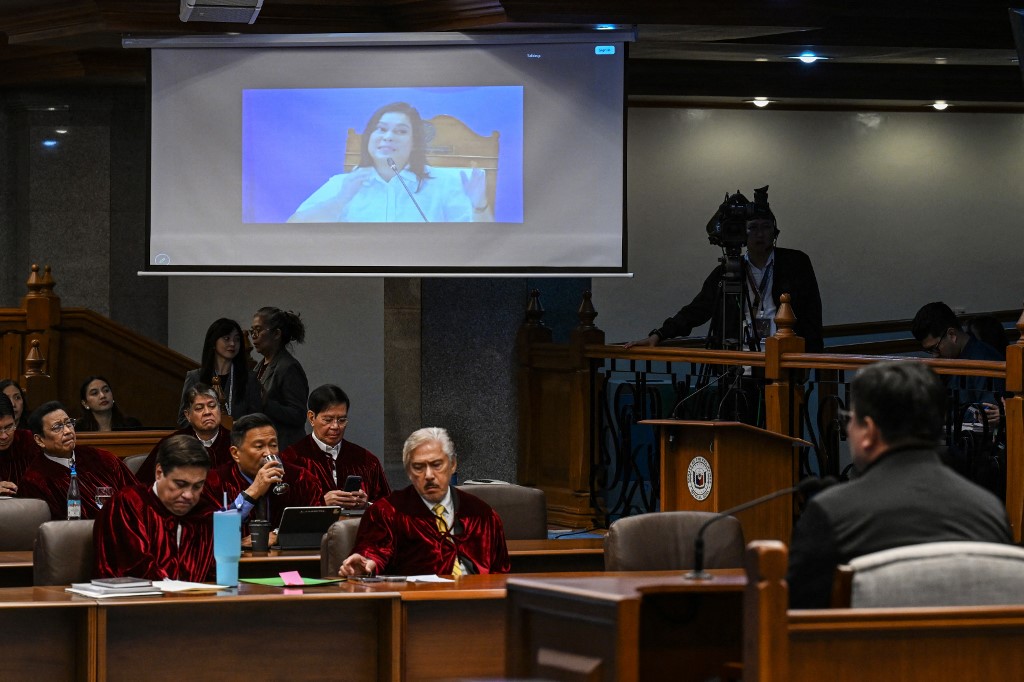
Like Lotoc, Matibag said Duterte had the motive, supposedly because her relationship with the Marcoses had turned sour. Nothing more, nothing less.
That motive has become the elephant in the room.
More than a year after the House first impeached Duterte, and nine trial days since the impeachment court began hearing Article IV, the public has yet to fully understand what went wrong with the Marcoses and the Dutertes, who bonded for the May 2022 elections under a party ironically called "UniTeam."
Why did they part ways, and what led to such a bitter split?
The country has had a long history of feuding president and vice president, but their conflict did not end this badly. Why politics reared its ugly head for Marcos, Duterte, nobody knows.
In that video recording presented by the prosecution as evidence, Duterte issued the threats with berserk fury—she was “fuming mad,” according to Lotoc.
Wasn’t the NBI convinced that Duterte was under siege?
Revenge is unlawful
On cross-examination, senator-judge Kiko Pangilinan asked the NBI chief a hypothetical question: Is it justified if the President would exact revenge on someone who had threatened his life?
“Revenge is unlawful,” said Matibag.
With exceptions? “May self-defense na valid.”
But Pangilinan stopped short of saying Duterte's alleged threats were not justified.
Indeed, not when one is in power. Nothing breeds lawlessness more than the lawlessness of people in power.
Indeed, the law prohibits and penalizes anyone from putting the law into his own hands. Perhaps, it happens only in the movies.
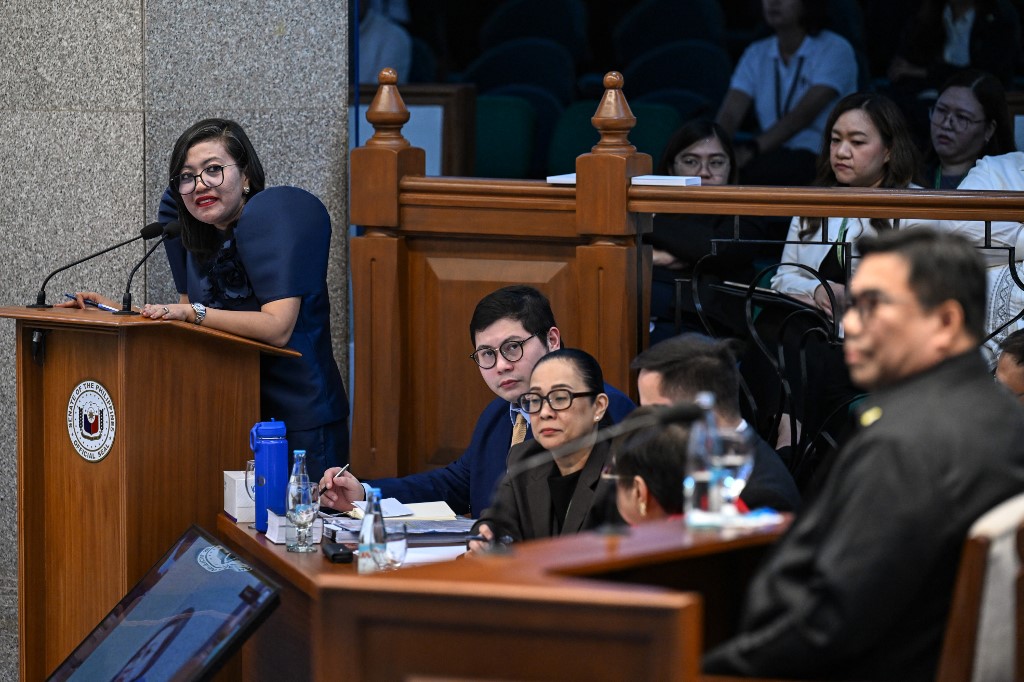
The defense panel and senator-judge Bong Go took exception to the video presentation of the prosecution showing Duterte punching a sheriff officer who wanted to implement a demolition order on informal squatters in Davao City years ago.
Davao City had just experienced a flash flood, which killed at least people. Then-mayor Sara requested that the demolition be stopped for an hour or two. But when the officer refused, Duterte ended it altogether by punching the officer black and blue, all captured on video by bystanders in their phone cameras.
The prosecution presented the video to reinforce its view that Duterte has a long pattern of violence.
Everything now is for the appreciation of senator-judges to decide whether Duterte had committed culpable violation of the 1987 under Article IV. It is for them to decide.
This early, the senator-judges are visibly divided into two, either for or against Duterte.
Replying to senator-judge Raffy Tulfo’s manifestation on why the pro-Duterte senator-judges seemed to have been given more time to talk, the presiding officer said the impeachment court recognized no majority, no minority in the trial.
Still, senator-judge Alan Peter Cayetano said there were “prosecution senator-judges,” and there were “defense senator-judges.”
The trial has become highly politicized, according to a former defense counsel in the trial of former Chief Justice Renato in an interview on nationwide television, shortly after it was adjourned.
That the impeachment court is divided, that this country is divided between the Marcoses and the Dutertes, has been the talk of the town the past many years, or since 2023 when the UniTeam collapsed.
What caused the collapse is the elephant in the room. What triggered the trial is this same elephant in the room.
The two highest officials have split this country unimaginably. A daily check on social media shows that it has become a war zone between the two competing parties.
Why their conflict has dragged this country into something that is extremely difficult, if not impossible, to fix remains the elephant in the room. The public deserves to know.
Disclaimer: The views expressed in this article are those of the author and do not reflect the opinions of PhilSTAR L!fe, its parent company and affiliates, or its staff.
