

Cyber libel complaint vs Lokalpedia founder dismissed
The cyber libel complaint against Lokalpedia founder, John Sherwin Felix, has been dismissed by the Makati City Prosecutor’s Office for lack of basis.
Felix shared the update on Lokalpedia's Facebook page on Friday, April 24.
"After several weeks of legal proceedings, I am glad to announce that the cyber libel complaint filed against me, in relation to my critiques of the book Kayumanggi: A Kaleidoscope of Filipino Flavors and Food Traditions, has been dismissed by the Office of the City Prosecutor of Makati," he wrote.
He added that the Office of the City Prosecutor of Makati found his statements does not provide sufficient basis to establish libel, and that it constituted fair commentary on matters of public interest, "particularly food heritage, involving a limited public figure and the use of public funds. The complainant failed to establish that my statements were made with malice."
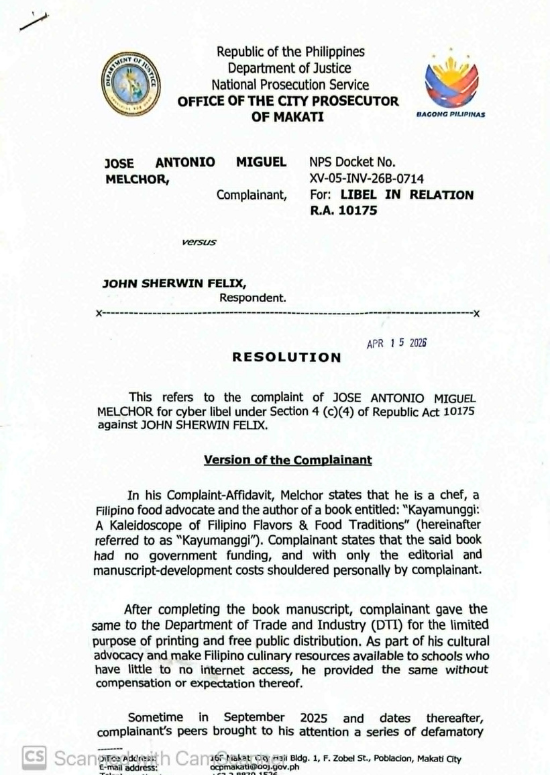
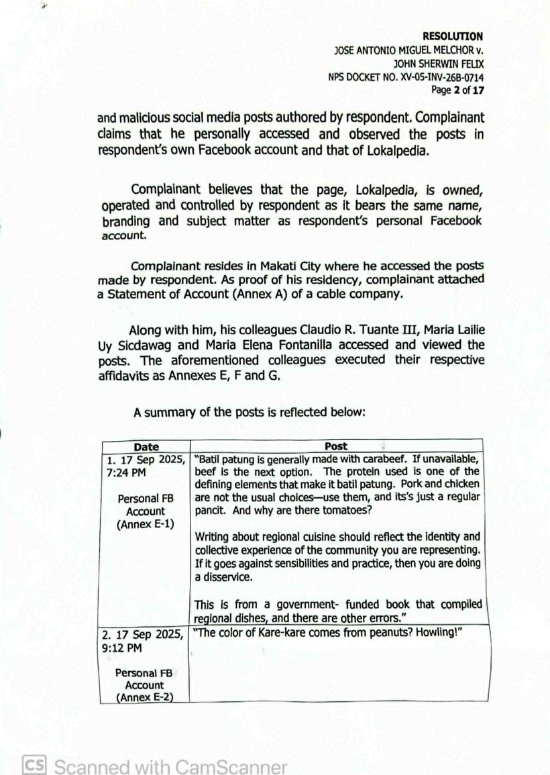
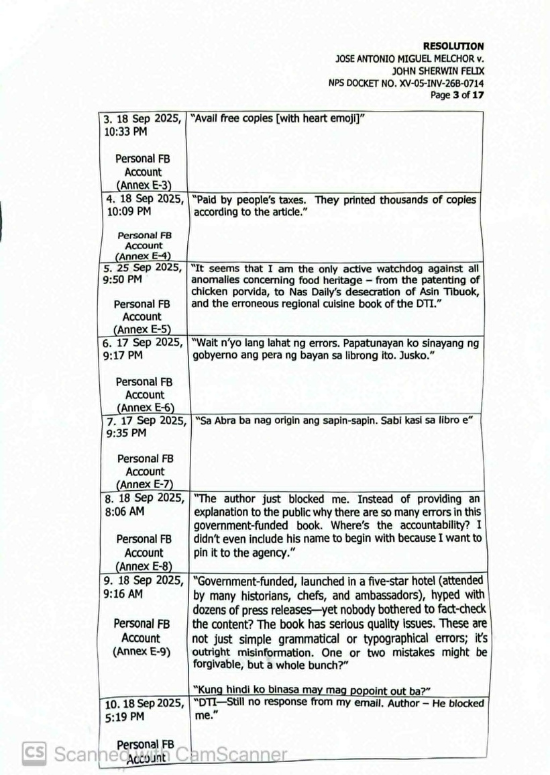
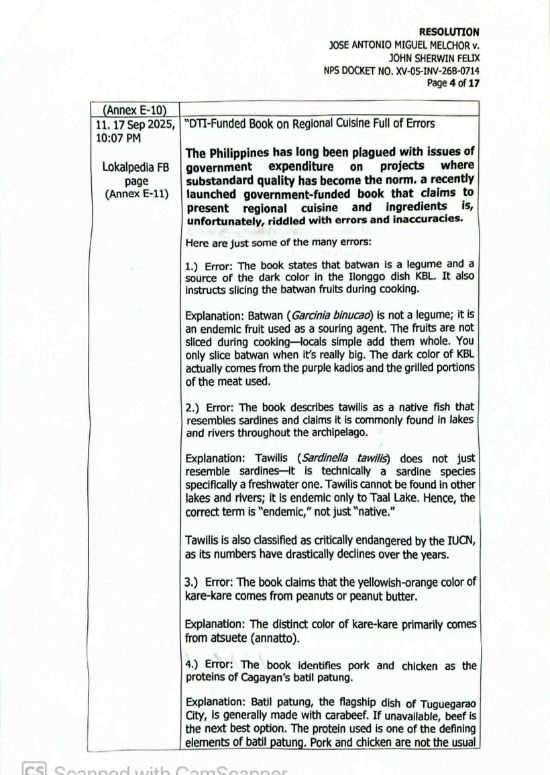
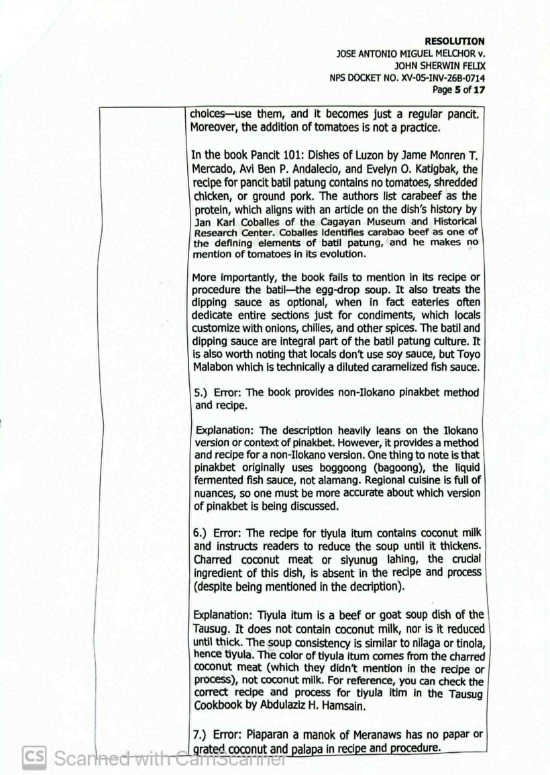
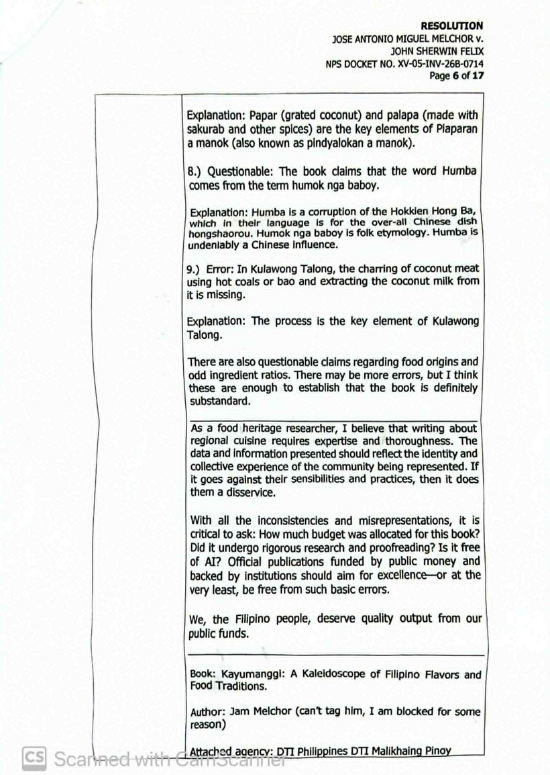
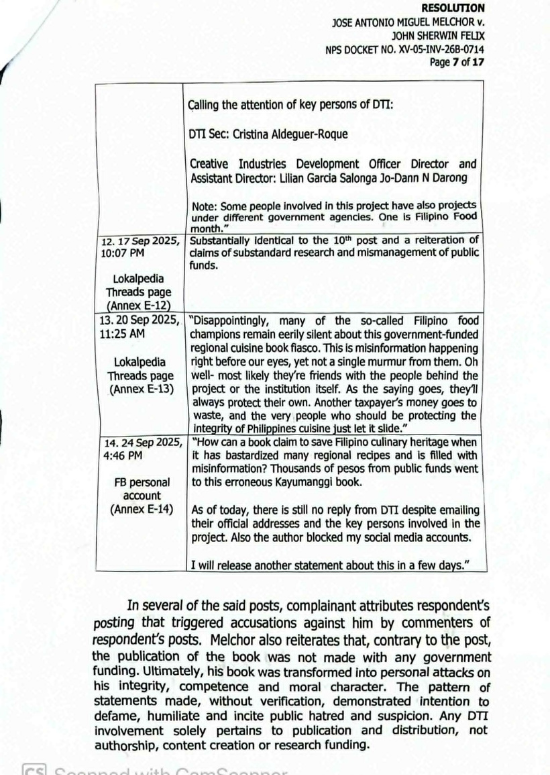
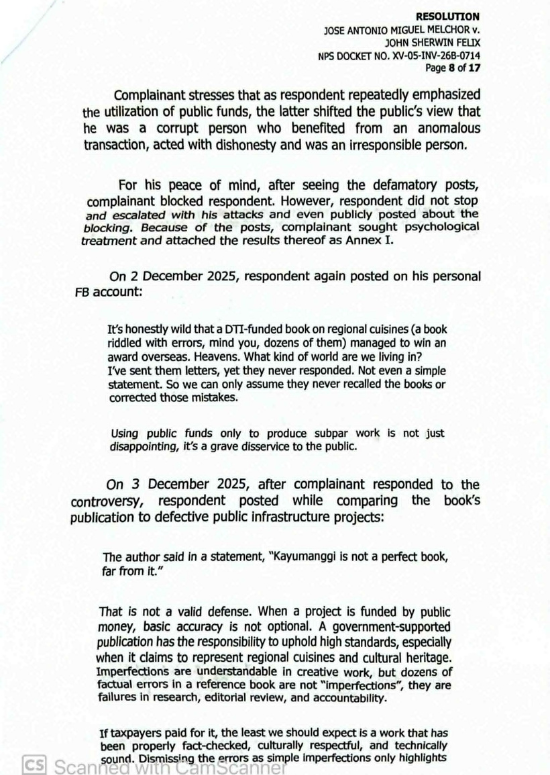
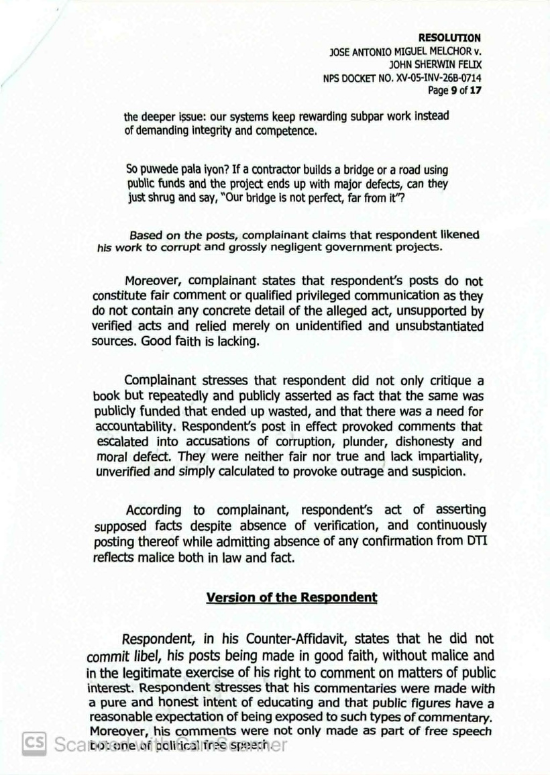
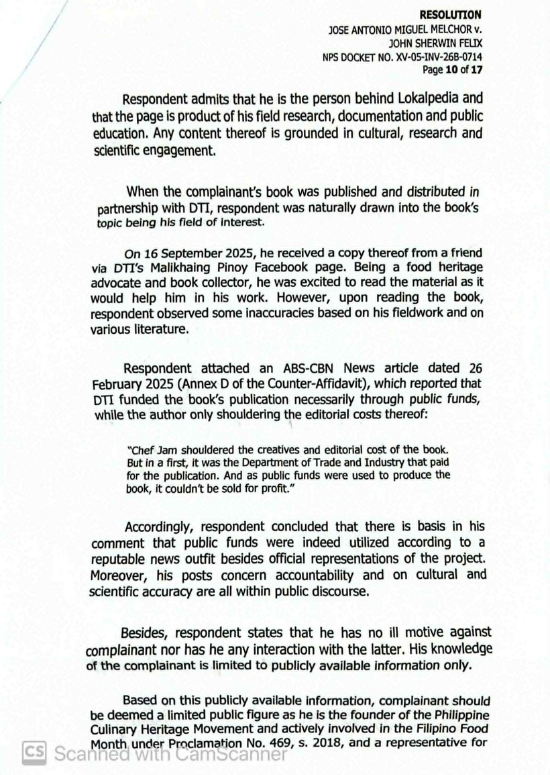
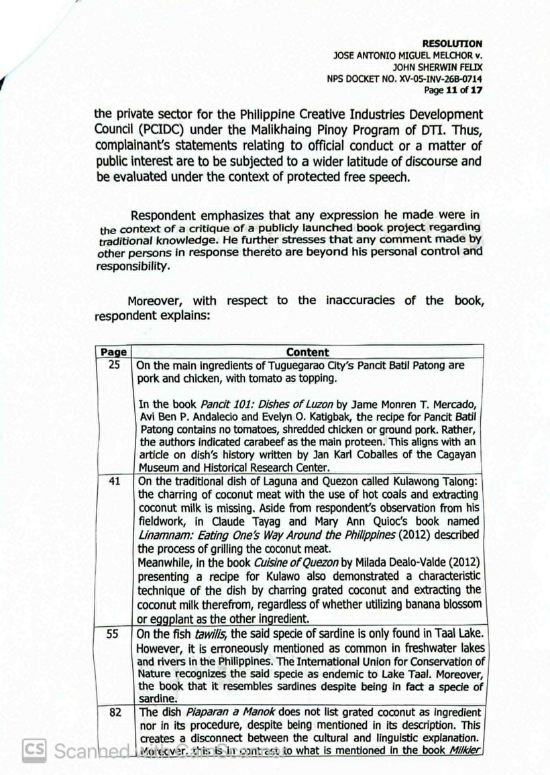
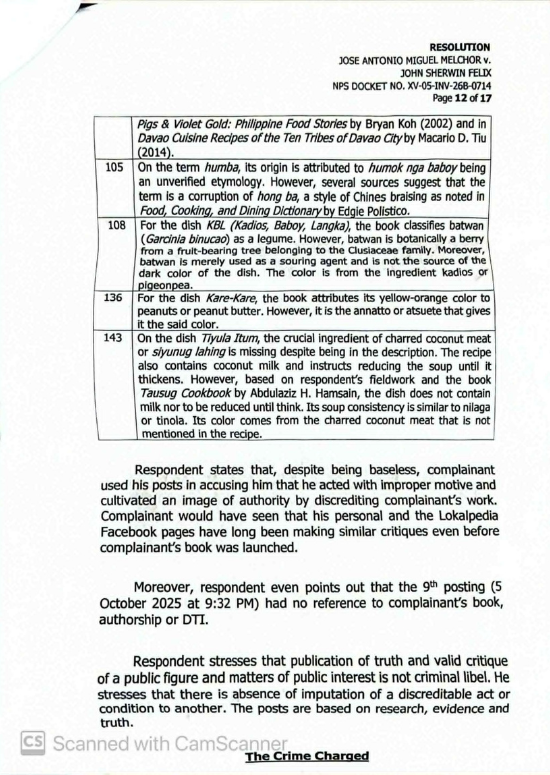
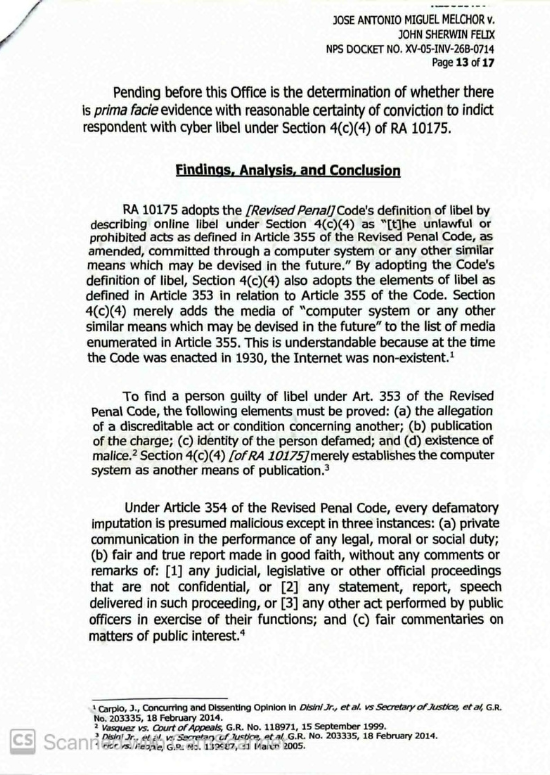
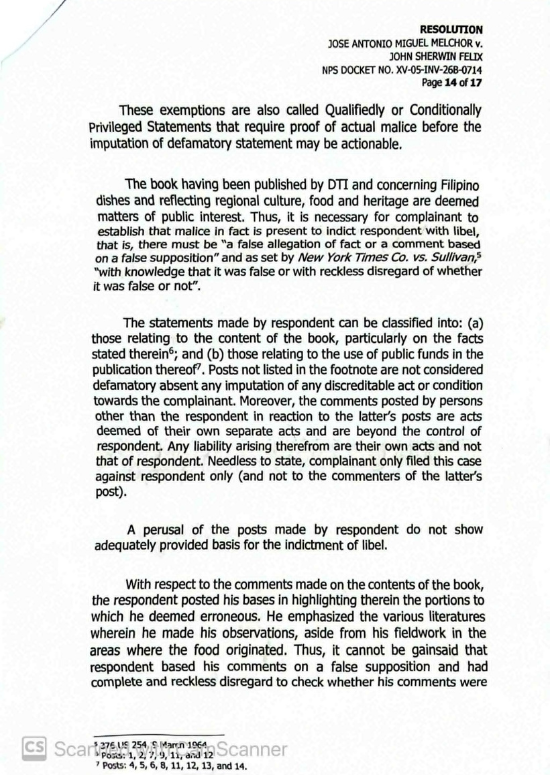
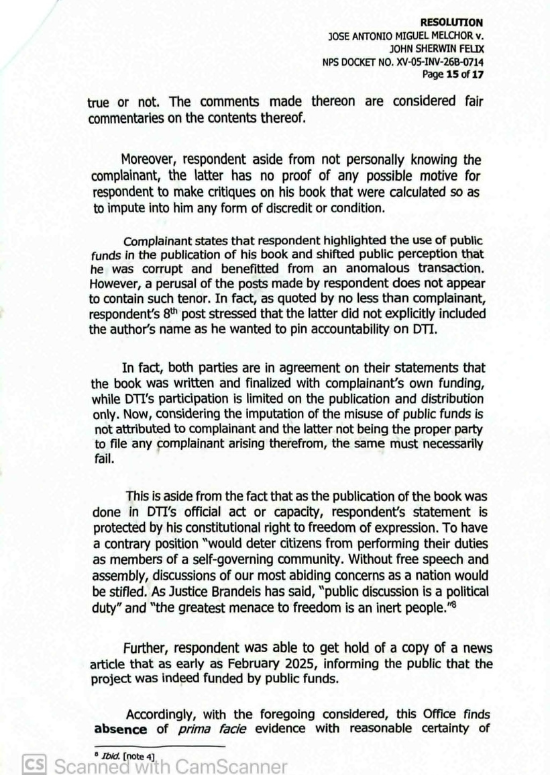
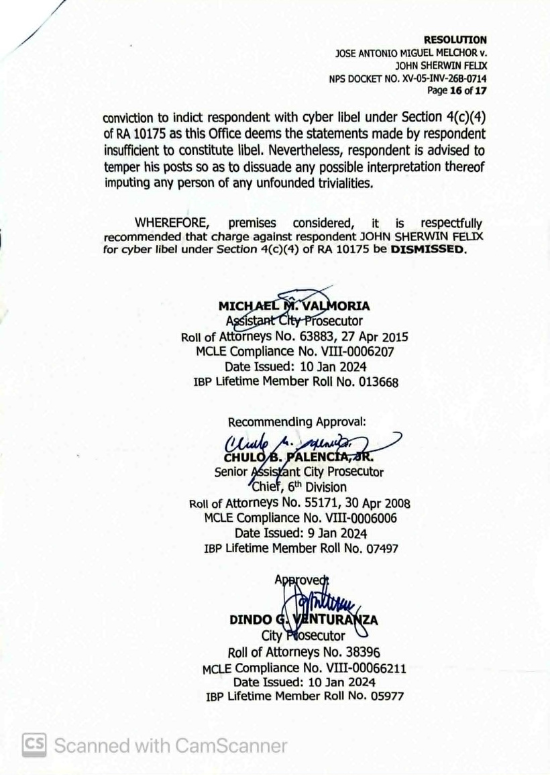
In the case, the complainant argues that the respondent’s posts implied he misused public funds and was involved in a corrupt transaction. However, the Makati prosecutor's office noted that Felix statements does not support this claim.
"In fact, as quoted by no less than complainant, respondent’s 8th post stressed that did not explicitly included the author’s name as he wanted to pin accountability on DTI," the resolution, which PhilSTAR L!fe has obtained, read.
CONTINUE READING BELOW

The resolution said that Felix's statements are protected by freedom of expression since the book was done as part of DTI’s official function. It warned that limiting them would discourage civic participation and public debate, citing Justice Brandeis, stating that “public discussion is a political duty” and that “the greatest menace to freedom is an inert people.”
The Office also found no prima facie evidence with reasonable certainty of conviction to support the filing of a cyber libel case.
The complaint stemmed from Felix’s receipt of a copy of the book, which was published by the Department of Trade and Industry's Malikhaing Pinoy Program in April 2025. In September 2025, he pointed out errors and inaccuracies in a Facebook post, covering everything from listed ingredients and cooking methods to the stated origins of some dishes in the cookbook.
Aside from the called-out post, Felix also sent emails to DTI, as well as the representatives of the Malikhaing Pinoy Program and the Philippine Creative Industries Development Council on Sept. 18 and 23, 2025, regarding the matter.
Four months later, on Feb. 25, he recalled receiving a subpoena in connection with a cyber libel complaint filed by the book’s author, Chef Jam Melchor.
Felix, with help from human rights lawyers, submitted a counter-affidavit on March 10, asserting that the statements were "made in good faith, without malice, and based on research."
"The intent was to raise concerns about a publicly funded publication and to correct inaccuracies in the documentation of Filipino food heritage," he stressed.
Following the resolution, Felix expressed how he couldn't be more grateful to the Makati prosecutor's office, his legal team, and his other allies for support, especially since the lawsuit took a toll on his mental health, physical well-being, and finances.
"As Filipino Food Month comes to a close, this development affirms the importance of critical discourse, accountability, and accuracy in representing our culinary traditions," he wrote.
He once again called out the DTI Malikhaing Pinoy Program over the unaddressed concerns despite repeated attempts to engage.
"Public institutions have a responsibility to ensure accuracy, accountability, and transparency, especially in projects supported by public funds," he stressed.
"This outcome is not only a legal victory for me, but also a reaffirmation of the role of researchers, advocates, and citizens in safeguarding our cultural heritage," he concluded.
Felix is a food heritage scholar and advocate. His passion project, Lokalpedia, is an online platform dedicated to Philippine ingredients and culinary traditions grounded in grassroots knowledge from farmers, fisherfolk, elders, Indigenous groups, and vendors across the Philippines.

WATCH: Is OPM still as good as it used to be? (Generations Ep. 20)
September 9, 2026