

Here are some expert tips on how to stretch your money's value amid price hikes
Money smarts is essential amidst the steadily rising price of oil due to the war in the Middle East. It is crucial to have a plan for managing savings and income. But having savings is not enough; one must also know how to make it grow and spend the rest wisely.
In extraordinary times like a national energy emergency, what should you do with your money? PhilSTAR L!fe chatted with some experts who gave recommendations on the best ways to manage our money as we navigate numerous price hikes in commodities, transportation fares, and activities.
Focus on low-risk investments
Economics professor Bruce Ivan De Guzman suggested investing wisely to protect your money from rising inflation.
"Practical investments include putting your money into low-risk investments, such as time deposits," De Guzman told PhilSTAR L!fe.
These kinds of investments, which include treasury bills, treasury bonds, and corporate bonds, bring fixed income, according to Bangko Sentral ng Pilipinas. While their return on investment is not high, losses, if any, will not be extreme, either.
For Augusto Laforga, UST economics professor, investments cover the tangible and intangible. He cited education as an example of an intangible investment, especially if it helps you put up a small enterprise as a source of extra income.
Don't be afraid to spend on necessities
CONTINUE READING BELOW

When there is economic trouble, one's instinct may be to hold tight to their money and keep it untouched as long as possible. This is not advisable, according to Laforga.
"Keeping or saving too much money is not good for our economy," he told L!fe. "As an economic professor, I cannot advise too much savings because that is detrimental to economic activity. Economic activity must not be paralyzed."
So if you have to, spend. But remember to be an intentional consumer.
Laforga said that people should spend on "necessities above all."

This is not the time to indiscriminately buy unnecessary items or subscribe to fleeting experiences, especially if your monthly budget is just enough to get by.
"House rentals should be paid first before anything else," said Laforga. "Transfer to cheaper places, but try to evaluate their practicability."
After payday, prioritize your necessities, groceries, utility bills, and any debts. "For groceries, try to look for alternatives or substitute [ingredients] that are cheaper," Laforga added. If there's anything left over after savings, then it is the time to indulge in minimal, affordable luxuries.
In easier times, the Bangko Sentral ng Pilipinas suggested following the 50-30-20 rule—spending 50% of your monthly income on needs, 30% on wants, and 20% on savings. However, in this period of global crisis, Laforga said how one spends their money would vary from person to person, depending on their circumstances.
Make a habit of healthy self-improvement activities
In times of crisis like this period of economic uncertainty, it's crucial to be in tip-top physical and mental shape. Many medical bills can be prevented with a mindful lifestyle.
"Consider spending on learning and self-improvement, such as maintaining a healthy lifestyle and investing in a gym membership," De Guzman told L!fe.
Laforga added, "Social trips and recreation are good intangible investments for your mental health."
Travel with intention
If you will be traveling in the near future, it would be a good idea to schedule tours or leisure activities near where you are staying, according to Laforga. This way, you can minimize spending unnecessarily on public transportation.
"The decision to travel wisely varies depending on the type of traveler," said De Guzman. "Business travelers will still book flights, no matter what, whereas tourists can choose between budget-friendly options and more luxurious experiences."
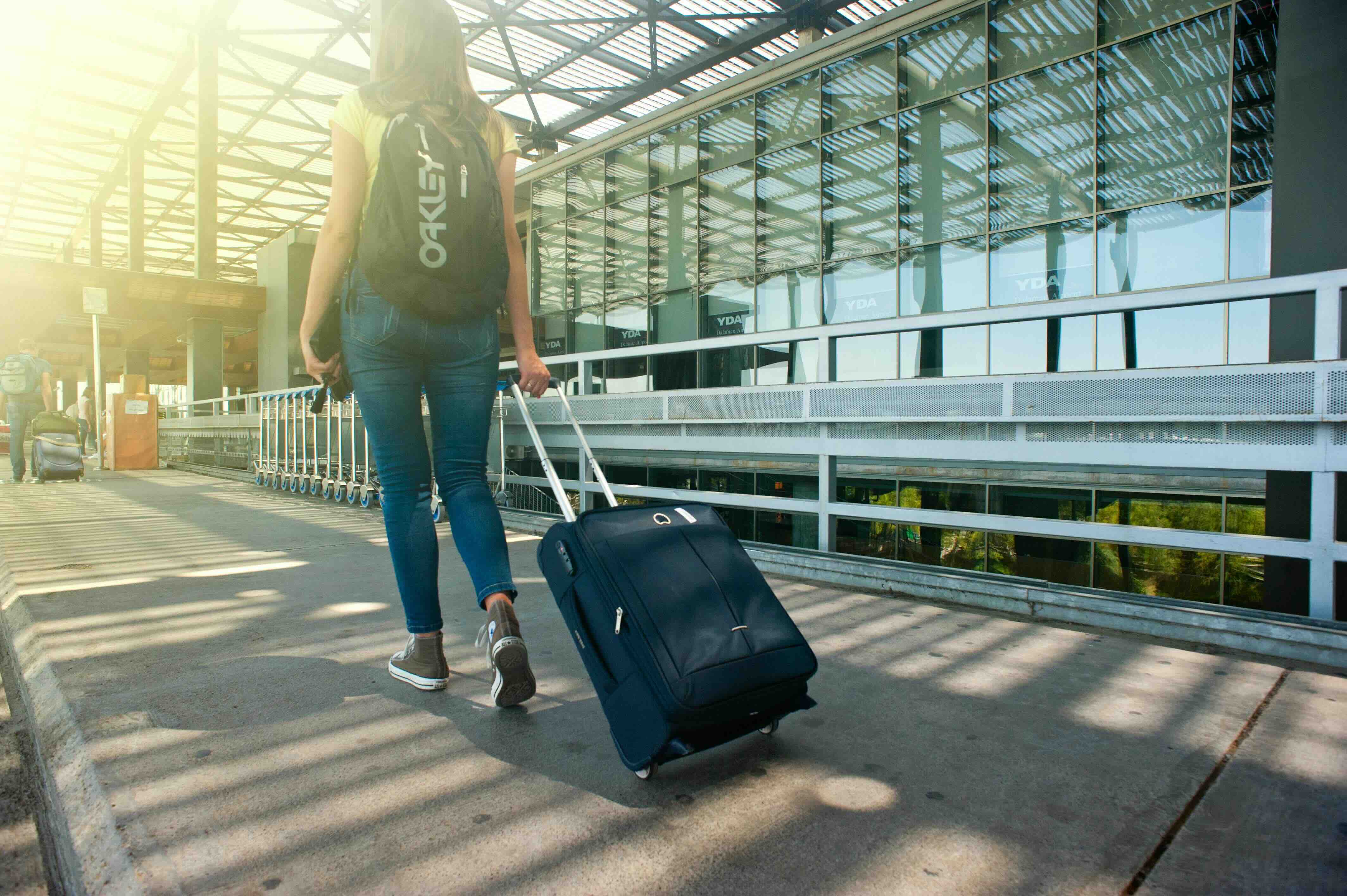
Meanwhile, Boston Consulting Group Managing Director & Senior Partner Anthony Oundjian recommended opting for domestic trips or neighboring countries over long-haul travel amid uncertain times.
"Time to rediscover all the treasures our country has to offer!" he told L!fe.
Regina Laquindanum, general manager for Cristina Travel, echoed this take on recreational travel, adding that one should book trips as quickly as possible.
"Given that the oil crisis may persist, it's reasonable to expect that airfares could continue to rise. If your travel plans are important, it would be wise to book sooner rather than later to lock in current rates," Laquindanum said, adding it would be a good idea to seek assistance from a travel agent who may be more familiar with making changes in itinerary.
Auditing firm PWC Philippines' Assurance and Markets Executive Director Allan Cao agreed that advance booking is advantageous. "Timing is very important—book now if the trip is around a couple of months ahead, if peak season is coming, and if seats for flights are limited."
He also cited an informal study suggesting booking international flights two to eight months in advance and domestic flights one to three months ahead.
If international travel does not involve business, it would be best to stay relatively close to the Philippines. Laquindanum suggested Thailand, Vietnam, Indonesia, Korea, Japan, Australia, and New Zealand.
Airlines in Asia and Europe raised fares amid the Middle East conflict, including Hong Kong Airlines, Air India, and FlySafair in South Africa, which increased fuel surcharges across several routes.
When booking any trip, pay close attention to the terms and restrictions of your flights, hotels, and tours.
"Whenever possible, look for options that offer refunds or allow rebooking," said Laquindanum. "Most travel insurance policies do not cover acts of war, so this is not something you can rely on for protection in such situations," she added.
Part of being resilient during tough times is learning how to optimize the things within our control. And in this period of economic unrest, it is vital to understand what to do with your money so that it can keep you empowered, safe, and secure while waiting for a more stable world.

WATCH: Discovering Vietnam in three days
June 9, 2026
WATCH: How to experience Bangkok and Kanchanaburi in one trip
October 21, 2026