

What you need to know about the Love Bus, the revived 70s PUV returning to roads
The Love Bus, an iconic mode of transportation from the 1970s, is returning to Metro Manila roads to offer commuters free rides.
President Ferdinand Marcos Jr. reintroduced the bus on his birthday on Sept. 13 at the Valenzuela Gateway Complex. The PUV was among the first air-conditioned buses in the country, servicing commuters in 1976. It ceased operations in the '90s.
Routes, capacity, hours
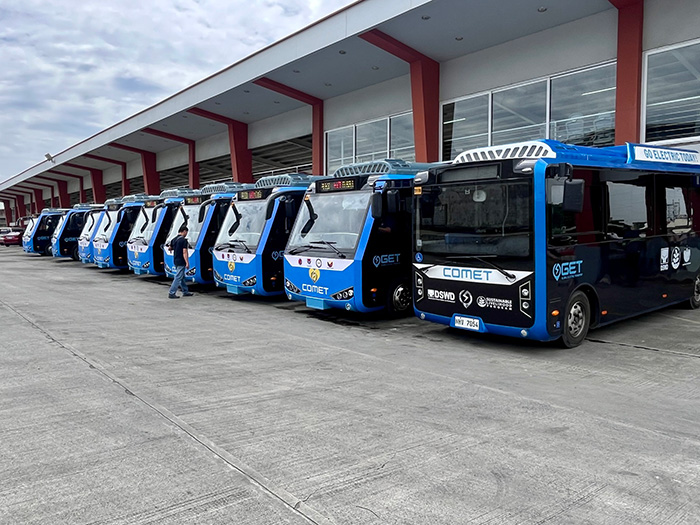
The new fleet of Love Buses includes 20 EVs providing free rides for all persons with disabilities and senior citizens at all times. Meanwhile, ordinary commuters may hop on the bus during rush hour from 6 a.m. to 9 a.m. and 5 p.m. to 8 p.m. However, for the entire month of September, rides for everyone will be free.
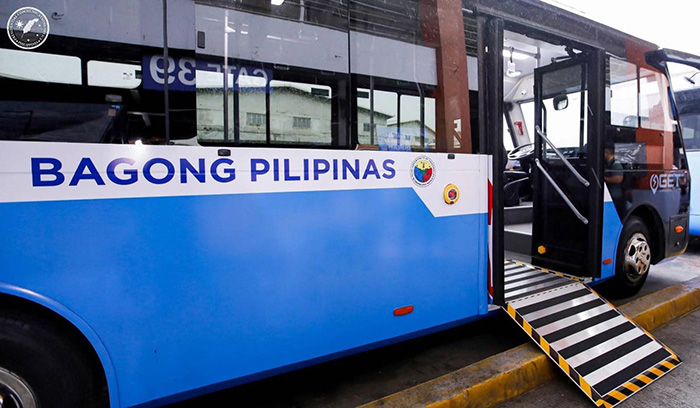
Each bus can carry up to 30 people—20 seated and 10 standing. It's also PWD-friendly with space for four wheelchairs and a ramp for easy access.
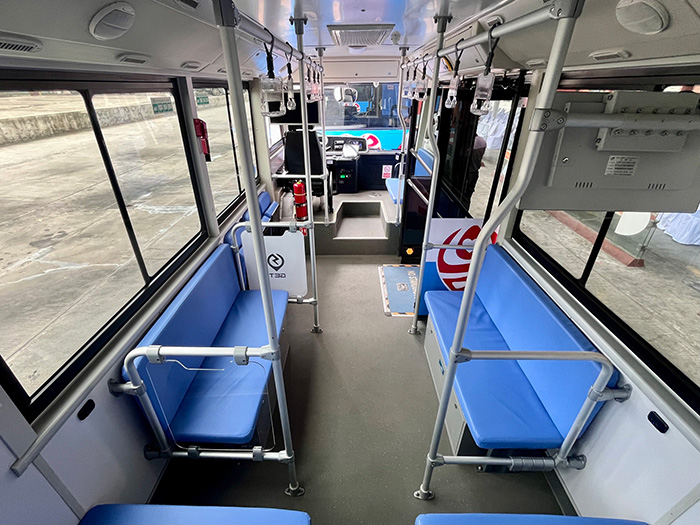

The Love Bus operates from 5 a.m. to 10 p.m. and will initially ply three routes: Valenzuela Gate Complex Terminal to DSWD, Batasan Hills Loop, and VGC Terminal to Parañaque Integrated Terminal Exchange, or PITX.
To ride the bus, commuters must register through the Love Bus mobile app, which is currently available on the Google Play Store. It will be available through the App Store in the coming week.
During his fourth State of the Nation Address, Marcos said that the Love Bus would make a comeback.
"Hindi lang natin ibabalik ang Love Bus. Ito ay gagawin pa nating libre," he said. Pilot runs were held in Cebu and Davao.
The Love Bus got its name from a popular Hollywood movie from 1968, The Love Bug, according to the Philippine Transportation Journal Vol. 4, No. 1. It donned blue paint with hearts etched around it.
Ran by the Metro Manila Transit Corporation (MMTC), the iconic bus plied central business districts like Ali Mall in Cubao to Makati, Magallanes, and Escolta, and had more than 700 buses in its fleet.
In the first four years of operations, the MMTC accumulated a P140 million deficit, according to the Philippine Institute for Development Studies.

WATCH: Do you still believe in marriage? (Generations Ep. 17)
August 19, 2026
WATCH: Save for retirement or enjoy life now? (Generations Ep. 21)
September 16, 2026
WATCH: Can you still trust someone who betrayed you? (Generations Ep. 22)
September 23, 2026