What to know about chikungunya, a viral disease caused by mosquitos
Dengue isn't the only mosquito-borne disease Filipinos should watch out for this rainy season. The Department of Health is monitoring cases of a viral disease called "chikungunya" after the country recorded a 38% increase in cases this year.
According to the agency, 887 chikungunya cases were reported from Jan. 4 to Aug. 15 this year, higher than the 643 cases recorded in 2025.
However, the DOH noted that cases have recently gone down, with 77 infections reported from July 19 to Aug. 1. This marks a 57% decrease from the 181 cases recorded during the previous two-week period from July 5 to July 18.
The regions with the most chikungunya cases are Eastern Visayas with 399, Ilocos Region with 259, Calabarzon with 81, Davao Region with 62, and Cordillera Administrative Region with 26.
Despite the rise in cases, no deaths have occurred so far, compared to last year's one.
If you want to stay safe from chikungunya, here's what to know about the disease and how you can protect yourself from it:
CONTINUE READING BELOW

What is chikungunya?
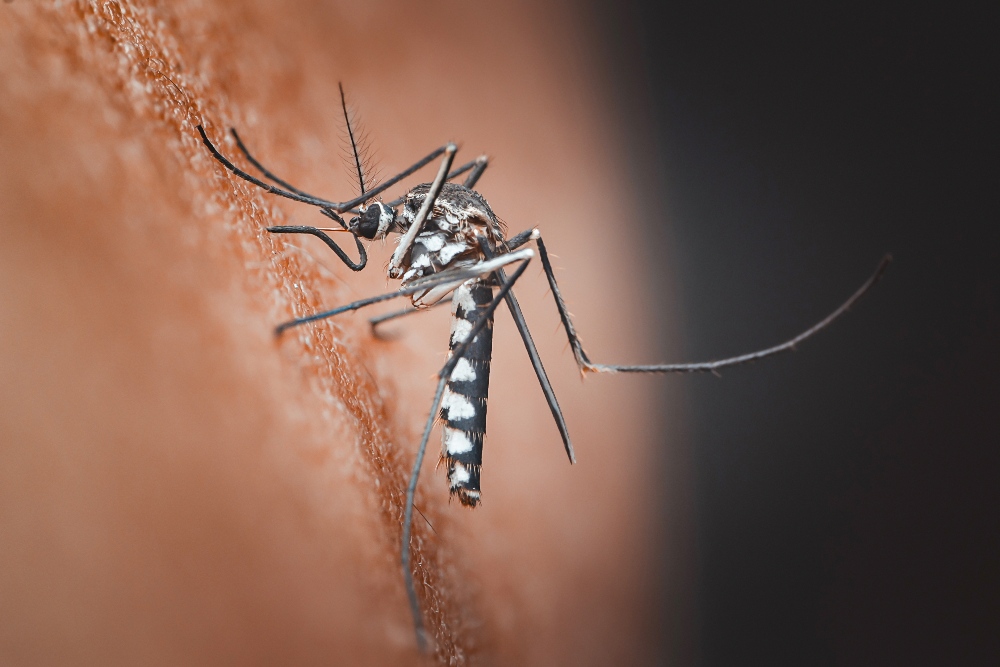
According to the World Health Organization, chikungunya is caused by the titular virus transmitted to humans by infected mosquitoes, most commonly Aedes aegypti and Aedes albopictus, which also transmit dengue and Zika viruses. Large outbreaks and sporadic cases typically occur in Asia, as well as the Americas and Africa.
The DOH said that symptoms usually appear four to seven days after being bitten by a mosquito carrying the disease and depend on the severity of the infection or the victim's overall health.
Symptoms to watch for include high fever, sudden rash, severe headache, joint pain and swelling in the lower back, ankles, knees, and wrists, nausea, exhaustion or fatigue, and muscle pain.
How to stay safe
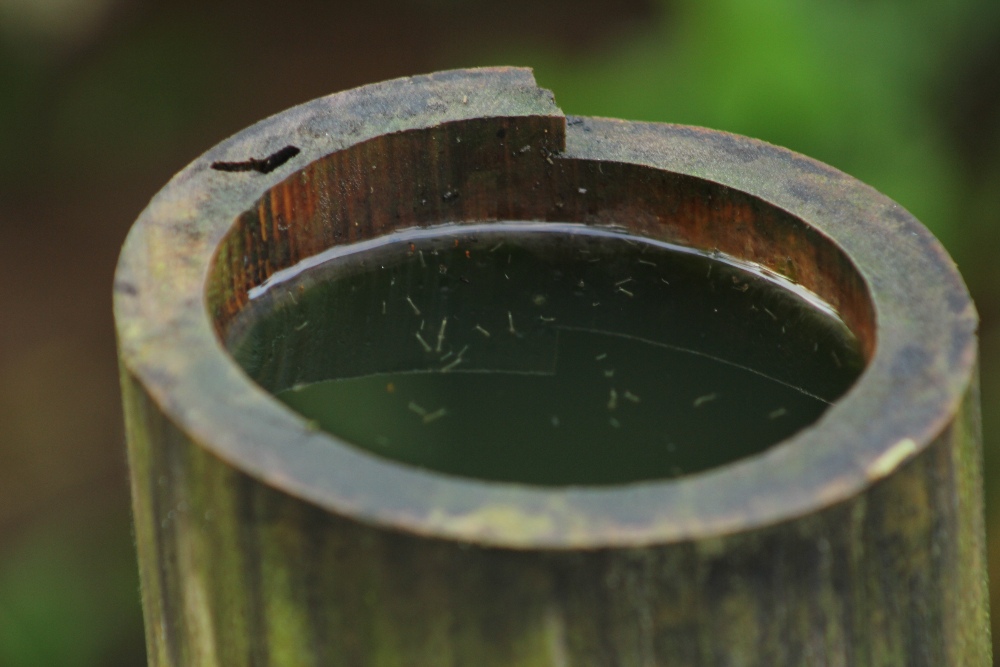
Infected mosquitoes that spread chikungunya commonly breed in objects and containers where water can accumulate, which is why it's important to cover water storage containers and other items that can collect or trap water.
The DOH stressed that you must also remove discarded containers and other objects that can collect water around your home and avoid storing water, especially when it is not necessary.
It's also best to keep the surroundings of your home and community clean.
If you manage to get infected, there is unfortunately no specific antiviral medicine for chikungunya. However, analgesics and nonsteroidal anti-inflammatory drugs may help relieve pain and swelling.
WHO also noted that severe symptoms and deaths from chikungunya are rare and mostly occur in young babies or elderly people with other health problems.
Since the disease can be mistaken for dengue, it's crucial to avoid consuming aspirin, as this is considered dangerous during the initial stages of a suspected infection. This is because it can cause internal bleeding if the actual cause of the illness is dengue fever.
Ultimately, it's recommended to consult a doctor for proper treatment and management of chikungunya. (with reports from Rhodina Villanueva)