Mr. John: The most well-read tycoon
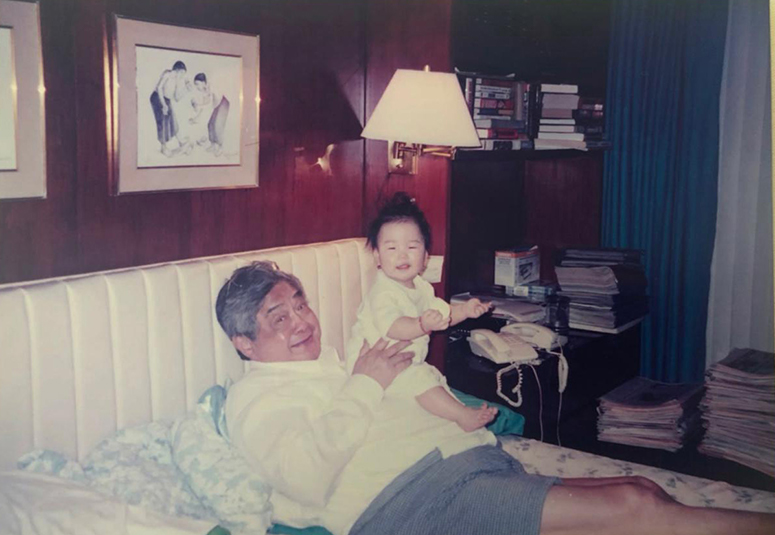
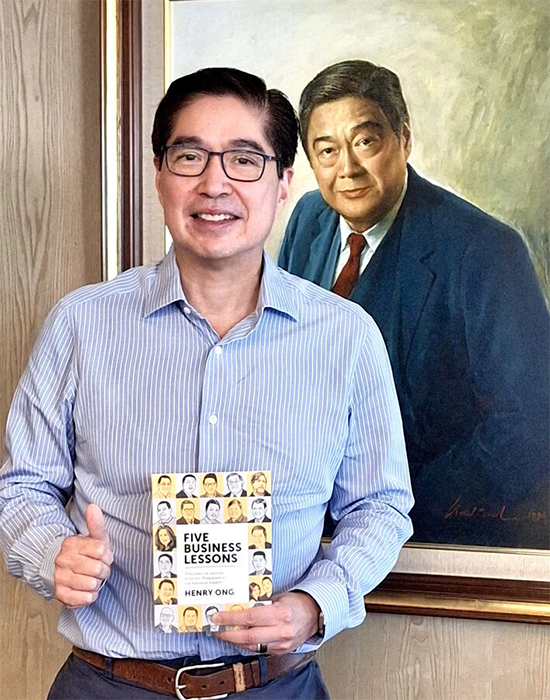
When people remember the late philanthropist and pioneer industrialist John L. Gokongwei Jr., they often recall the visionary entrepreneur who built one of the Philippines’ greatest business empires. I remember something else.
Books.
Books were everywhere.
In his office. Beside his bed. On tables. On shelves. I imagine, sometimes stacked in little mountains that seemed ready to topple if curiosity pulled out the wrong volume.
He may well have been the most well-read tycoon in the Philippines.
Years ago, Mr. John told me that as a youth he had read Margaret Mitchell’s novel Gone with the Wind. Like many boys of his generation, he also dreamed of becoming a pilot someday. Life, however, had other flight plans. Instead of piloting airplanes, he piloted companies—and eventually helped millions of Filipinos fly through Cebu Pacific.
During the recent unveiling of John Gokongwei Jr. Boulevard in Bridgestone, Pasig City, I enjoyed listening to his daughters, Robina Gokongwei-Pe and Lisa Gokongwei-Cheng, reminisce about growing up in what seemed less like a family home and more like a very comfortable public library.
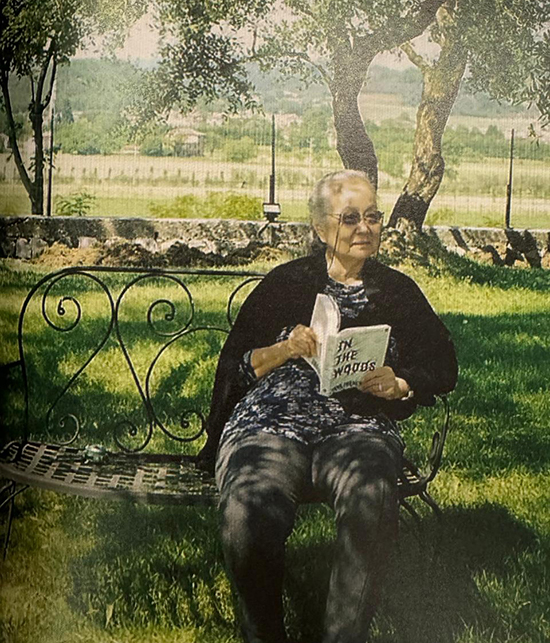
Robina smiled as she shared her belief that both their parents, John and Elizabeth Yu Gokongwei, probably already knew each other as children because they were neighbors in Cebu City.
Thankfully for Philippine business history, persistence apparently has its rewards.
One of my favorite stories came from Robina’s Grade 2 Christmas.
Her father had told her that Santa Claus would arrive bearing gifts. One night she woke up to discover two books beside her bed, accompanied by a handwritten note from Santa.
Years later, she realized that Santa possessed a remarkably familiar handwriting.
It looked exactly like her father’s.
The gifts included children’s books, among them a young readers’ biography of humanitarian Clara Barton and a retelling of King Arthur and the Knights of the Round Table. Apparently, even Santa believed that the finest Christmas presents came with pages instead of batteries.
Robina laughed that both her parents loved books so much they eventually transformed her own bedroom into an extension of their library.
Some children complain their parents invade their privacy.
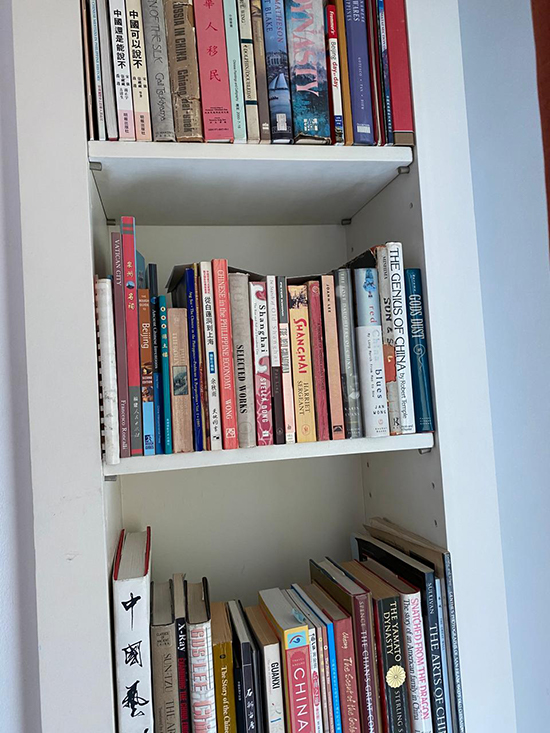
The Gokongwei daughters simply had to compete with books for shelf space.
Mr. John once told me that his favorite reading consisted mainly of business, biographies, history and other nonfiction. His wife Elizabeth, he said then, preferred literature and novels. Robina gently updated my information, explaining that later in life their mother also became an avid reader of nonfiction.
Lisa and Robina recalled that their father bought virtually every book written by—and about—Singapore’s founding Prime Minister and incorruptible statesman Lee Kuan Yew. He also treasured classics of history, including Edward Gibbon’s monumental The History of the Decline and Fall of the Roman Empire.
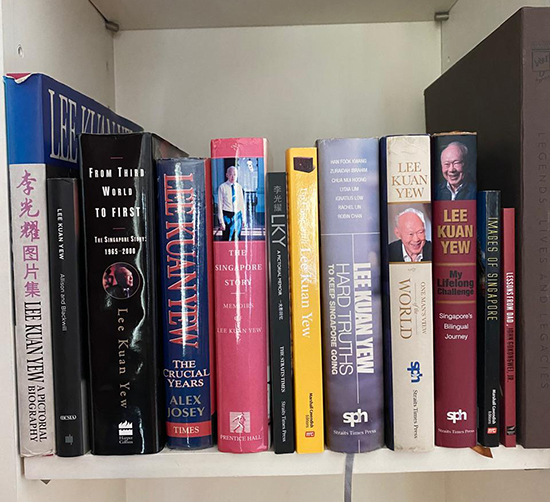
Their mother’s collection reflected equally refined literary tastes, including classics, Betty Smith’s A Tree Grows in Brooklyn, Taylor Caldwell’s To Look and Pass, Leon Uris’ Trinity, and novels by James Michener.
Then, with perfect comic timing, both sisters burst into laughter.
Among their father’s enormous library, they confessed, was one rather unexpected bestseller: The Joy of Sex.
Apparently, even legendary tycoons occasionally conducted... comprehensive research.
The room erupted in laughter.
Perhaps that little revelation reminds us of something important. Great people are rarely one-dimensional. Behind the boardroom was a husband, a father, an incurably curious reader, and a lifelong student of human nature.
John Gokongwei Jr. built factories, airlines, food companies and shopping malls. Yet his greatest investment may have been one that never appeared on any balance sheet—the lifelong habit of reading.
After all, every successful entrepreneur eventually closes the office for the day.
A good book, however, never really closes. It simply waits patiently for its next reader.