

‘Be better than AI’: Student journalists challenged to uphold truth and accountability in the age of AI and influencers
Responsible reporting, critical thinking, creative pursuit. All these matter to campus journalism, a crucial exercise of accountability among student journalists competing at the National Schools Press Conference. The annual journalism contest prepares them to become informed and accountable citizens as they hone their communication skills and ethical aptitude.
With accuracy and fairness as the battleground of sound and sensible journalism, where does artificial intelligence come into the picture of reporting?
“Be better than AI,” said award-winning broadcast journalist Atom Araullo, who was the keynote speaker at the opening of NSPC in Ormoc City last week.
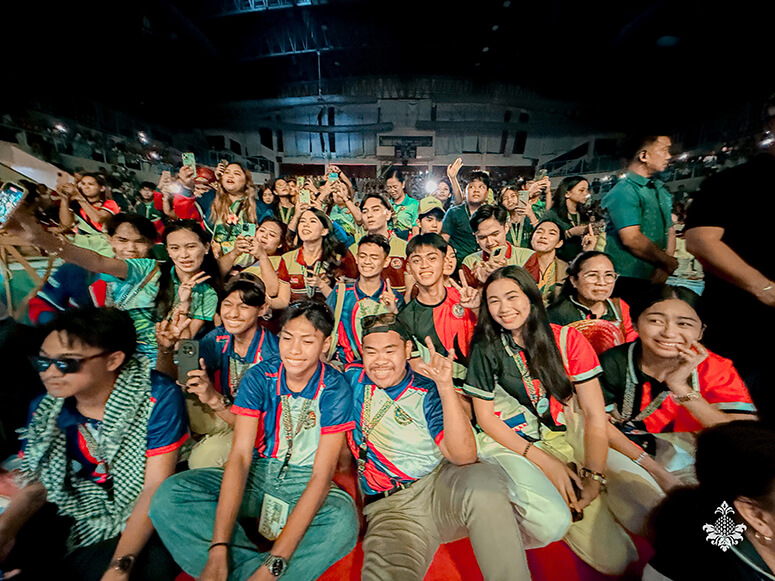
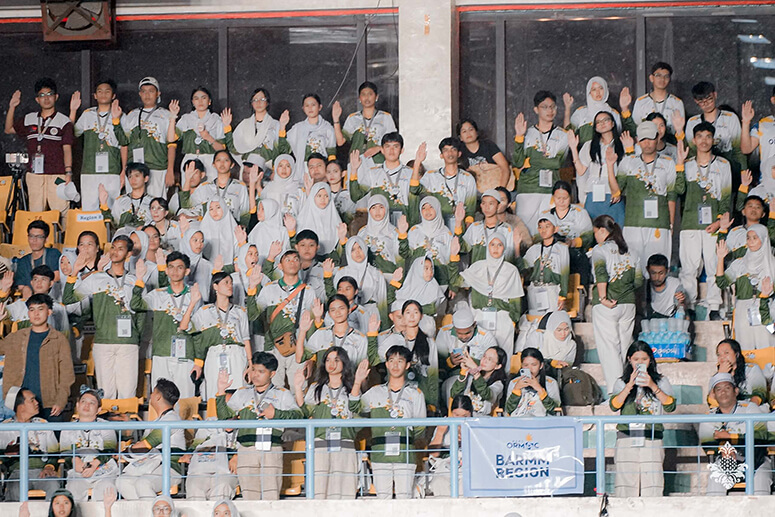
“AI can write. It can make pictures, videos. AI can generate content, but it cannot pursue the truth. It cannot immerse in a community. Hindi nito kayang manindigan, at hindi nito kayang umako ng pananagutan,” Atom told some 3,000 student journalists from 18 regions of the Philippines at the Ormoc City Superdrome.
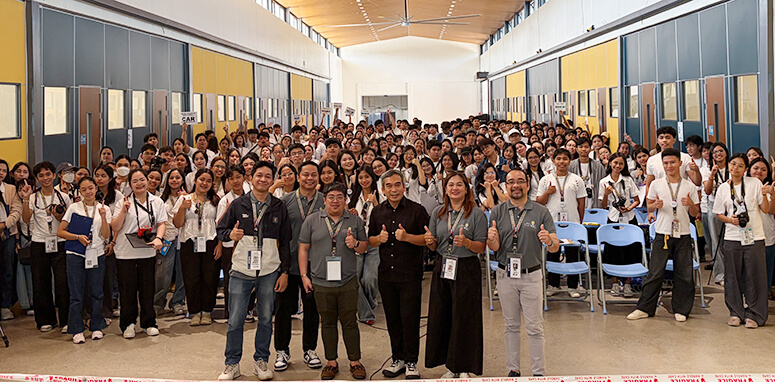
The students competed in various individual and group categories, including broadcasting, writing, and multimedia platforms. Their outputs revolved around this year’s NSPC theme: “Mapanuri, mapanindigan, at mapanagutang pamamahayag” or “Critical, principled, and accountable journalism.”
“Kaya ang mensahe ko sa inyo: Be better than AI! Magaling ang artificial intelligence sa maraming bagay, pero hinding-hindi nito puwedeng palitan ang isang responsableng mamamahayag,” Atom said.
CONTINUE READING BELOW

He also told campus journalists that the other challenge now is the presence of influencers.
“Tila mas marami nang nakikinig sa influencers kaysa sa journalists. Ang influencer nagtatanong: ‘Ilang views? llang likes?’
“Ang journalist nagtatanong: ‘Ano ang mahalaga? Sino ang makikinabang?’
“Influencers chase attention. Journalists chase the truth,” Atom added.
Journalism is pro-people
Campus journalism, like mainstream journalism, is pro-people as it necessitates truth in the service of a community, of a nation. Anything less than that is a disservice that negates the credo of a journalist.
The best of the best campus journalists gathered in Ormoc City last week for the 2026 National Schools Press Conference, the highest journalism competition for both public and private elementary and secondary schools in the country. It is a prestigious competition spearheaded by the Department of Education as per Republic Act 7079, also known as the “Campus Journalism Act of 1991.”
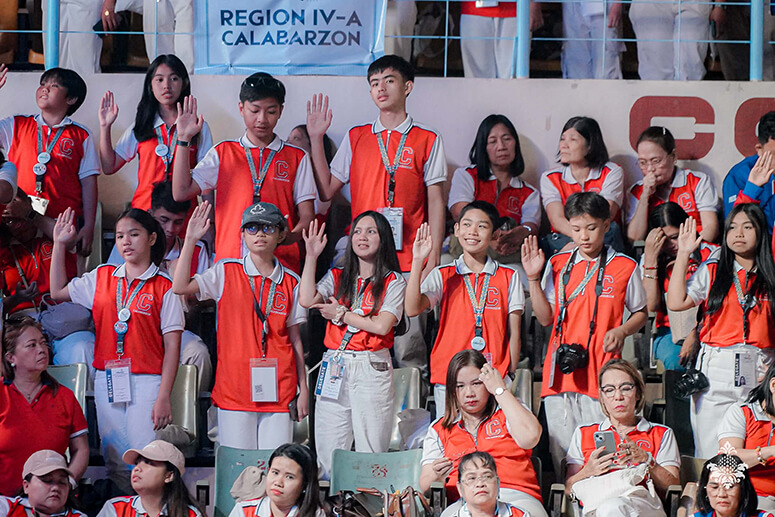
The overall champion for NSPC 2026 was Region IV-A (CALABARZON). The National Capital Region and Region II (Cagayan Valley) were adjudged second and third, respectively.
Journalism is all about the truth—even if telling the truth will not be comfortable to some, especially to those in power.
“Tell the truth just the same,”
“Telling the truth is not an easy job because when we tell the truth, there are those who get angry, often they are the ones from the corridors of power. I personally experienced this when I did a documentary on Lumads who were forced to flee their place because of war and violence. I was called an enemy, a rebel. At pinilit pa nilang bawiin ang aming istorya,” Atom shared with a crowd of students and teachers.
Not for the faint-hearted
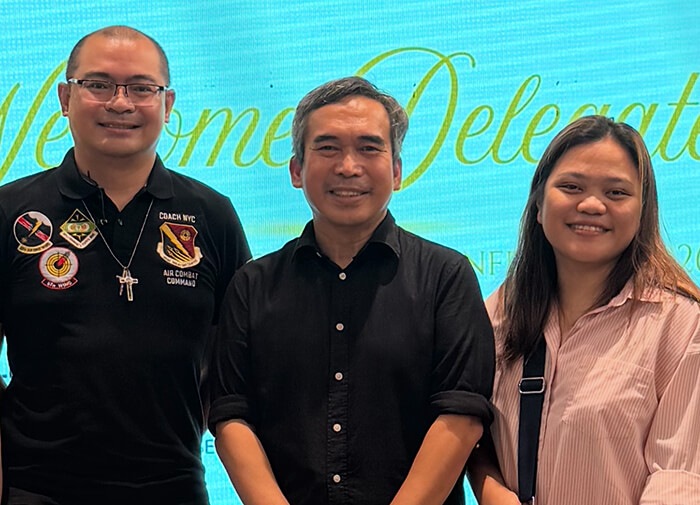
Journalism is not for the faint-hearted, especially if you are doing undercover assignments to ferret out the truth, I told a large group of journalists in a lecture I did for the NSPC in Ormoc.
Because journalism is now on a fast-paced lane and many things are within the reach of the fingertips, my marching order for my lecture was to tell a slice of a journalist’s life in the ‘90s.
I shared my experiences as a young reporter on a mission as a poseur buyer of methamphetamine in Manila, carrying marked money given to me by the authorities.
I also recounted to the young reporters how my heart leapt out of my chest when I pretended to be a cake delivery boy in Malacanang to get an up-close-and-personal account of a despedida de soltera where I was not invited (but my editor that time insisted I should go; you don’t say no to an assignment.)
Or how we (reporters covering the diplomatic beat) gathered news in a mound of trash every late afternoon at the assigned garbage area of the Department of Foreign Affairs in the hope that we would stumble upon worthy pieces of news in carbon papers. We usually did!
Journalism is, indeed, hard work. It’s writing and reporting the truth. And, with much emphasis, I relayed to the students that good writing is a product of regular reading, too. “You need to read until your eyes bleed. Read books. Read newspapers. Enjoy their tactile nature.”
Journalism is storytelling
“Journalism, in my view, is a formalized and professionalized version of storytelling—one that is both a privilege and an art. To be a journalist is to carry the weighty responsibility of telling the truth and upholding integrity at all costs,” said Ormoc City Mayor Lucy Torres-Gomez in her opening remarks at the NSPC.
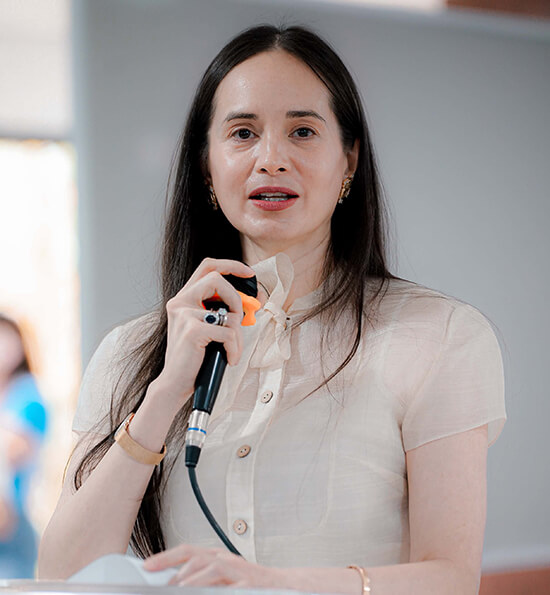
“Because what is the point of reporting something that is false? Today’s overwhelming popularity of social media platforms has provided a stage for spreading fake news. And since fake news is ill-intentioned from its conception, nothing good will ever come out of it.
“In fact, fake news only sows confusion, chaos, and division. (Responsible reporting) will all boil down to your values, who you are, and what you want to achieve in this world. So, when you are given the opportunity to report or tell the story, it is a privilege that deserves utmost discretion,” Lucy added.
Journalism is public service
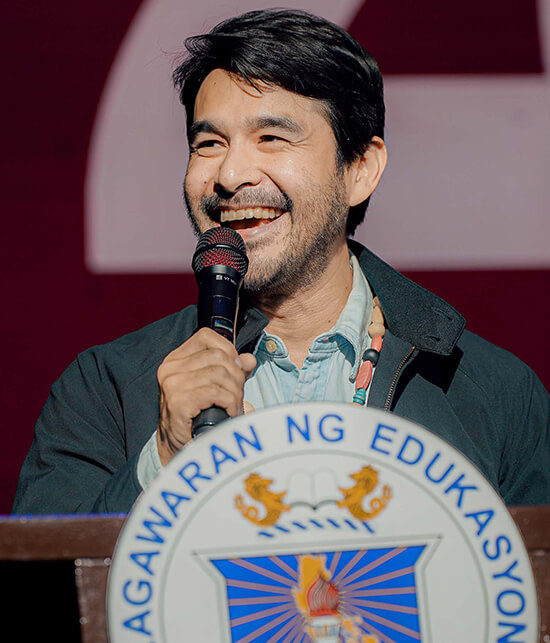
Atom said, “We are accountable to the people because journalism is a public service. We work hard for the trust of the public.”
He added: “Hindi madaling maging mamamahayag. Hindi ito ang pinakamabilis na paraan para yumaman. Hindi ito laging ligtas. Hindi ito laging popular. Pero may mga trabahong hindi puwedeng mawala.
“Kailangan ng demokrasya ng bantay. Kailangan ng bantay ang kalikasan. Kailangan ng bantay ang karapatan,” he said.
Addressing the intent of the student journalists in competition, Atom reminded them, “Alam ko, nandito kayo para manalo. Pero pagkatapos ng contest, ano na? Doon pa lang nagsisimula ang tunay na trabaho.
Ang journalism ay hindi lang competition. Isa itong serbisyo. Kapag may sakuna, may eleksyon, may katiwalian: Kailangan may magsasabi ng totoo. Puwedeng kayo ‘yon.”

WATCH: Save for retirement or enjoy life now? (Generations Ep. 21)
September 16, 2026
WATCH: Can we talk about death and grief? (Generations Ep. 25)
October 14, 2026