

ACEN transforms Zambales into one of the Philippines' largest clean energy hubs
BrandedUp in partnership with

ACEN is transforming Zambales into one of the Philippines' largest renewable energy hubs, with nearly 1 GW of solar and battery storage projects that strengthen the country's energy security while creating lasting economic opportunities for local communities.
The renewable energy portfolio includes the 585 MW SanMar Solar project, built across more than 500 hectares of previously unutilized, lahar-covered land, transforming the once-barren landscape into a productive source of clean energy.
Complementing this is the 363 MW Palauig Solar project, one of the largest solar developments in the country.
Together, ACEN's Zambales solar developments represent 948 MW of renewable energy capacity, of which approximately 450 MW is already operational, with the remaining capacity currently under construction and expected to be completed by 2027.
To further enhance the reliability and dispatchability of its renewable energy portfolio in Zambales, ACEN recently commenced construction of 1,660 MWh Battery Energy Storage Systems across its solar facilities in the province.
The large-scale battery investments will enable renewable energy generated during periods of high solar output to be stored and delivered when electricity demand is highest, including during evening peak hours and periods of reduced solar generation.
CONTINUE READING BELOW

These systems will help improve grid stability, support the increasing penetration of renewable energy in the Philippines, and strengthen the country's long-term energy security through the delivery of clean energy.
Collectively, ACEN’s solar facilities in Zambales are expected to generate approximately 1,400 GWh of clean electricity annually once fully operational, producing enough renewable energy to power around 340,000 households while reducing dependence on imported fossil fuels.
Beyond generating renewable energy, ACEN has invested significantly in the infrastructure needed to bring clean electricity to Filipino consumers.
The company has completed 14 kilometers of transmission infrastructure connecting its renewable energy facilities to the Luzon grid, with an additional 22 kilometers currently under construction, further strengthening the country's transmission network and supporting the growing demand for clean power.
For ACEN, however, building renewable energy projects means more than producing electricity—it is about creating lasting value for the communities that host them.
Throughout the development of its Zambales projects, ACEN prioritized local employment, with approximately 80 percent of the project workforce coming from surrounding communities, the majority of whom are members of the Ayta Indigenous Peoples (IP) community.
The projects have created meaningful livelihood opportunities while helping build local skills and capacity in areas where employment opportunities have traditionally been limited.
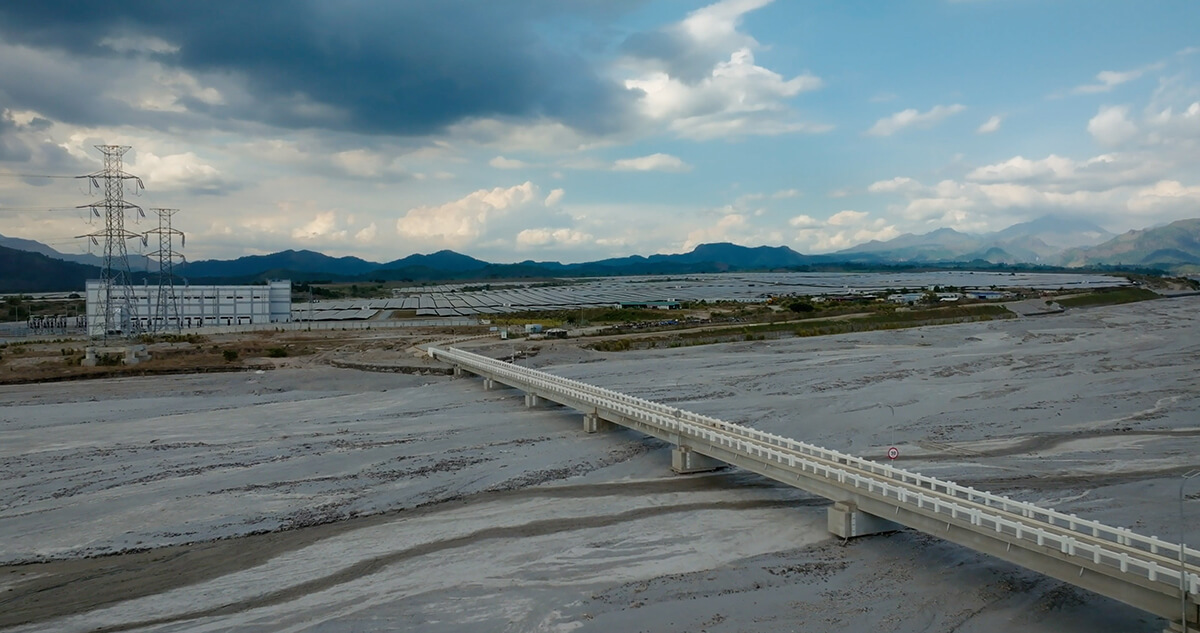
ACEN has also constructed approximately six kilometers of roads and bridges, significantly improving connectivity for remote indigenous communities that had long faced challenges in accessing schools, hospitals, and markets.
These new transport links have shortened travel times, expanded economic opportunities, and will continue serving local residents long after project construction is complete.
“At ACEN, we believe renewable energy projects should create value far beyond the electricity they generate," said Miguel de Jesus, managing director and COO for Philippine Development and Operations.
"In Zambales, we are not only building one of the country's largest renewable energy hubs—we're investing in infrastructure, creating local jobs, supporting indigenous communities, and strengthening the country's long-term energy security.”
Many of ACEN's renewable energy developments are located in rural areas where infrastructure and economic opportunities remain limited. Roads built to support project construction become vital community access routes. Skills developed during construction help strengthen the local workforce. Investments in clean energy become investments in community development.
The Zambales renewable energy hub also plays an important role in advancing the Philippines' long-term energy transition.
By harnessing indigenous renewable energy resources, the projects reduce dependence on imported fossil fuels, helping strengthen the country's energy security while protecting consumers from fuel price volatility and foreign exchange fluctuations associated with imported energy.
Once fully operational, ACEN's Zambales renewable energy projects are expected to avoid approximately 800,000 tonnes of carbon dioxide emissions annually—the equivalent of taking around 175,000 gasoline-powered cars off the road each year—while providing clean, indigenous energy that strengthens the country's energy security.
Together, the solar facilities, battery energy storage systems, transmission infrastructure, and community investments demonstrate how renewable energy can transform underutilized land into productive clean energy assets while delivering meaningful and lasting benefits to local communities.
As ACEN continues expanding its renewable energy portfolio, the Zambales projects stand as a model for how the country's clean energy transition can simultaneously strengthen energy security, support economic development, and help build a low-carbon future for the Philippines.
* * *
Editor’s Note: This article was provided by ACEN.

WATCH: Is Philippine cinema still thriving? (Generations Ep. 19)
September 2, 2026
WATCH: Pixar Summer Fest adventure at Hong Kong Disneyland
August 10, 2026