

Powering legacies: Electricity as an important foundation of a business
BrandedUp in partnership with

Businesses are built with the future in mind. Yet their legacy is not defined at the moment they are built—it takes shape over time through deliberate choices and sustained consistency before it is entrusted to the next generation.
Those choices are usually the visible, controllable ones: product, service, location, marketing, talent, and management. Sometimes, the most overlooked factor in building an enterprise is also the most foundational: the electricity that keeps everything functional.
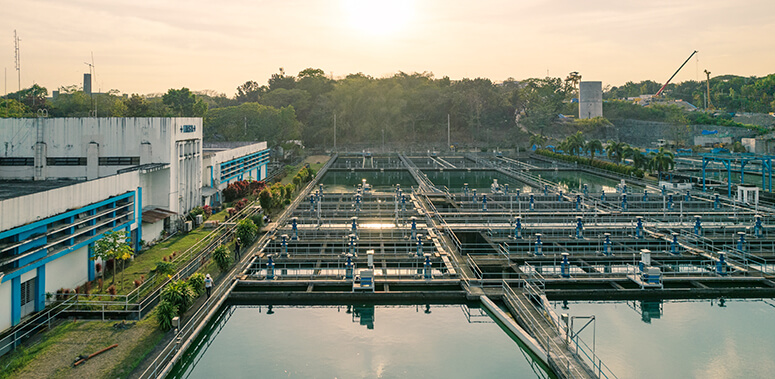
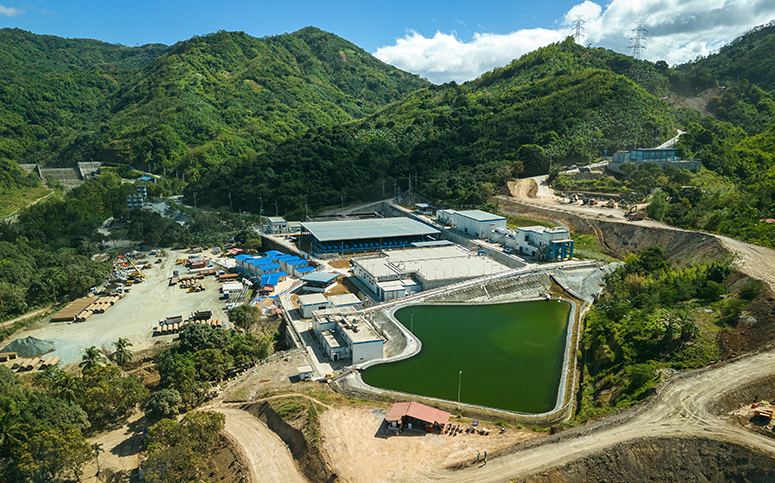
Most businesses in the Philippines—such as supermarkets, manufacturers, telecommunication towers, water utilities, and cold storage facilities—operate with reliable and dependable power.
This proves that power is the architecture beneath everything else, and the organizations that get it right tend to be the ones that last.
Always-on innovation
AdventEnergy, the retail electricity supply arm of Aboitiz Power Corporation, has spent over a decade building relationships with companies that understand this side of the business, guided by its Always-on Innovation philosophy.
CONTINUE READING BELOW

"At AdventEnergy, we do not just supply electricity or provide integrated energy solutions," said AboitizPower Head of Revenue Operations and AdventEnergy President James Yu.
"We understand the importance of strengthening the base of business continuity and the legacy that our customers are building."
Powering more than 1,000 facilities nationwide, AdventEnergy has been at the forefront of the competitive retail electricity market—a reform introduced through the Electric Power Industry Reform Act of 2001 that enables eligible customers to choose their electricity supplier based on their monthly kilowatt demand.
Beginning June 26, the eligibility threshold for Retail Competition and Open Access was lowered from 500 kilowatts to 100.
But understanding this freedom of choice is only the first step. AdventEnergy has always acknowledged that every business consumes power differently, and solutions must be customized around their purpose and operational needs. A legacy, like a load profile, is never one-size-fits-all.
Powering legacies across industries
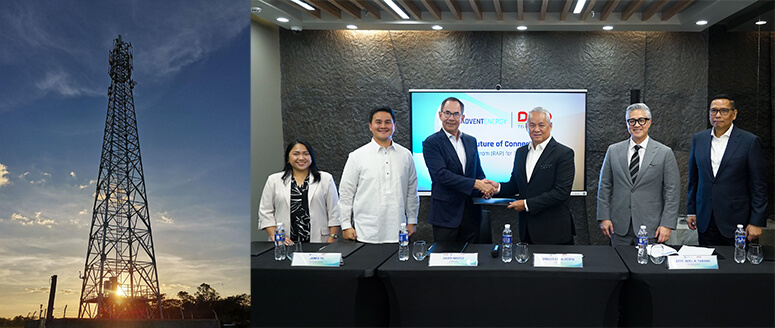
Whenever you pick up your phone and connect to DITO Telecommunity's 5G network, which serves more than 15 million subscribers, you are tapping into the promise of a reliable service.
Through AdventEnergy, 1,642 cell towers across Luzon now operate on dependable energy with a combined demand of 13.8 megawatts, powering the network end-to-end.
“Our partnership with AdventEnergy goes beyond a conventional energy supply agreement. It is an investment that will help keep millions of Filipinos connected, informed, and empowered,” said DITO Telecommunity President and Chief Executive Officer Eric R. Alberto.
At the same time, whenever someone from Metro Manila’s East Zone or Rizal Province turns on their tap, the water that flows through is, in part, made possible by the same type of partnership. Through AdventEnergy, Manila Water’s facilities in the aforementioned areas are powered by 100% renewable energy, with clean water being delivered through clean energy.
In choosing clean, reliable energy, Manila Water is not just managing operational costs; it is also making a statement about the kind of institution it intends to remain, long into the future.
“We take pride in this partnership. It truly makes a difference in the lives of our customers knowing that a water utility can work with a partner like AdventEnergy to deliver sustainable solutions that we have worked so hard to pursue,” said Roberto R. Locsin, Manila Water president and chief executive officer.
Elsewhere in the Philippines, AdventEnergy also supplies Cebu Water, Tagum Water, Calbayog Water, Laguna Water, Estate Water, LARC Water, Boracay Water, and South Luzon Water.
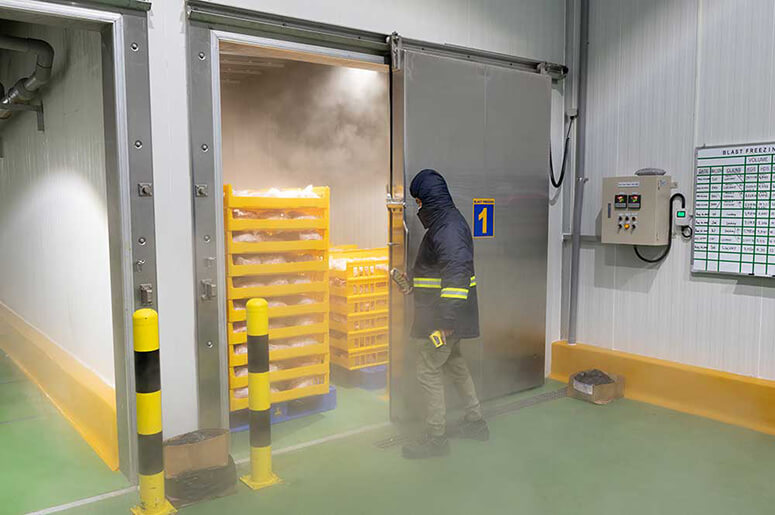
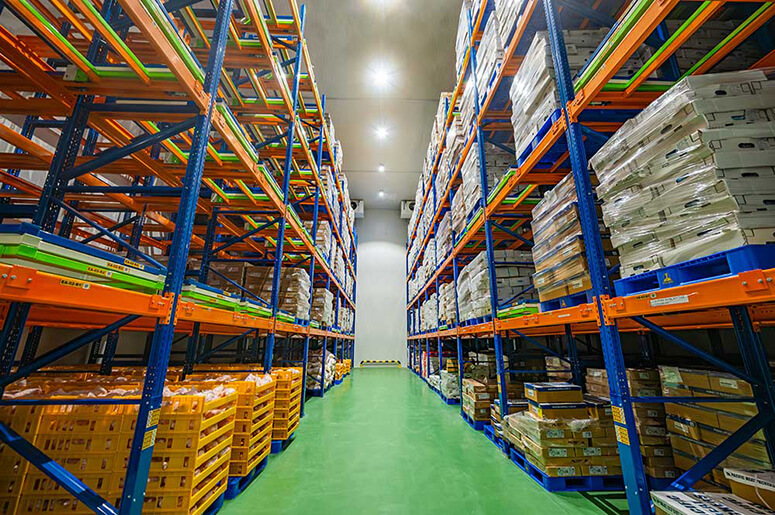
Another example is cold chain facilities, which support the food supply chain by preventing post-harvest spoilage and extending the shelf life of perishable goods. Without dependable power, a single power interruption can mean the difference between product quality and food loss.
Located in a one-hectare facility in Davao City, AdventEnergy recently secured an 896-kilowatt retail electricity supply contract with Viking Cold Storage Inc.
“Entering the retail electricity market gives us the confidence that our facility will have the reliable, competitive energy it needs to deliver for our clients,” Viking Cold Storage President Jimmy Ngo said.
The cold storage operators who invest in tailored solutions for dependable power today are building the infrastructure that helps prevent food waste and supports a stable supply in the years to come. Every kilowatt secured is a step toward a facility that does not break when it is needed most.
Aside from this growing portfolio of customers, AdventEnergy also powers businesses with deeply local roots, including the L'Fisher Hotel in Bacolod with 673kW of energy supply; Discovery Primea Hotel in Makati at 1.3MW; and two Skyrise Realty & Development Corporation buildings in Cebu at 732 kW and 585 kW, respectively.
Each deal supports the continued expansion of RCOA, following its implementation in 2013 in Luzon and the Visayas and in 2024 in Mindanao.
Legacy-building, wider than ever
These stories span industries, geographies, and scales, but they all share a common trend: making deliberate decisions early and securing power that could carry a business forward. Now, that decision is within the reach of smaller and medium-sized enterprises.
The Energy Regulatory Commission's decision to lower the contestability threshold of RCOA from 500 kW to 100 kW brings an estimated 11,988 additional potential end-users into the market.
This means more hospitals, regional malls, condominiums, manufacturers, educational institutions, and even aggregated households are now eligible to choose their own power supplier for the first time.
With an expanded market, more organizations now have the privilege to choose and control the type of enterprise they want to build. Moreover, as participants in the energy transition, they not only help power jobs and the economy, but they also contribute to sustainability and keeping the future bright for the next generation.
Choosing an energy supply is not just a matter of utility; it is one of the most significant decisions a business makes. It quietly determines how far operations can scale, how long a brand can endure, and how legacy-builders separate themselves from the rest.
* * *
Editor’s Note: This article was provided by Aboitiz Power Corporation.

WATCH: Do you still believe in marriage? (Generations Ep. 17)
August 19, 2026