

Amid oil supply disruption, PH launches petroleum R&D lab as part of broader energy strategy
Palawan is now home to a specialized hub designed to fuel the Philippines’ energy independence from the ground up.
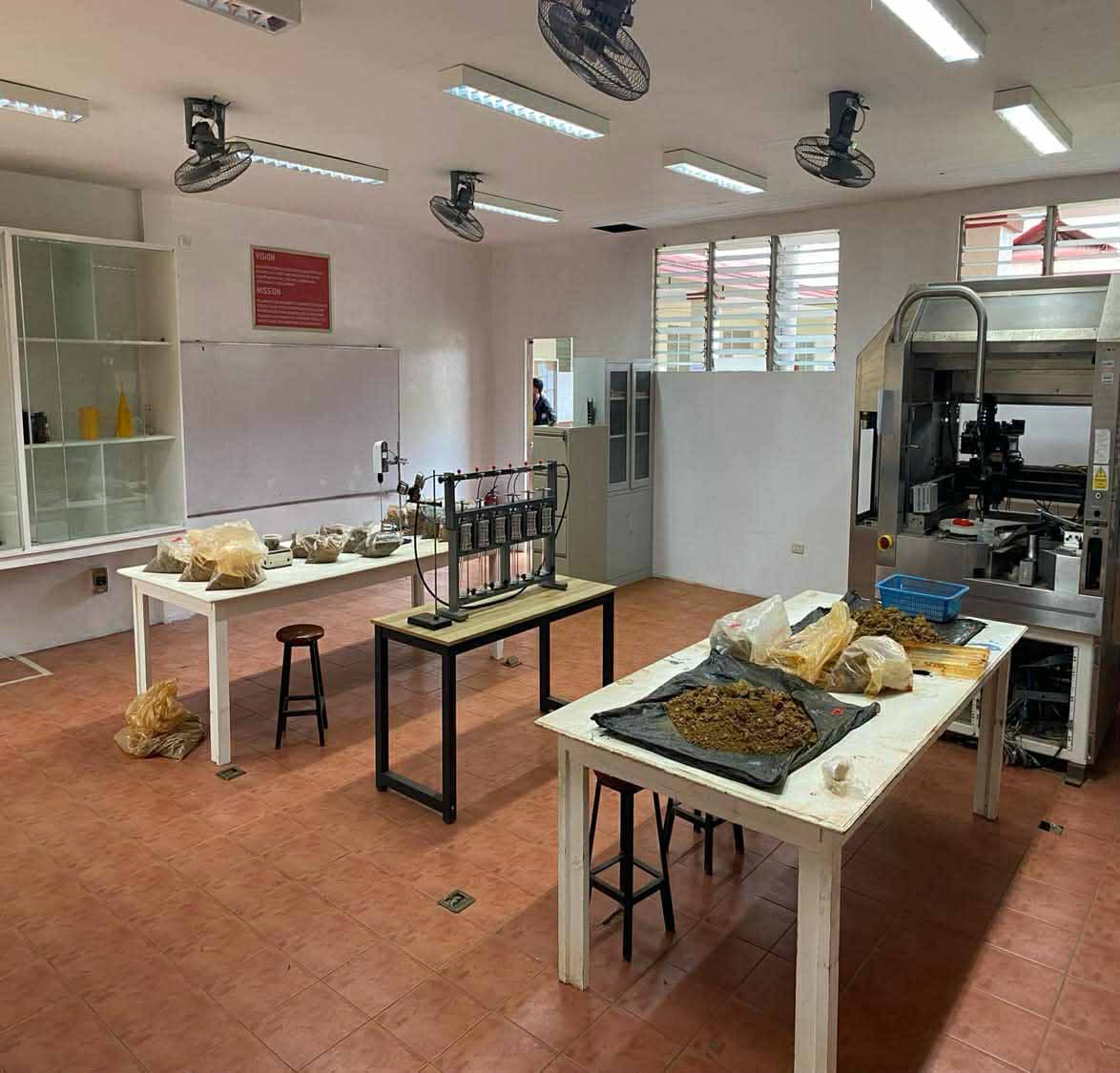
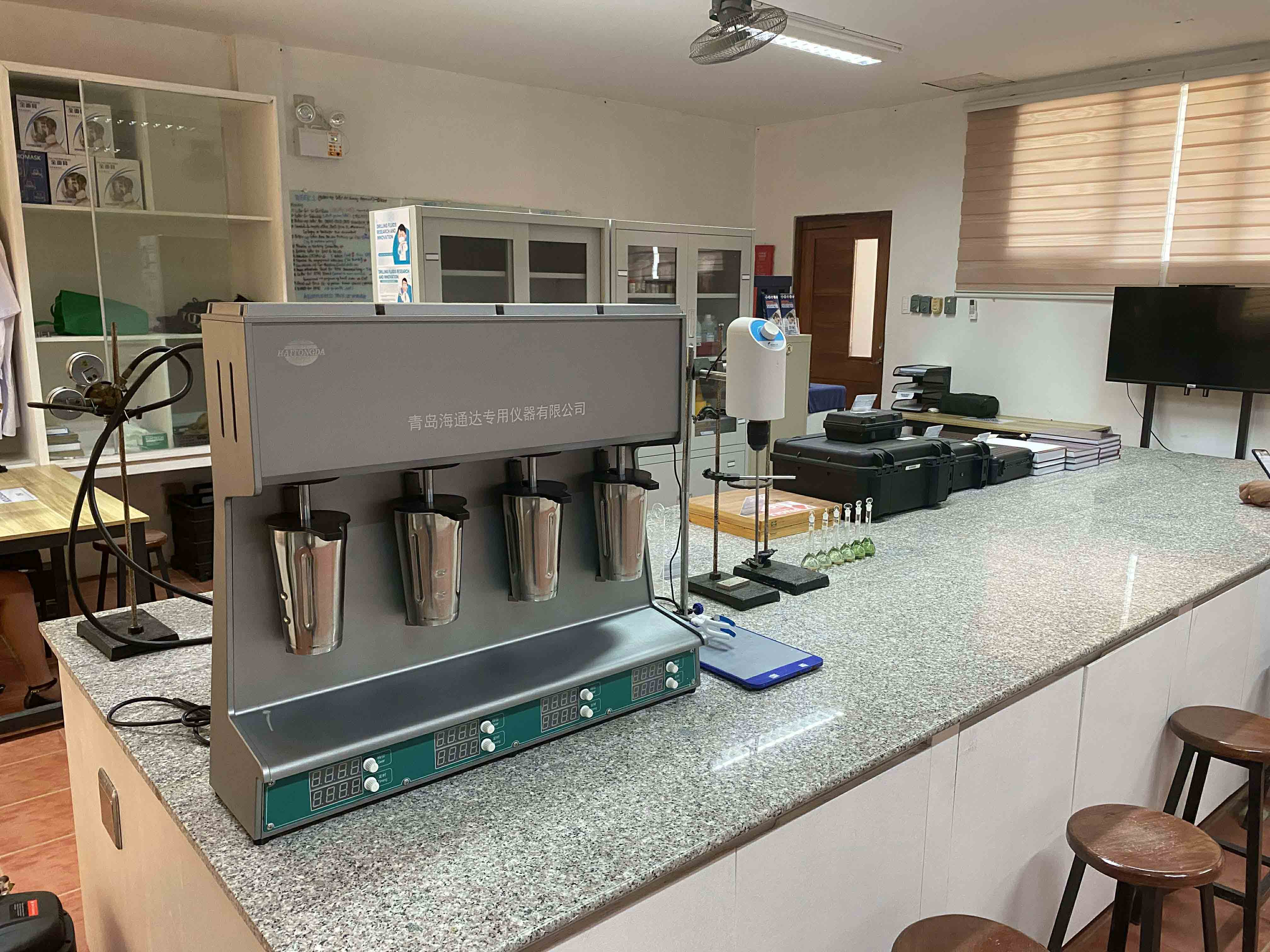
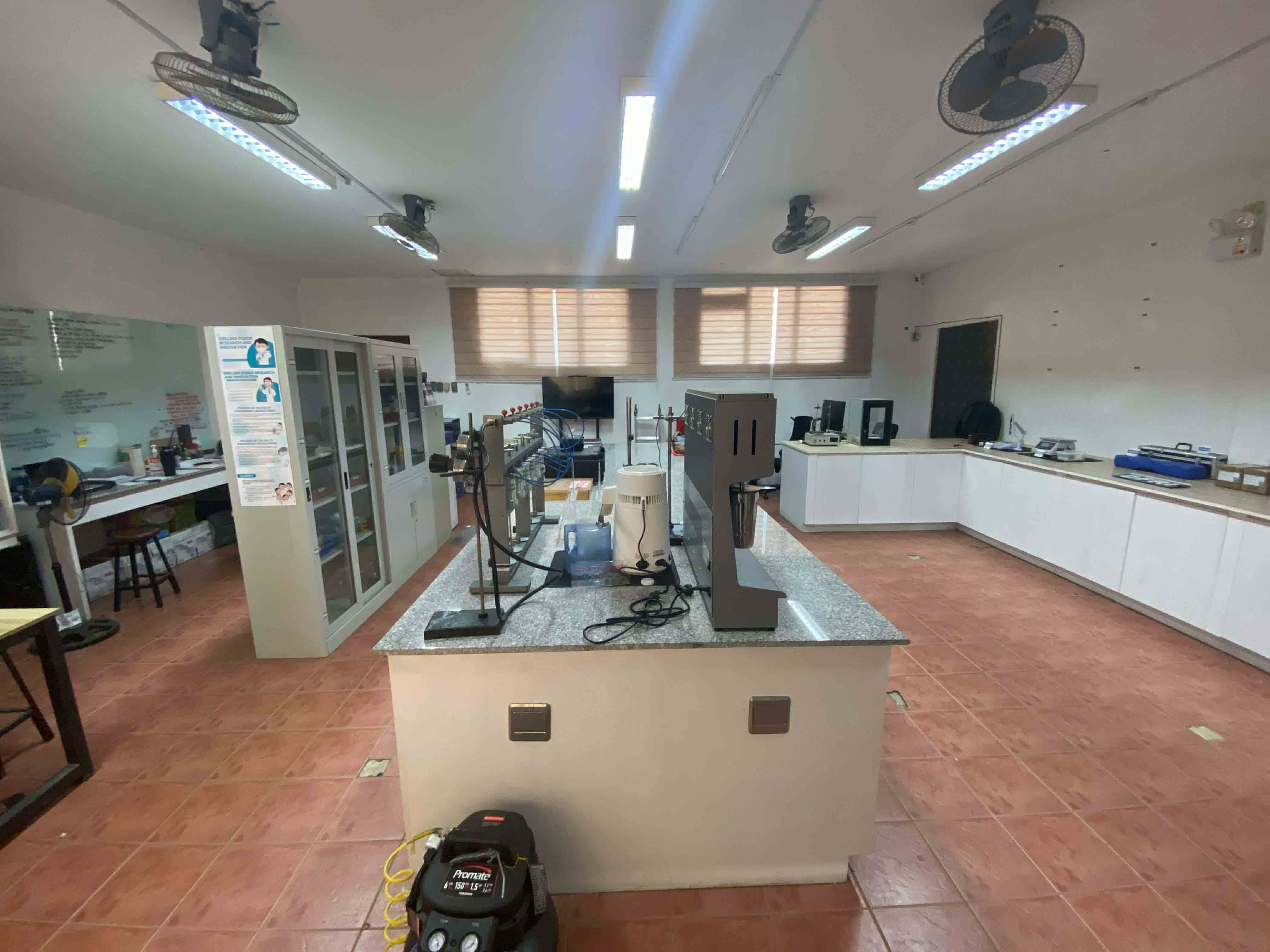
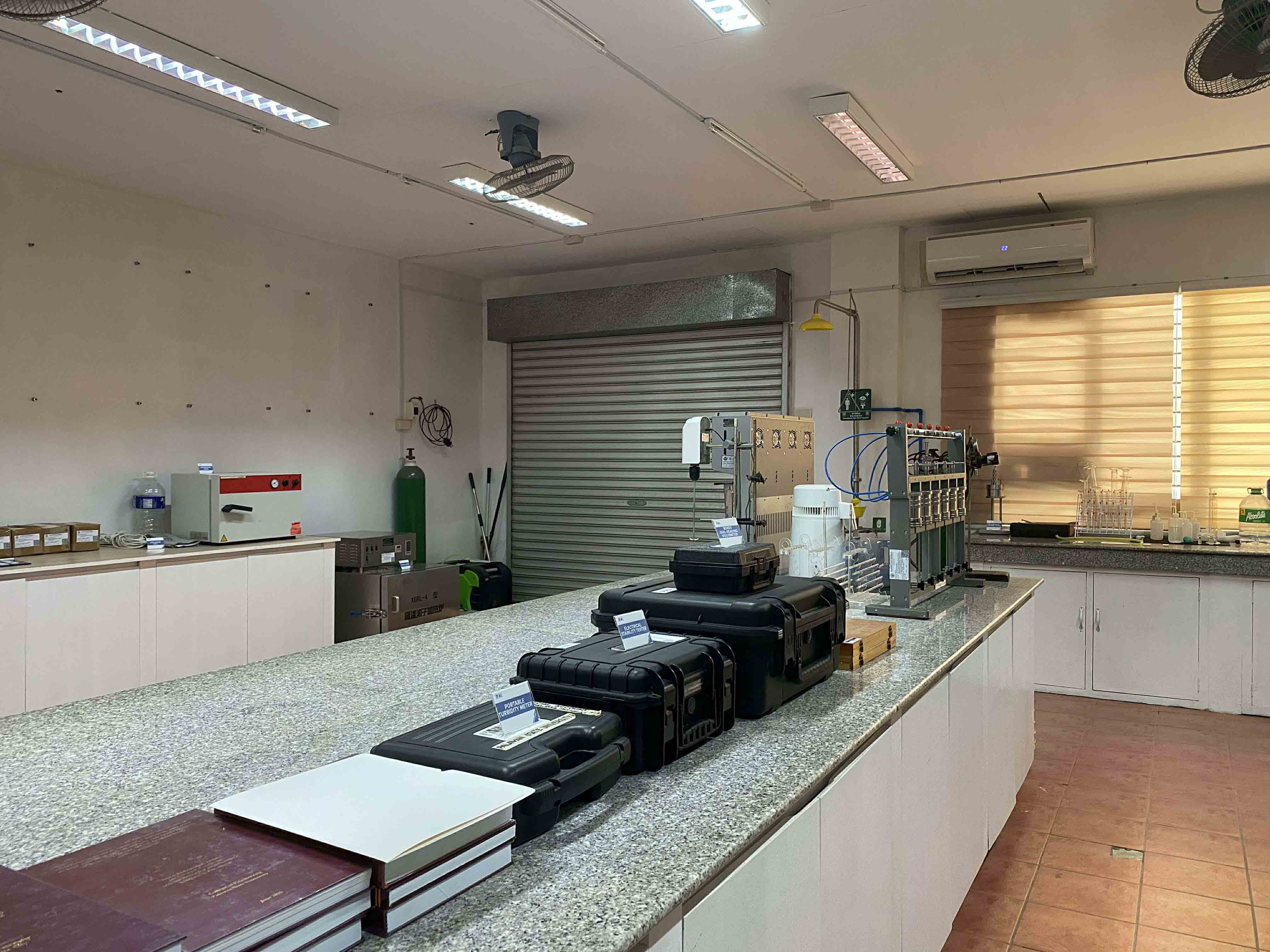
The Department of Science and Technology, through the Philippine Council for Industry, Energy and Emerging Technology Research and Development, and Palawan State University inaugurated the Drilling Fluids Research and Innovation Laboratory on March 25 at the university’s main campus.
Project leader Engr. Morlie Talimbay acknowledged that research on drilling fluids represents only an early stage in the broader petroleum value chain.
Drilling fluids, used to cool drill bits, stabilize wells, and transport cuttings, are essential during the drilling phase, but come only after initial exploration and assessment activities.
Talimbay said that in the overall process of extracting oil, this is just one part of a much longer chain, noting that upstream activities such as seismic studies and actual exploration fall outside the lab’s scope.
Supporting industry through R&D
DOST officials stressed that the agency’s role is to support the petroleum industry through science and innovation. They emphasized that its scope is limited to research and development, not actual exploration.
Instead, research outputs from the DFRI Laboratory are expected to assist industry players and inform agencies such as the Department of Energy, particularly in improving efficiency and reducing costs in drilling operations.
DOST-PCIEERD Deputy Executive Director Engr. Niñaliza H. Escorial said the laboratory was established in response to the country’s need to build its own capacity to explore petroleum resources, particularly in Palawan, where the Malampaya gas field is located.
“DOST really pushed for Palawan to be the country’s center for petroleum research,” Escorial said. “Karamihan ng resources, nakikita ng DOST na nandito.”
Escorial added that the agency initially sent scholars abroad to study petroleum engineering, with the goal of having them apply their expertise back in the Philippines. Talimbay is among the scholars who benefited from this program.
The agency later pursued the development of a laboratory focusing on a critical component of oil drilling and exploration: drilling fluids.
Accreditation key to industry collaboration
In the near term, Talimbay said the laboratory is working toward securing accreditation, a critical step that would allow it to formally engage with industry partners. Accreditation would enable the DFRI Lab to carry out recognized testing, validation, and collaborative research with oil and gas companies, helping bridge the gap between laboratory innovation and real-world application.
Talimbay expressed hope that government agencies such as the DOE could help connect facilities like DFRI with private industry players involved in natural resource exploration.
Despite hosting oil and gas resources such as the Malampaya gas field, the Philippines has historically had limited research output in petroleum engineering.
The DFRI Laboratory, funded by DOST-PCIEERD under its Institution Development Program, aims to address this gap by developing locally sourced drilling materials, including those enhanced through nanotechnology.
Researchers are currently studying nanoiron oxide and nanosilica additives, both byproducts of nickel mining, as potential alternatives to imported materials, with a focus on cost efficiency and environmental sustainability.
Balancing petroleum research with renewable priorities
Escorial stressed that the government’s push for petroleum research does not signal a shift away from renewable energy.
DOST continues to research and develop renewable energy technologies, but acknowledged that current global fuel uncertainties have underscored the need to strengthen all available energy options—including conventional sources.
“We have been exploring solar energy, and DOST has a partnership with the DOE in terms of renewable energy,” Escorial said. “We hope to expand collaboration—not just among R&D institutions or academe, but through a whole-of-government approach.”
Responding to present energy realities
As global energy markets remain uncertain, officials acknowledge that initiatives like the DFRI Laboratory are only one part of a much broader effort to secure the country’s energy future.
Still, they say, building local capability—even in specific segments such as drilling fluids—marks a necessary shift toward a more resilient and self-reliant energy sector, where science and innovation play a central role.