

Is a senator safe from arrest inside the Senate premises?
The Senate building has been receiving an inordinate amount of attention since senators convened for a plenary session early this week. In CCTV footage, NBI agents were seen running after Sen. Ronald Dela Rosa to reportedly serve an ICC arrest warrant against him over his alleged involvement in the extrajudicial killings under former president Rodrigo Duterte's drug war.
Dela Rosa showed up at the Senate following a five-month absence on Monday, May 11, the same day the senators unseated former Senate President Tito Sotto and replaced him with Sen. Alan Peter Cayetano ahead of the House's voting on the impeachment case of Vice President Sara Duterte.
The senator, who has been identified by the ICC as one of the elder Duterte's co-perpetrators in the latter's crimes against humanity case, was eventually placed under the protective custody of the Senate after his legal counsel asked the Supreme Court to intervene. In their filing, they sought the SC's "immediate judicial protection against what now appears to be a coordinated, three-layered enforcement strategy against him, despite the absence of any warrant issued by a Philippine court."
"Our prayer before the Supreme Court is direct: We sought again the immediate issuance of a Temporary Restraining Order and/or Writ of Preliminary Injunction prohibiting any arrest, detention, turnover, transfer, rendition, or surrender of Senator Dela Rosa without a valid Philippine judicial warrant," the Law Firm of Torreon and Partners said.
Can a senator be arrested within the Senate premises?
Addressing his colleagues from the rostrum after Dela Rosa evaded the NBI and slipped into the plenary hall, Cayetano said at the Monday plenary, "No senator was allowed to be arrested ever in the Senate premises."
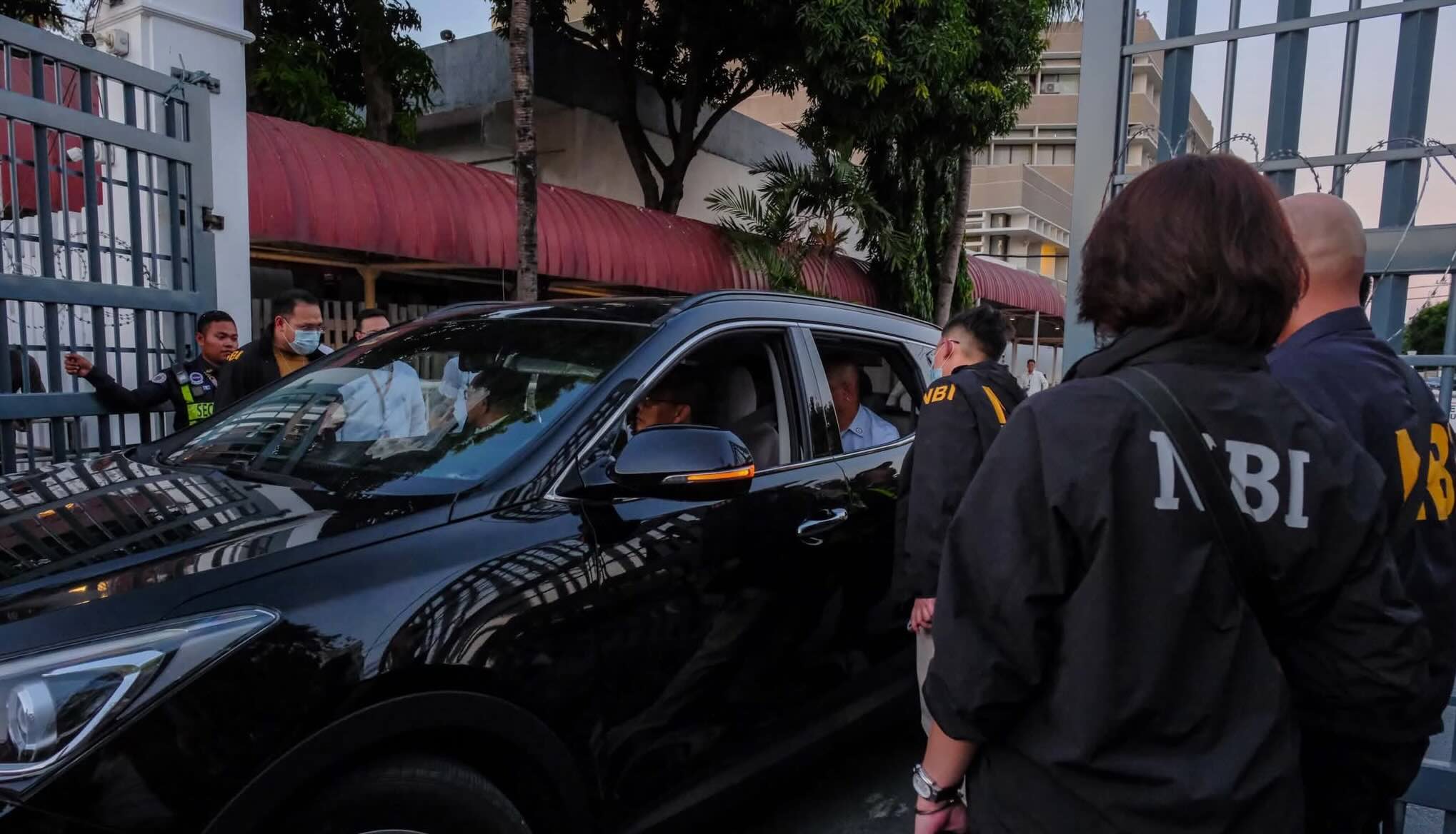

Contrary to Cayetano's claim, however, it wasn't the first time authorities came to arrest a sitting senator inside the Senate building.
"Anong pinagsasabi ni Alan Cayetano na wala pang naa-aresto sa loob ng Senate? Eh, ano 'to?" wrote former Sen. Antonio "Sonny" Trillanes IV in a social media post, sharing a video of his 2018 arrest inside the Senate building.
While the Senate was in session on Sept. 25, 2018, the PNP served an arrest warrant for rebellion against Trillanes, who was a senator then.
"The arresting PNP personnel read to me the Miranda rights while I was at the Executive Lounge beside the Senate Session Hall. Sumama ako sa mga pulis na nag-aresto sa akin," Trillanes wrote.
The year before, on Feb. 24, 2017, Rep. Leila De Lima, who was serving as a senator then, was also arrested inside the Senate on a warrant for drug trafficking charges.
In 2023, a Quezon City court upheld Trillanes' amnesty after charges against him were dismissed. A year later, De Lima was cleared of all charges.
Senate protective custody for Dela Rosa
Tony La Viña, a constitutional law professor at UP College of Law, told PhilSTAR L!fe that "there is no such thing as a Senate protective custody."
"That's an invention," he said. "Senator Bato can be arrested by the police or the NBI anytime in the Senate."
According to La Viña, there is no prohibition in the Constitution that prohibits the NBI or the Philippine National Police from entering the Senate building and forcibly arresting a senator.
In a social media post, former Far Eastern University Dean of Law Mel Sta. Maria wrote as much, giving several reasons why the senator can be arrested despite the said custody, including the fact that "[the Senate building] is not a fortress designed to protect erring people from authorities or a foreign embassy where Philippine Law has waived jurisdiction... This is a building where public interest demands that it not be used as a sanctuary for those people running from the law."
According to Sta. Maria, the Filipino people have rights over the Senate building as they are the ones who provide the funds either to maintain it or lease it. No senator owns it nor do they have any proprietary interest in the building.
Additionally, "There is no law expressly making the premises of the senate a safe haven for fugitives or those charged with the commission of a crime," he wrote. "This is a building where public interest demands that it not be used as a sanctuary for those people running from the law."
The nature of the crime specified in the ICC arrest warrant for Dela Rosa is also relevant. Sta. Maria stated the Constitution will not allow the arrest of a senator while the Senate is in session only if the penalty for the crime is below six years imprisonment. Republic Act No. 9851 dictates that "crime against humanity where death occurred is punishable by reclusion perpetua (40 years)," Sta. Maria wrote.
He added the NBI agents acted within their rights when they attempted to arrest Dela Rosa at the Senate. According to him, the Senate placing him in protective custody is obstruction of justice.
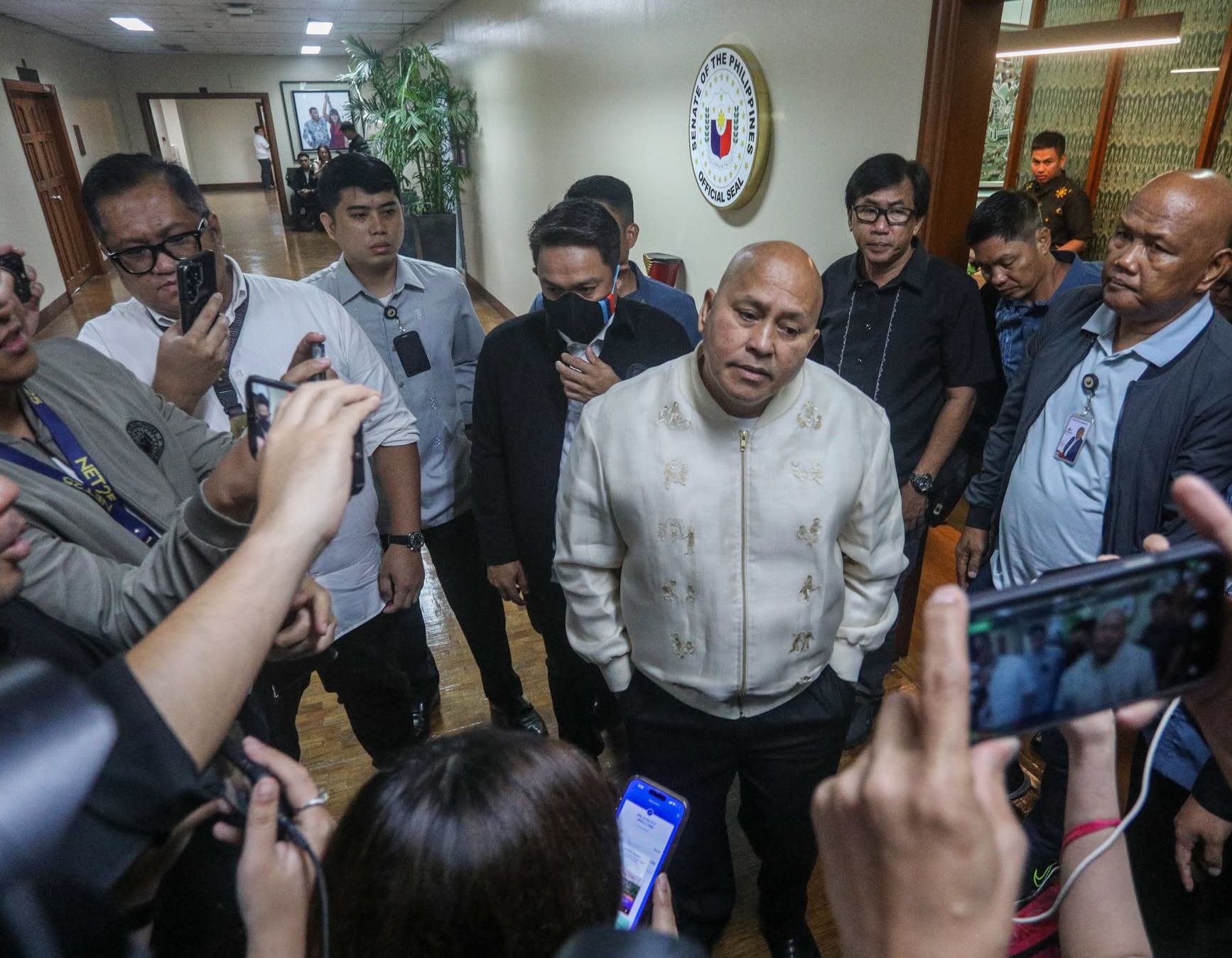
While La Viña conceded that there must be some form of respect between branches of government and their agencies, he said there are exemptions.
"That doesn't apply to criminal situations where a person is alleged [to have committed] crimes against humanity," he told L!fe.
"That's the highest crime you're being accused of. You cannot be protected by the Senate when you're accused of the highest crimes, crimes against humanity through murder," he said.
La Viña noted that it's an international criminal law issue and not a political issue, after all.
"This is not about the Senate. This is not about separation of powers," he told L!fe. "When a person gets accused of a very serious crime, you have to cooperate and get the prosecution off the ground."

WATCH: Save for retirement or enjoy life now? (Generations Ep. 21)
September 16, 2026
WATCH: LGBTQIA+ people with unlikely professions
June 28, 2026
WATCH: Pixar Summer Fest adventure at Hong Kong Disneyland
August 10, 2026