

Eating through Korea’s public markets
I must say, I still have a hangover from my trip to Korea. This is me, talking about my trip from almost six months ago. I’m not into K-dramas, K-pop or even the skincare culture.
What surprised me was that even after having returned to Manila, I was still craving Korean food. I never quite understood when people said that the food in Korea is different—different from what’s here, different from what we know. You’d think after returning from a trip one would want to have comfort food, yet I found myself endlessly scrolling my feed for Korean food.
I was immersed in watching cooking shows, cooking videos, tips on traveling to Seoul, looking up recipes and ingredients, and pretty much whatever the algorithm sent me. I was hooked and mindlessly listing down food stalls and more eats I didn’t get to try during the trip, until the wee hours of the morning.
Planning for the trip, I had no real agenda in mind, just a list of food I wanted to try. While my friends took care of the entire itinerary, all I wanted was to explore a public market and go through my eat list. So, here’s everything I ate at two of Seoul’s Public Markets:
Gwangjang Market
The first market we went to was Gwangjang market. Entering the market, I was overwhelmed with so much food I wanted to try. Barely got through the entrance and I already had food in my hands.
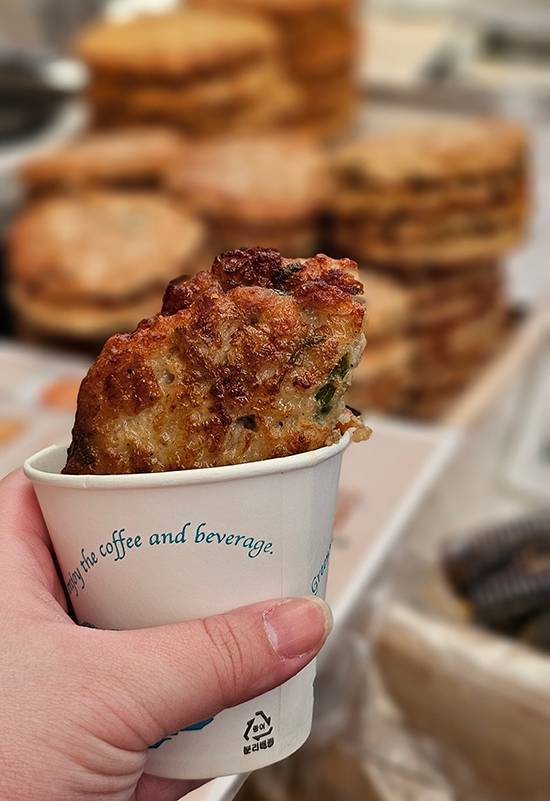
My first purchase was bindaetteok, the mung bean pancake with ground pork. The batter is made from soaked mung beans, freshly stone-ground on-site into a paste, mixed with ground pork, shallow-fried and served in a cup.
CONTINUE READING BELOW

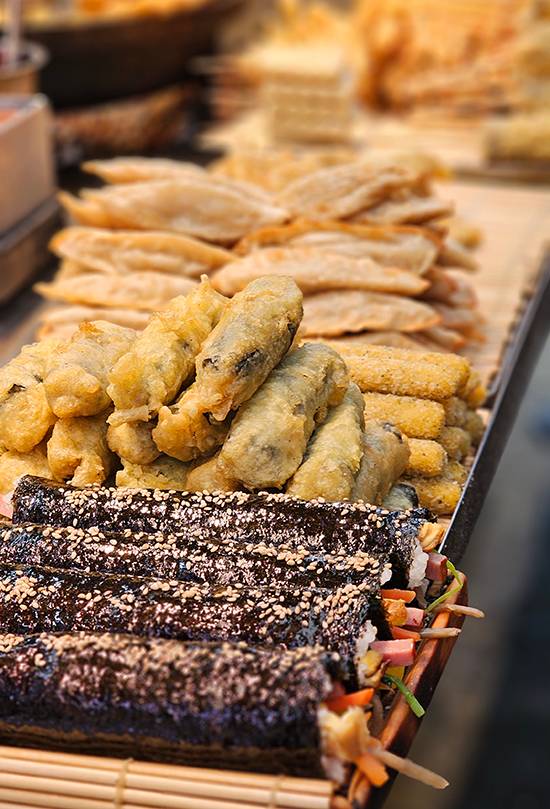
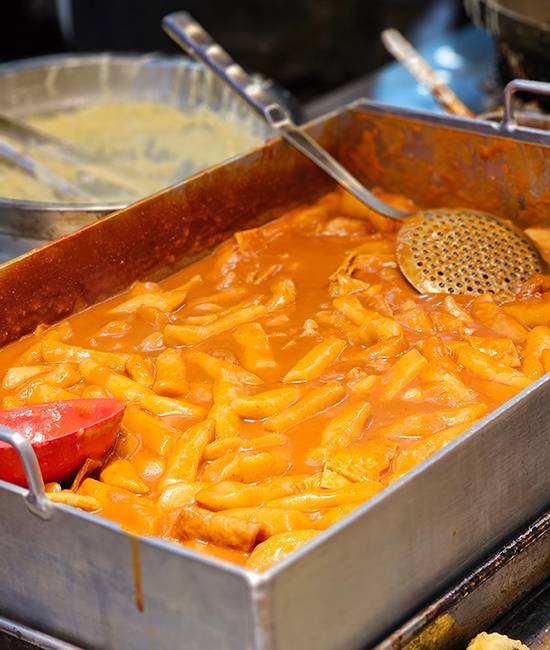
I found the rest of my friends at a stall nearby, seated with plates of mandu dumplings, tteokbokki and kimbap. Mandu is a dumpling that usually has pork or kimchi with pork as filling; some versions also have japchae. Tteokboki is a rice cake simmered in a sweet, spicy and savory sauce, sometimes with cheese, too. Kimbap, or seaweed rice rolls with vegetables, have an option to add a protein, whether seafood or meat, and are served in bite-sized pieces.
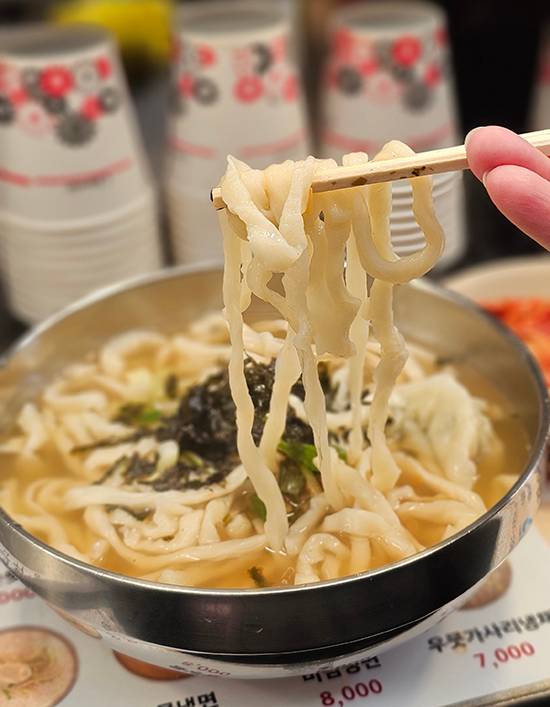
Next, we had the fish cake skewers in soup. The broth is traditionally made with seaweed, anchovy and radish. Then finally I settled on my main meal, a bowl of mandu kalguksu or knife-cut noodles with dumplings in a seafood broth. The noodles were made by hand and were perfectly chewy; and the soup was light and flavorful. For dessert, we had hotteok, or Korean sweet pancake with brown sugar, cinnamon and nuts filling. It is made of wheat flour and glutinous rice flour which makes it soft and chewy. They are cooked on a flat-top griddle to get that crispy surface. I tried to search for more savory versions of hotteok, specifically the ones with japchae or cheese as a filling, but maybe better luck on my next trip back.
Mangwon Market
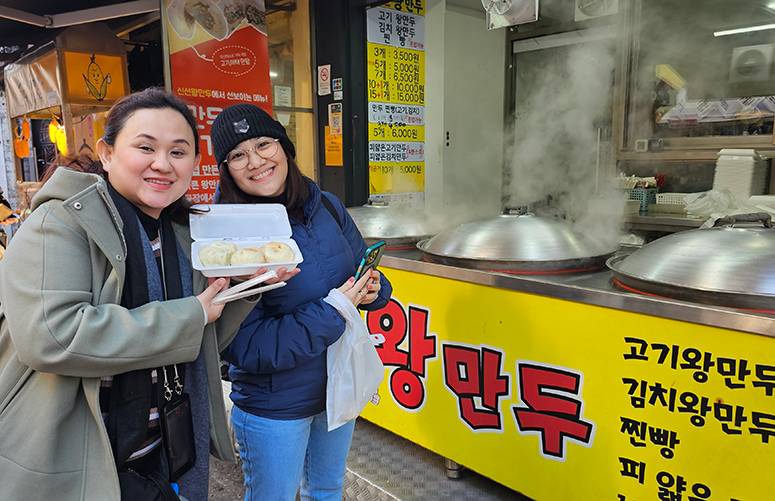
We headed to the Mangwon Market, yet upon exiting the subway, we were already eating. One street food stall was selling steamed buns with ground pork, pretty much what would be inside a mandu with a kimchi version as well. We had some of those. Plus, another stop was a food stall selling sweet corn. So we had a few of those as well. That’s right: appetizers, before hitting the main meal at the market. Haha!
The moment we made it to the market, it was on. Everyone was searching for what they wanted to eat. The selection was different compared to Gwanjang Market and it was much less touristy. At Mangwon, we were able to buy freshly roasted sesame seeds, sesame oil (ground right there at the market), red pepper flakes or gochugaru for cooking, both milk and spicy varieties. If we lived in Seoul, or had an apartment where we could cook, I would have loved to buy more and try more, seeing the quality of their produce and how affordable it was.
At one point, we just decided to divide and conquer and meet up in a cafe on the 2nd floor of the market. The cafe allows you to bring in food provided each person purchases a beverage. We had the spring onion kimchi and beansprouts as our banchan, grilled mackerel, raw marinated blue crabs, tteokboki, both the pork and kimchi mandus and fried chicken. I must say, these were the best mandus I’d had the entire trip, considering we had been having them every day. And for dessert, we had kkwabaegi, a Korean twisted donut made with wheat flour and rice flour to give it a light and fluffy interior but a crispy exterior that’s rolled in sugar.
Writing this article has made me want to go back even more and watching the second season of Culinary Class Wars hasn’t helped at all. I don’t do K-drama or K-pop but I know I’ll always look forward to K-eats.
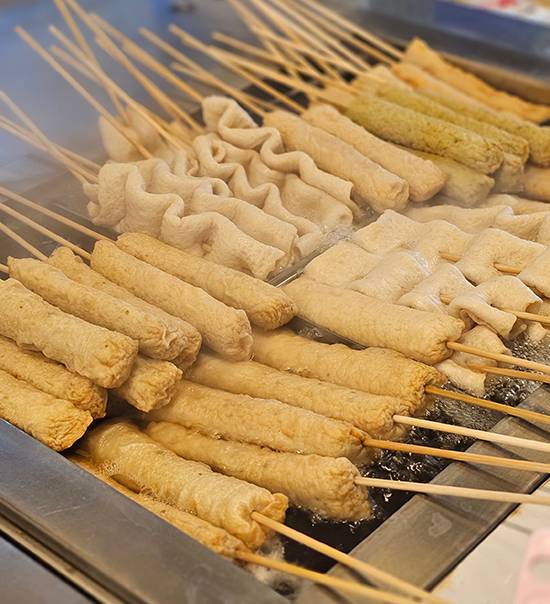
Fish cake skewers cooked in a soup that is traditionally made with seaweed, anchovy and radish.
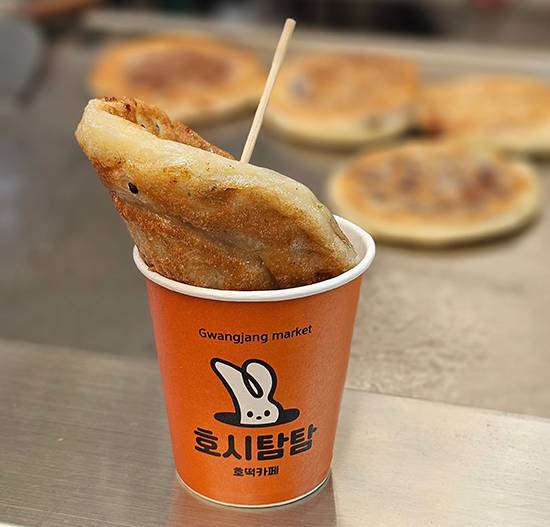
Hotteok, or Korean sweet pancake with brown sugar, cinnamon and nuts filling.
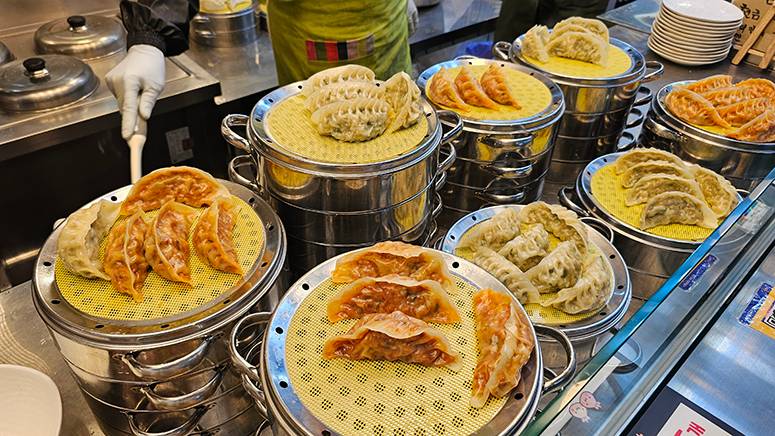
The best pork and kimchi mandus I had the entire trip can be found at the Mangwon Market.
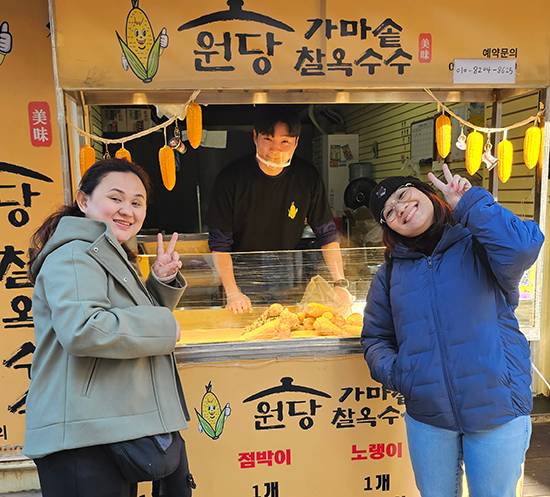
Second stop of the day: Sweet corn.
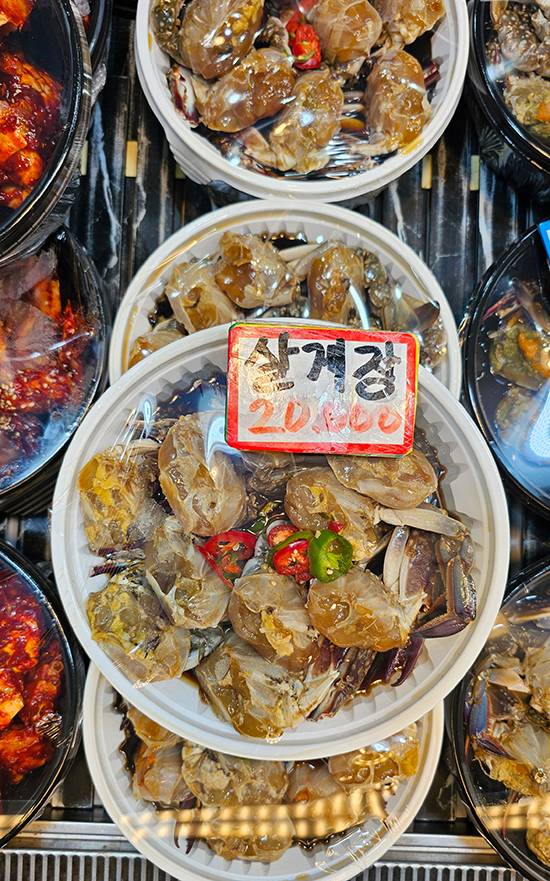
Raw blue crabs marinated in soy sauce, dried kelp, onion, garlic, ginger, apple, dried chili peppers, and rice syrup.
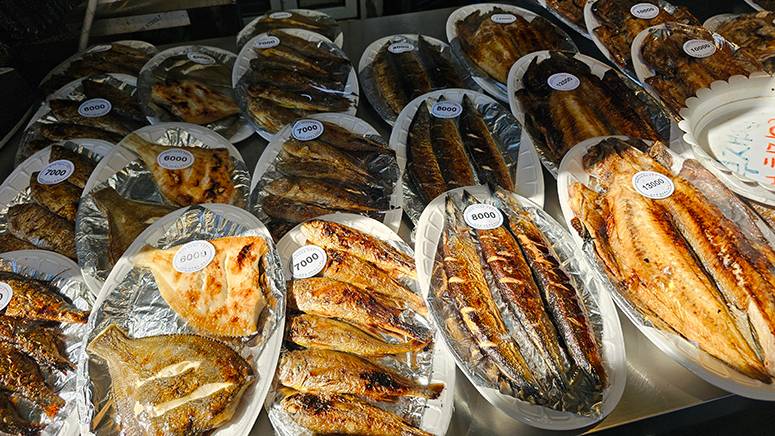
An assortment of grilled fish.
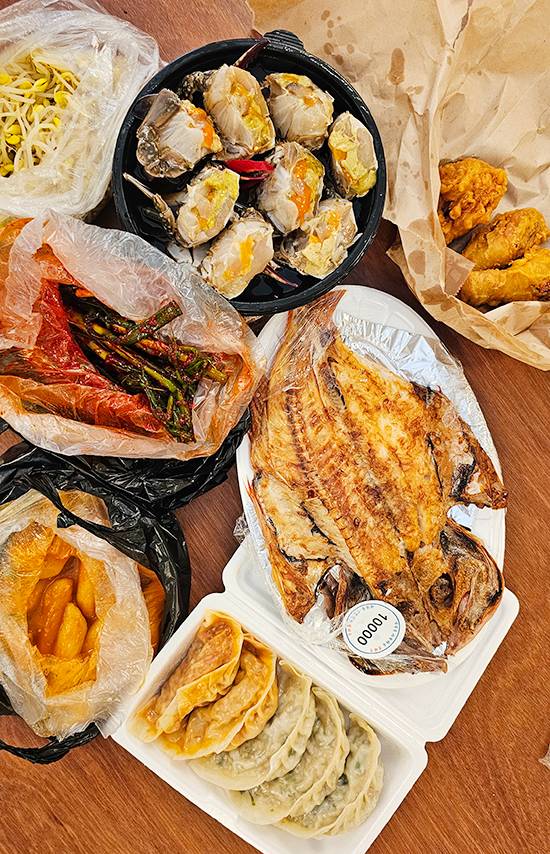
Almost everything we ate at Mangwon Market – spring onion kimchi and beansprouts as our banchan, grilled mackerel, raw marinated blue crabs, tteokboki, both the pork and kimchi mandus and fried chicken.
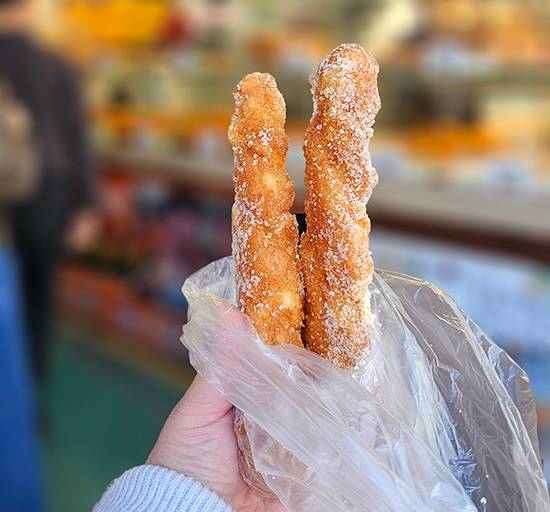
Kkwabaegi, a Korean twisted doughnut, with light and fluffy interior, crispy exterior that’s rolled in sugar.
Fish cake skewers cooked in a soup that is traditionally made with seaweed, anchovy and radish.
Hotteok, or Korean sweet pancake with brown sugar, cinnamon and nuts filling.
The best pork and kimchi mandus I had the entire trip can be found at the Mangwon Market.
Second stop of the day: Sweet corn.
Raw blue crabs marinated in soy sauce, dried kelp, onion, garlic, ginger, apple, dried chili peppers, and rice syrup.
An assortment of grilled fish.
Almost everything we ate at Mangwon Market – spring onion kimchi and beansprouts as our banchan, grilled mackerel, raw marinated blue crabs, tteokboki, both the pork and kimchi mandus and fried chicken.
Kkwabaegi, a Korean twisted doughnut, with light and fluffy interior, crispy exterior that’s rolled in sugar.
CLOSE

WATCH: Can you still trust someone who betrayed you? (Generations Ep. 22)
September 23, 2026
WATCH: Discovering Vietnam in three days
June 9, 2026