A toast before the bill changes
At Shangri-La The Fort, the grand ballroom had been arranged for movement rather than ceremony.
In place of banquet tables, lounge areas were scattered across the ballroom, low clusters where people sat briefly before drifting elsewhere, while food stations and bars lined the walls and kept everyone circulating. The setup suited the evening because hardly anyone from hospitality ever stays put, even during a celebration for them.
Chefs crossed the room with glasses in hand and were stopped every few steps by friends, collaborators, former colleagues, suppliers, diners, and people wanting a quick word before they disappeared into another conversation. Restaurateurs shifted from one cluster to another without ever finishing a full lap of the room. Bartenders, freed for once from standing behind their own counters, accepted drinks from others and looked almost amused to be served. Hotel people moved through the ballroom with that familiar alert grace from years of reading spaces.
This gave the annual Tatler Best more pulse than formal seating ever could.
Hospitality rarely comes from stillness anyway. Every successful dining room, bar and hotel depends on movement, adjustment, timing, and tiny corrections that happen before guests notice they were needed. That same instinct seemed to shape the evening itself.
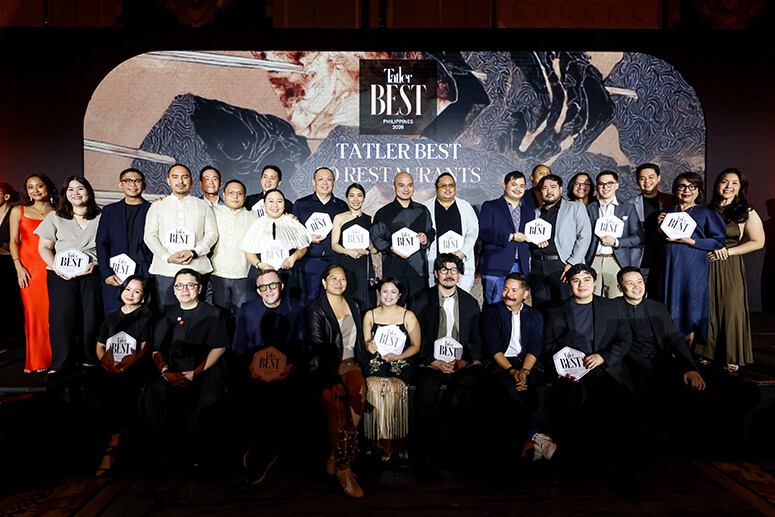
A gathering like this depends on someone understanding that hospitality should never stiffen into ceremony. Tatler Philippines managing editor Irene Martel Francisco has long understood that a gala should mirror the industry it celebrates, favoring a fluid, high-energy environment over rigid formality.
This instinct continues with Tatler Dining editors Isabel Martel Francisco and Lauren Golangco, whose work on Tatler Best avoids turning hospitality into a simple competition. Their curation acknowledges excellence through a selection of the 20 best restaurants, bars and hotels, a limit that avoids forcing very different experiences into artificial combat. I would never know how to compare lunch at East Ocean Palace with dinner at Iai or Tsukiji, or how Crosta and Big Fuzz answer entirely different moods. This is precisely why the list works better unranked. What matters is character, consistency, and whether a place still persuades after the novelty has worn off.
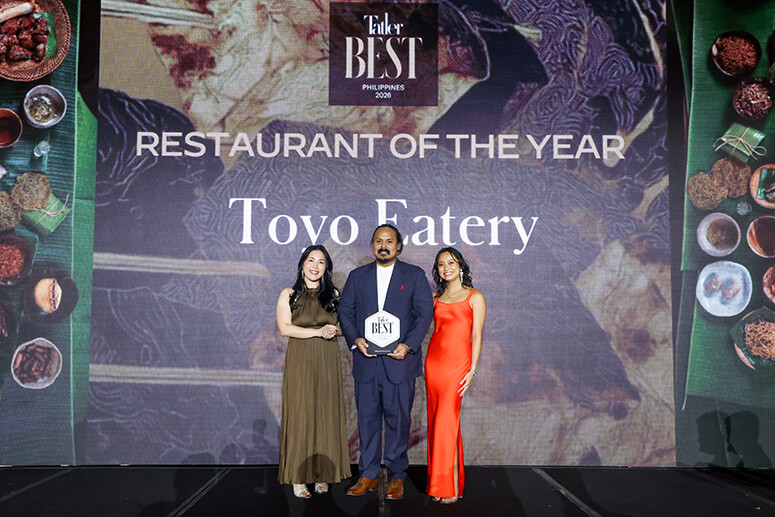
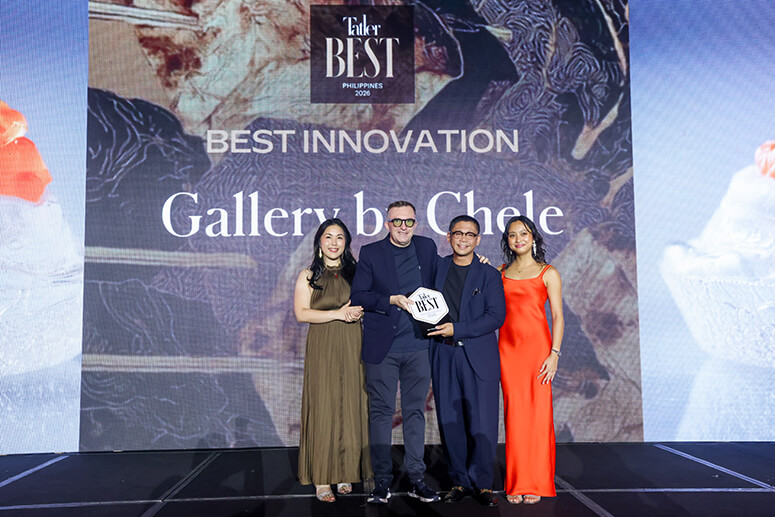
Toyo Eatery receiving Restaurant of the Year felt entirely deserved. Few restaurants now influence the conversation beyond their own dining room as persistently as Toyo has. Celera, meanwhile, taking Best New Restaurant suggested confidence in younger kitchens prepared to define themselves early. At Gallery by Chele, Best Innovation confirmed that technical curiosity matters more when backed by coherence. Medusa at The Palace being cited for design recognized how strongly a room now shapes expectation before the first course appears. Inatô receiving Best Service pleased me because service remains the hardest thing to sustain night after night.
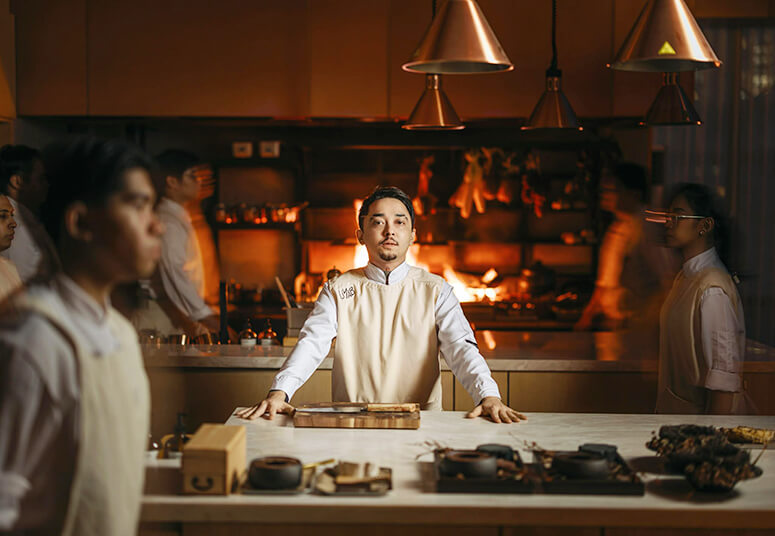
I was especially glad when Charles Montañez of Liyab was named Rising Star. This category often reveals where energy is gathering before a broader consensus forms. In this case, the choice felt almost prophetic. Liyab relies on open-fire cooking, a choice that now acquires fresh, practical resonance as fuel costs grow less predictable. Managing a hearth demands sensory control that no machine fully replaces. It is a practical shift toward a more self-contained way of working.
When I later asked how the moment felt, Charles admitted he had not expected it. “I’m still reflecting on whether I truly deserve it,” he said. “But then I think about the hard work my team and the people around me have been putting in, and I realize this recognition is just as much theirs as it is mine. Recognition means the most when it keeps us humble and grounded.”
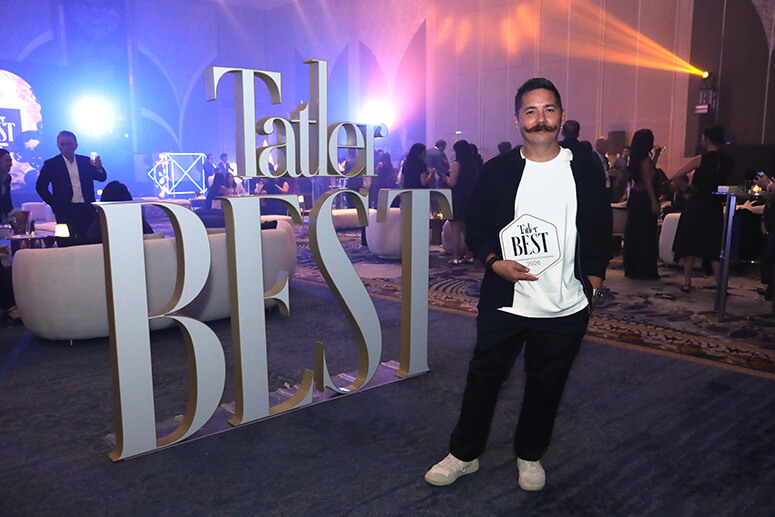
Wider restaurant citations reflected how varied local dining has become. A Mano continues to understand pleasure without overstatement. Hapag still handles memory with admirable restraint. Metiz and Helm by Josh Boutwood each insist, through entirely different methods, that Manila now dines with remarkable precision. At Helm, Boutwood remains a restless, intentional presence. His approach feels less like conventional cooking than a disciplined series of questions, each menu testing how far flavor can be clarified without becoming self-conscious.
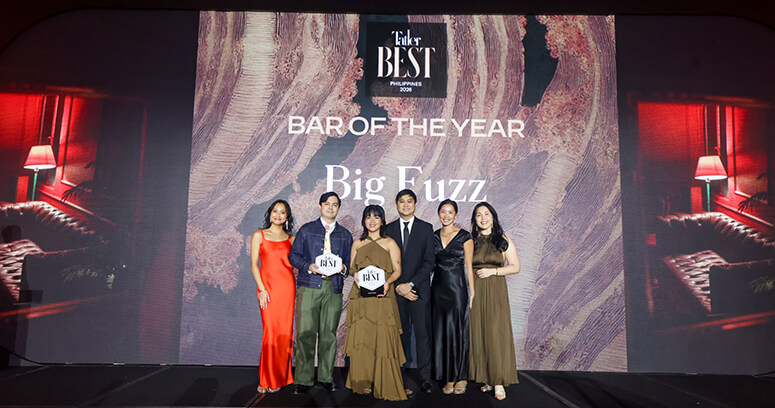
The bars brought another kind of vitality. Big Fuzz as Bar of the Year made immediate sense because technical competence alone never explains why a bar develops loyal gravity. Personality matters just as much. Problem Child, named Best New Bar, carries that younger confidence many drinkers currently reward. Recraft taking Best Innovation suggested how much experimentation local cocktail culture now tolerates and even expects. No Entry received Best Design, while David Abalayan there took Rising Star, another indication that bars now produce signatures people recognize almost immediately. Ito, recognized for service, reminded everyone that memory and timing still matter as much as invention.
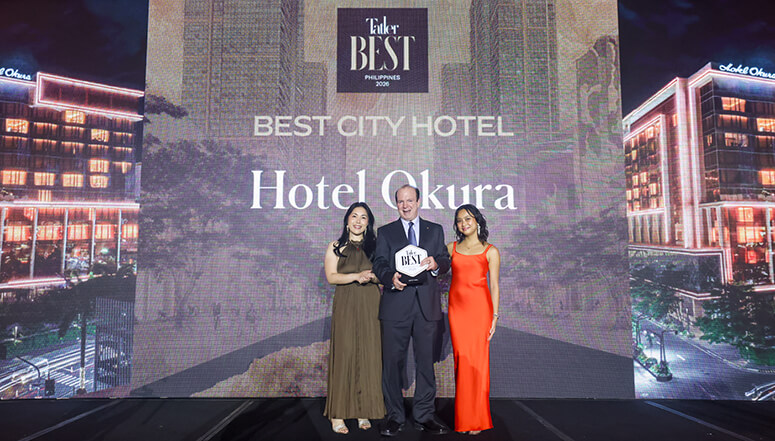
The hotel citations completed the evening’s portrait of hospitality. As the host of the gathering, Shangri-La The Fort, Manila was named Hotel of the Year. Hotel Okura Manila was recognized as the Best City Hotel, while The Henry Hotel Manila took Best Boutique Hotel, and Conrad Manila was cited for the city’s Best Hotel Spa.
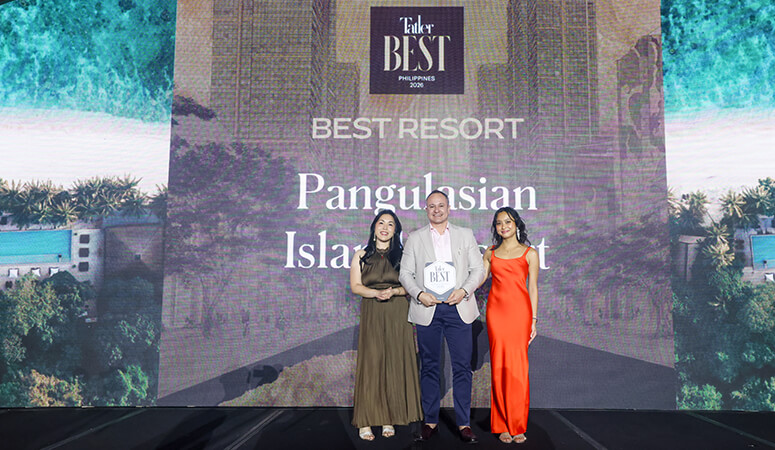
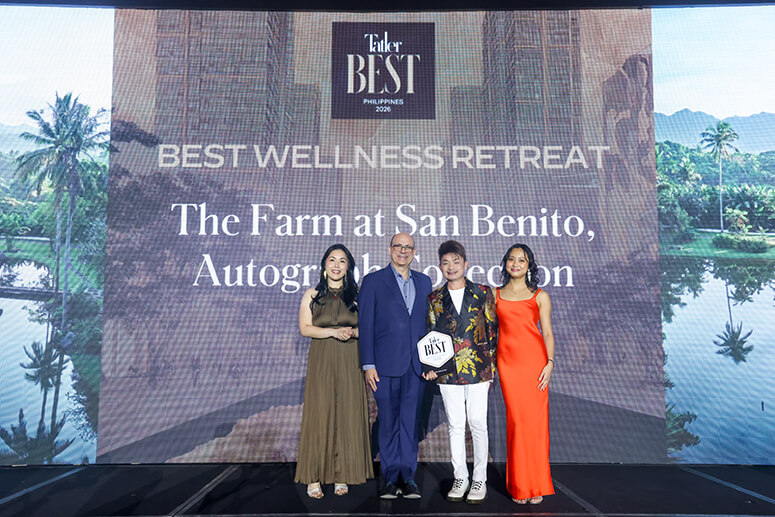
From there, the awards moved outward, from city addresses to places people travel toward precisely to disappear for a while. Amanpulo received the award for Best Service, and Pangulasian Island Resort was named Best Resort. Nay Palad Hideaway was recognized as the Best Destination Hotel, with Shangri-La Boracay taking Best Family Hotel. The Farm at San Benito continued its streak as the Best Wellness Retreat.
Even while people applauded, another thought stayed near me all evening. Hospitality people understand faster than most how quickly pleasure becomes vulnerable when the larger world turns uncertain. The Middle East conflict may seem geographically distant, yet fuel reacts almost immediately, imported costs shift, flights become harder to price, and consumer habits start changing early before official forecasts catch up.
A larger crisis often first appears as a minor adjustment. A reservation is canceled. A trip becomes shorter, or is postponed without decision. A second bottle no longer seems necessary.
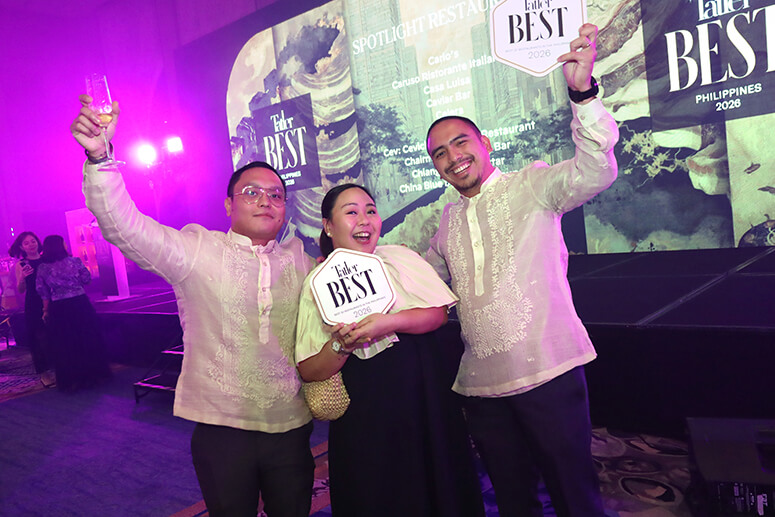
Chef Kevin Navoa, Erin Recto, and Thirdy Dolatre
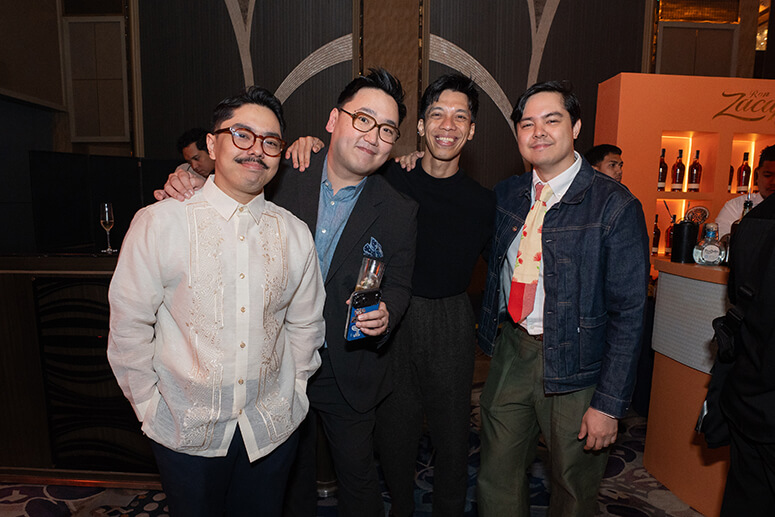
David Abalayan, John Park, Lester Ligon, Kyle Quismundo
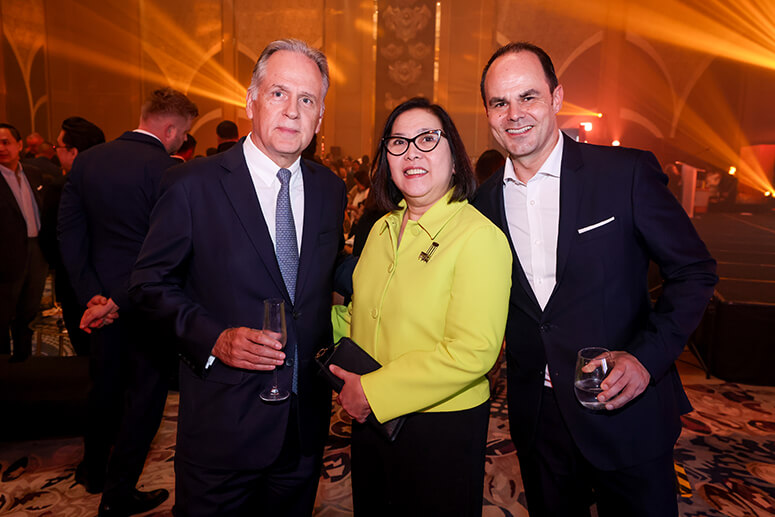
David Batchelor, Joy Wassmer, and Sebastian Kellerhoff
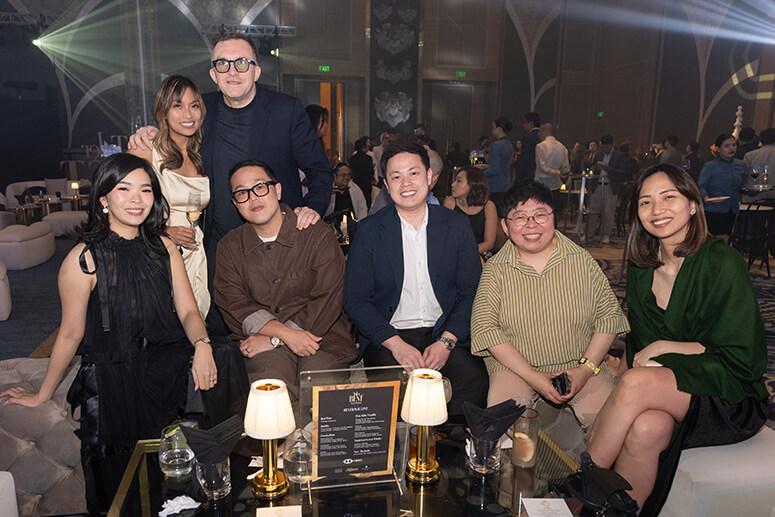
Pamela Go, Patrick Go, Terri Echiverri- Gonzalez, Chele Gonzalez, Alex Tan, Meg Koh, and Mikee Lopez Tan
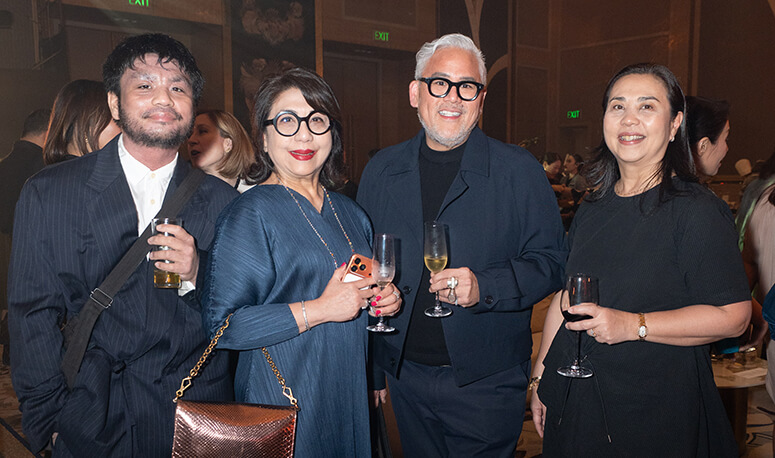
Javier Pimentel, Popsie Gamboa, Rajo Laurel, and Gina Pimentel
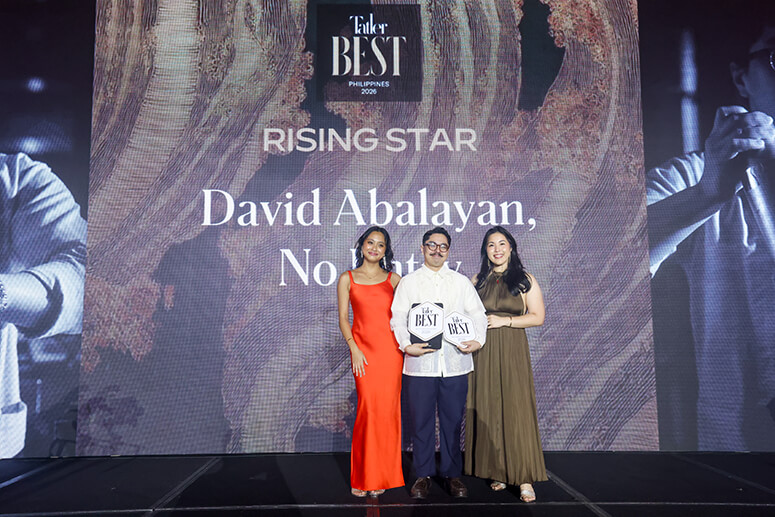
Rising Star • Bar-David Abalayan, No Entry
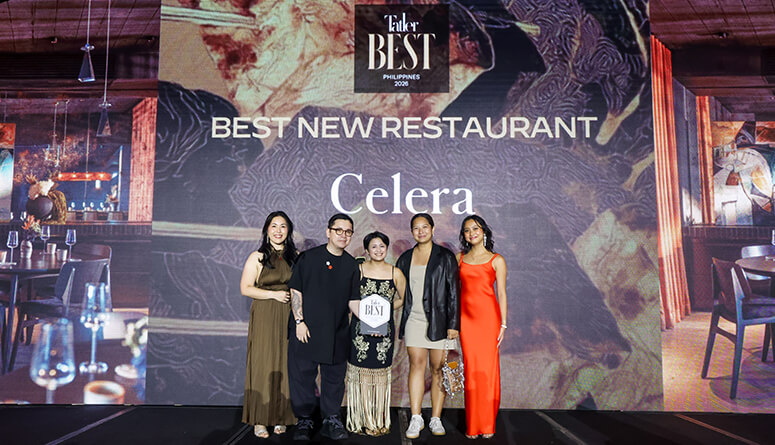
Best New Restaurant-Celera received by chef Nicco Santos, chef Quenee Vilar, and Pam Begre
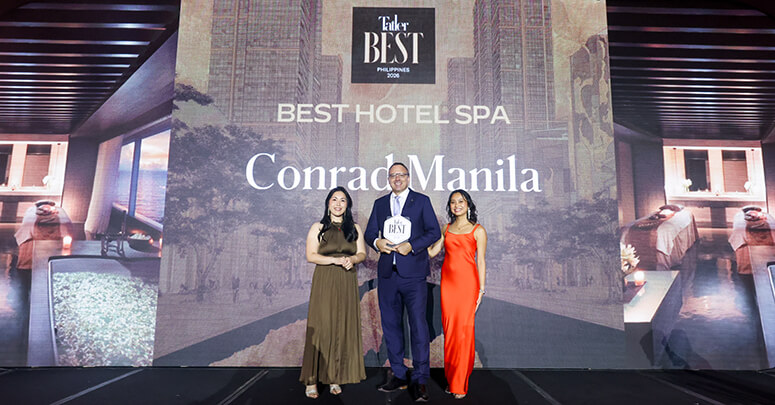
Best Hotel Spa- Conrad Manila, received by Rupert Hallam
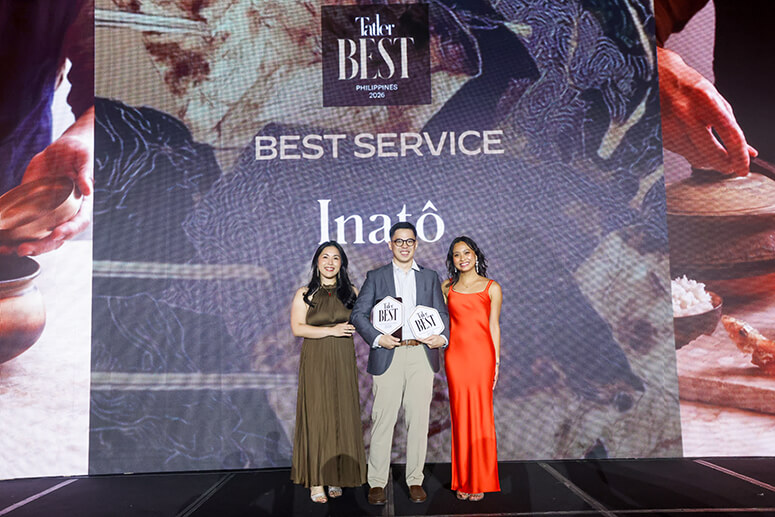
2026 Best Service • Restaurant- Inato, received by Paulo Achacoso
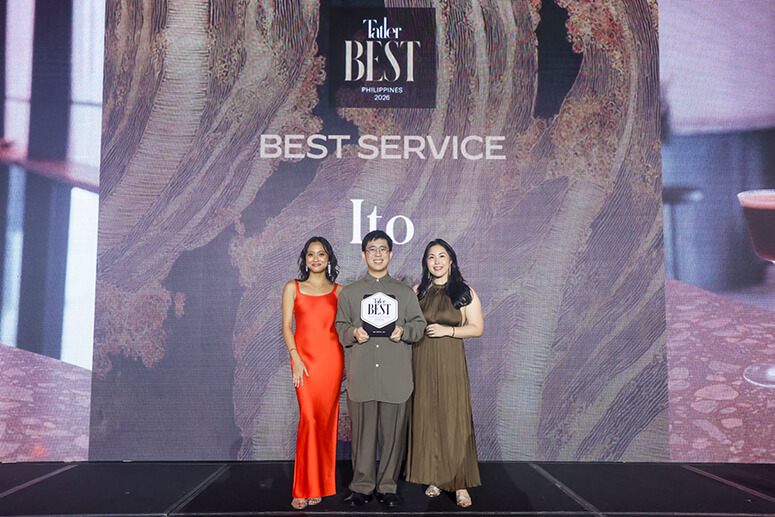
Best Service • Bar - Ito, received by Niko Tiutan
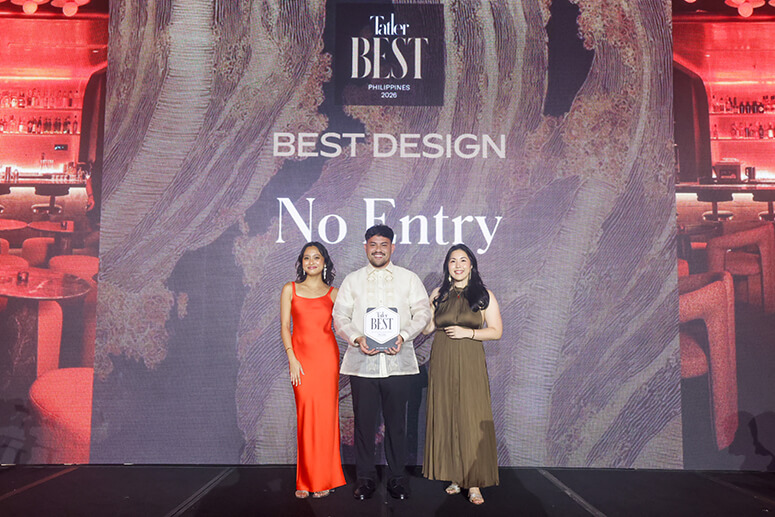
Best Design • Bar-No Entry, received by Marco Baluyut
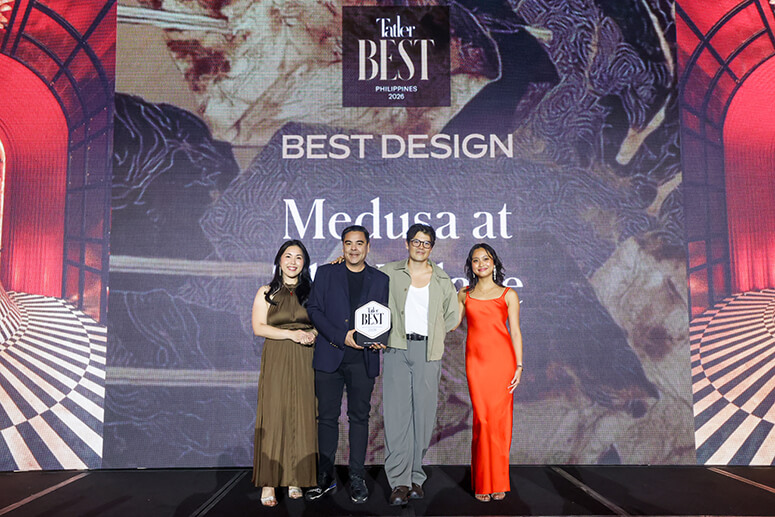
Best Design • Restaurant-Medusa at the Palace, received by JM Rodriguez, Erwan Heussaff
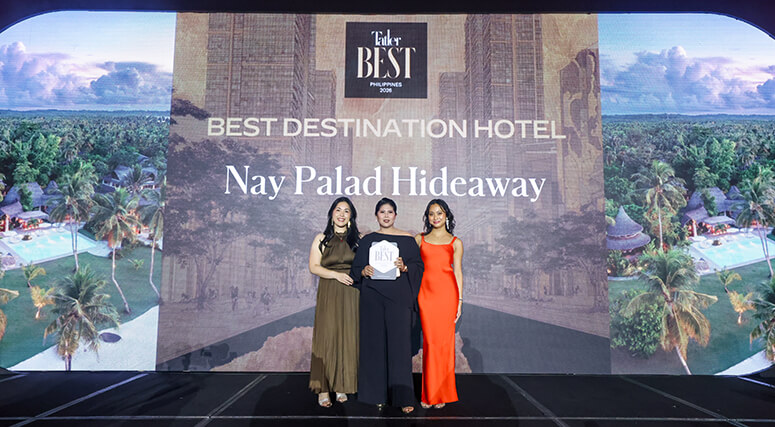
Best Destination Hotel-Nay Palad Hideaway, received by Carla David
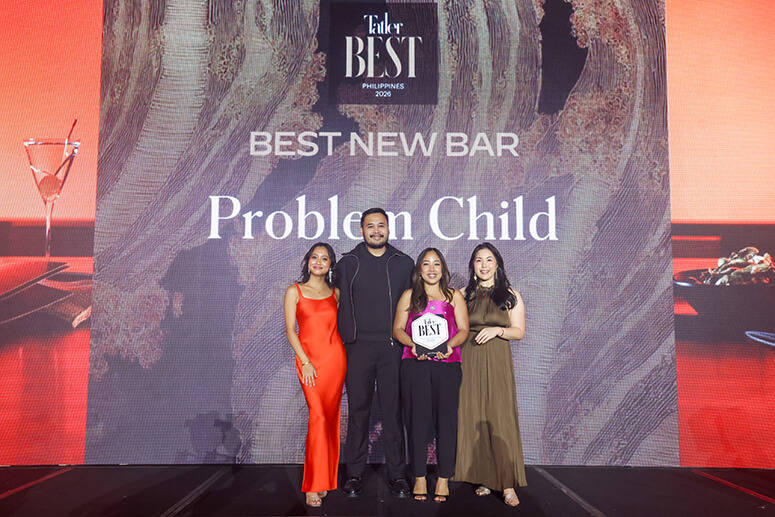
Best New Bar-Problem Child, received by Patrick Leyble and Wendy Esteban
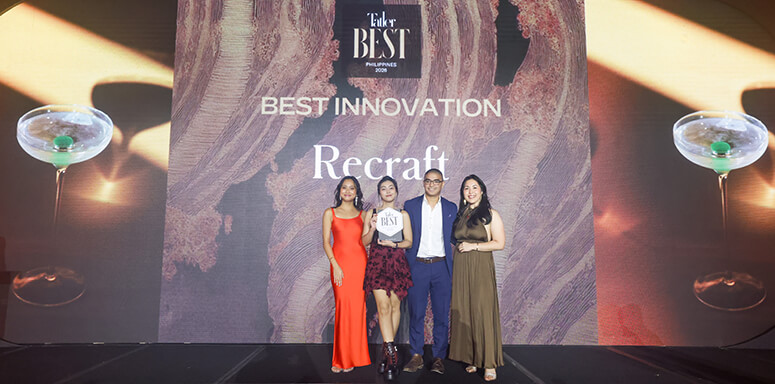
Best Innovation • Bar-Recraft, received by Aira Joyce de Leon and Cedric Mendoza
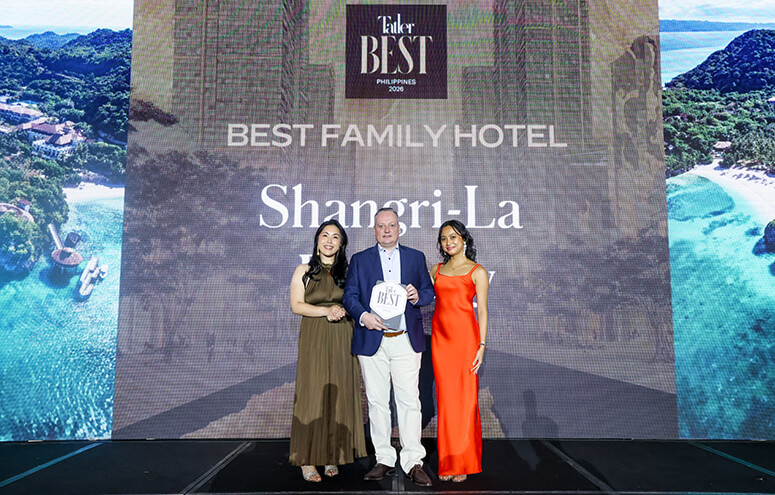
Best Family Hotel-Shangri-La Boracay, received by Hans Martin Gfrei
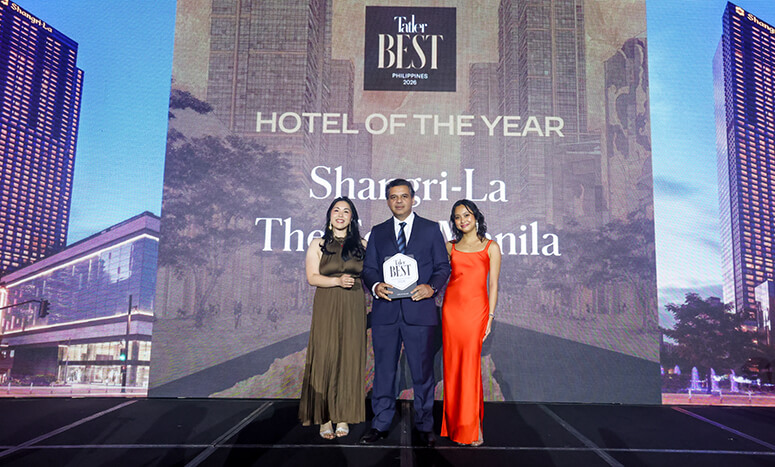
Hotel of the Year-Shangri-La the Fort, Manila, received by Amit Oberoi
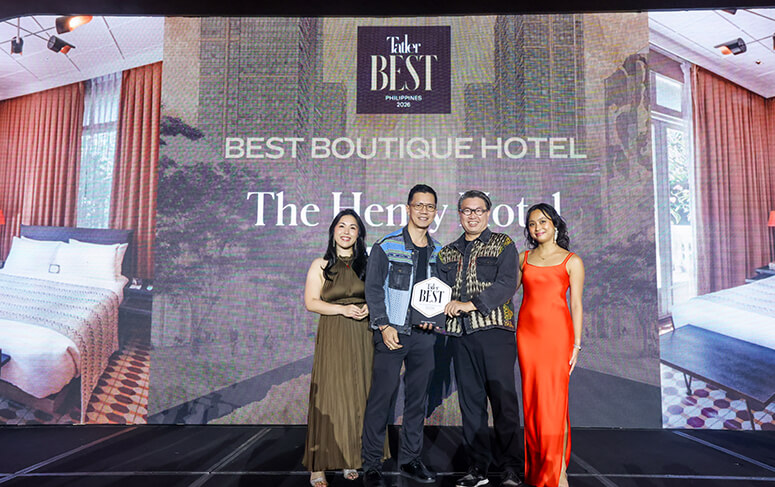
2026 Best Heritage Hotel-The Henry Hotel, received by Jing Castalla and Hanky Lee
Chef Kevin Navoa, Erin Recto, and Thirdy Dolatre
David Abalayan, John Park, Lester Ligon, Kyle Quismundo
David Batchelor, Joy Wassmer, and Sebastian Kellerhoff
Pamela Go, Patrick Go, Terri Echiverri- Gonzalez, Chele Gonzalez, Alex Tan, Meg Koh, and Mikee Lopez Tan
Javier Pimentel, Popsie Gamboa, Rajo Laurel, and Gina Pimentel
Rising Star • Bar-David Abalayan, No Entry
Best New Restaurant-Celera received by chef Nicco Santos, chef Quenee Vilar, and Pam Begre
Best Hotel Spa- Conrad Manila, received by Rupert Hallam
2026 Best Service • Restaurant- Inato, received by Paulo Achacoso
Best Service • Bar - Ito, received by Niko Tiutan
Best Design • Bar-No Entry, received by Marco Baluyut
Best Design • Restaurant-Medusa at the Palace, received by JM Rodriguez, Erwan Heussaff
Best Destination Hotel-Nay Palad Hideaway, received by Carla David
Best New Bar-Problem Child, received by Patrick Leyble and Wendy Esteban
Best Innovation • Bar-Recraft, received by Aira Joyce de Leon and Cedric Mendoza
Best Family Hotel-Shangri-La Boracay, received by Hans Martin Gfrei
Hotel of the Year-Shangri-La the Fort, Manila, received by Amit Oberoi
2026 Best Heritage Hotel-The Henry Hotel, received by Jing Castalla and Hanky Lee
CLOSE
That may be why the atmosphere that evening felt especially meaningful. Recognition during easy seasons has its own charm. Under gathering uncertainty, recognition feels more necessary.
Around the lounge clusters, beside the food stations, near the bars where conversations resumed almost as soon as applause ended, I kept thinking how much unseen correction lies behind every successful service, every room that feels effortless, every place people continue choosing when the world outside grows harder to read.