Noche Buena, recycling food, and the next gen
’Tis the season to make hard choices again: Do we take a holiday vacation (whether holed up at home with Netflix or experiencing a white Christmas in Austria, with the hope of spotting Harry Roque and ratting him out), thus avoiding the traffic, crowded malls, and gift-giving? Or do we stay put, join the revelry, and bask in the spirit of another Pinoy Christmas?
If we opt to break our travel piggy bank to uphold tradition, do we use our 13th month and performance bonus on presents (e-cash transfers are more normal these days) and sinful pleasures like food, drinks, and entertainment?
Speaking of food, what’s on the menu? It depends on how much you want to and can actually spend. For some, P500 may be enough for Noche Buena, as suggested by the DTI in all its wisdom; for others, that’s equivalent to Noche Mala, the amount not even enough to buy a decent special meal for a family of four.
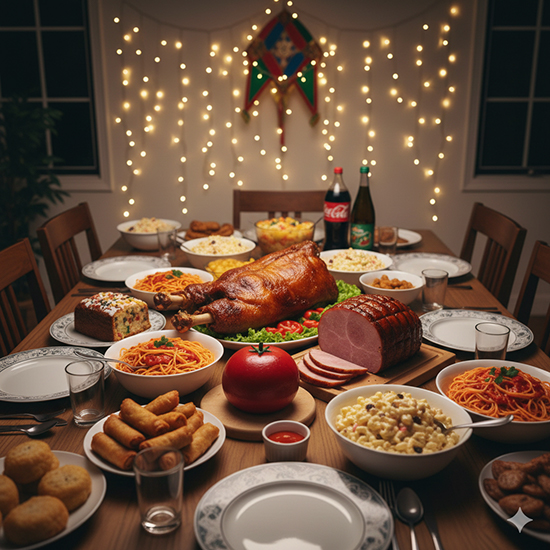
Preparing for the holiday is no joke. It’s expensive, and we’re not even talking about hosting reunions here.
Lechon is the centerpiece of every Filipino celebration. Unfortunately for hogdom, pigs symbolize good fortune and wealth, and a single lechon costs an arm and a leg (a front and back pata?). While Boomers and Gen X still treat lechon as non-negotiable, many millennials and Gen Zs now quietly ask if there’s a “healthier” alternative—or at least a part with less cholesterol guilt. They could chew the fat for hours on end, but will more likely bite into a tub of butter before swallowing that lechon belly fat. Hello, children! Your favorite breakfast bacon is pork belly.
Similarly, ham represents richness, and this season, its price ranges from budget-friendly to bonkers, with regular hams starting as low as P170 —which, to be fair, is within the DTI’s recommended budget—to as steep as P7,500 per leg, depending on which tier of society you’re in. But whether millennials and Gen Zs also like ham for Noche Buena is another matter. Sure, they’ll eat it, but usually sandwiched between concerns about sodium levels and not hurting their parents’ feelings for preparing the midnight feast.
Some families still serve morcon or embotido, especially if the recipe is an heirloom. It’s the same with lumpiang Shanghai and sweet-style spaghetti, which kids love, as if they don’t get enough of it from fast-food joints. Grown-ups generally favor noodles in all their permutations— Asian, Italian, you name it; we Filipinos love our noodles, sometimes paired with rice.
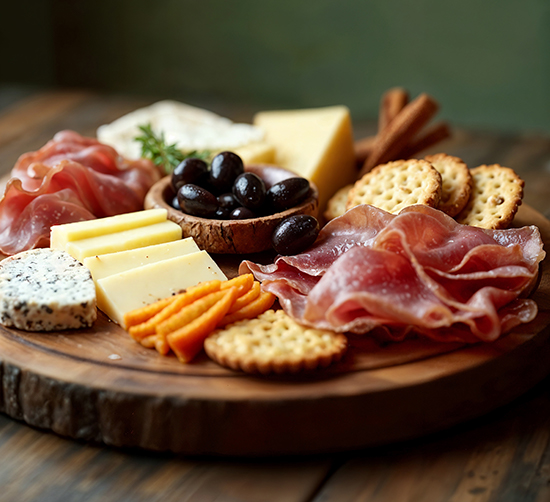
For the alta and a growing number of upper middle-income families (like the status the Philippines has been aspiring for), nothing screams “We’ve made it!” like a cheese board—or better yet, a charcuterie. The French invented this fancy-sounding plate of meat (bacon, ham, sausages, pâtés, terrines, and just about anything you can thinly slice), tossed in some grapes, nuts, and cheeses—et voilà!—the price quadrupled faster than you could say oui, oui, oui. But imagining you’re in Paris while eating it with a cheap glass of wine (and taking a selfie)? Priceless.
Speaking of wine, according to an informal survey I conducted, old fogeys lean toward it, especially on the celebratory eves, while the younger family members stick to sodas and, if they’re feeling sophisticated, wine coolers or artisan beer.
Do they like traditional queso de bola the way our lolos and lolas raised us to appreciate these red-wax-covered, smelly Edam cheeses, especially paired with champagne? Perhaps, as long as it’s shaved or melted into something Instagrammable. And if they’re the ones buying the cheeses this year, they’d go for budget-friendlier queso de bola, which they can get for as low as P210 (hey, you’re still within the DTI limit). By contrast, a 500-gram Crémeux de Bourgogne with Summer Truffles from The Bow Tie Duck goes for over P3,000.
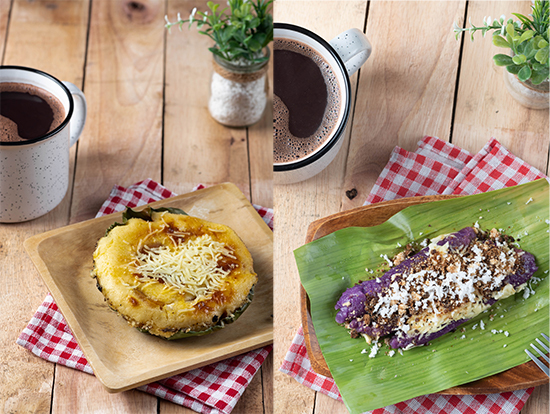
Of course, we can’t forget chicken macaroni salad (with the never-ending raisin-or-no-raisin debate), fruit salad (with or without fresh fruits or condensed milk), bibingka and/or puto bumbong from the church grounds (for some weird reason, the pop-up vendors seem to make the best ones), and fruitcake that you either love or hate. My young friends still eat it—out of curiosity, I bet, and better if it’s labeled “gluten-free.”
Yet, while Noche Buena traditions are starting to shift depending on who you ask, recycling leftover holiday food has been elevated to an art form by some.
The day/s after
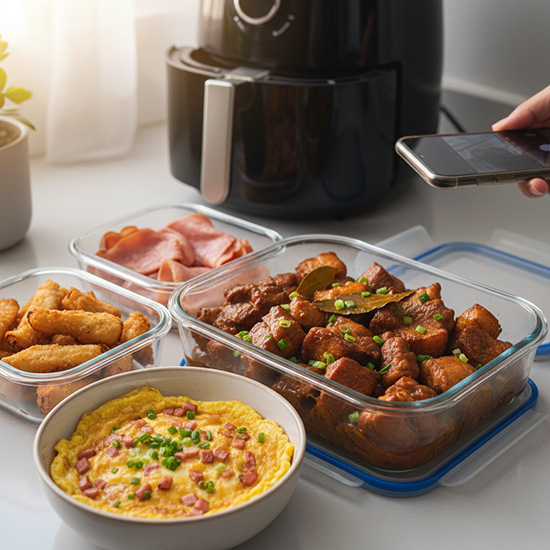
Here’s where generations differ again: Boomers and Gen X grew up believing leftovers taste better the following day or days, like adobo; millennials appreciate them as long as they fit into a meal-prep container; and Gen Zs prefer them air-fried, turned into a TikTok recipe, or rebranded as “upcycled food” (just avoid imitating Meghan Markle).
Still, one of the best ways to prevent wasting food is by “Sharon-ing” it—apportioning leftovers to leaving guests, or asking for takeaways if you happen to be the guest. It’s no longer socially awkward, and even gives pride to the host, for it means the feast was a success.
Everyone knows that lechon scraps are excellent for a week’s supply of paksiw or for plain fried pork. But try repurposing it as sinigang, pulled pork, or binagoongan, and you’re in for a real treat.
Ham, because it’s cured, has a longer shelf life. Aside from pairing it with your leftover loaf bread, you can mince it and add it to an omelet, pasta, or soup dish—like bacon.
Cheeses are your best bet for keeping. You can recycle your queso de bola by shaving off strips with a peeler and zapping them in the microwave for an instant crispy, salty dairy snack.
Noodles require extra TLC because all that pawing and digging for one’s favorite ingredient surely shortens their lifespan. Consume them the day after, or the next, at the latest.
And as for that fruitcake—well, at least you’re assured it will still be around by next Christmas. It’ll probably outlive you.
Whatever your inclination, remember to invest in your Noche Buena and Christmas Day meals, because you’re definitely having them until year’s end.