

My San Sebastian is always in fiesta
In English, the Spanish “beti alai” means “always in fiesta.”
That is my San Sebastian, in the town of Donostia.
Gray skies may be often above, but the festive mood always prevails.
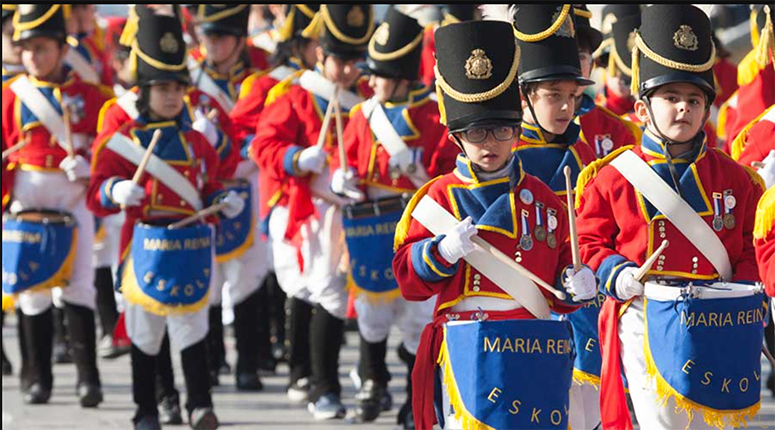
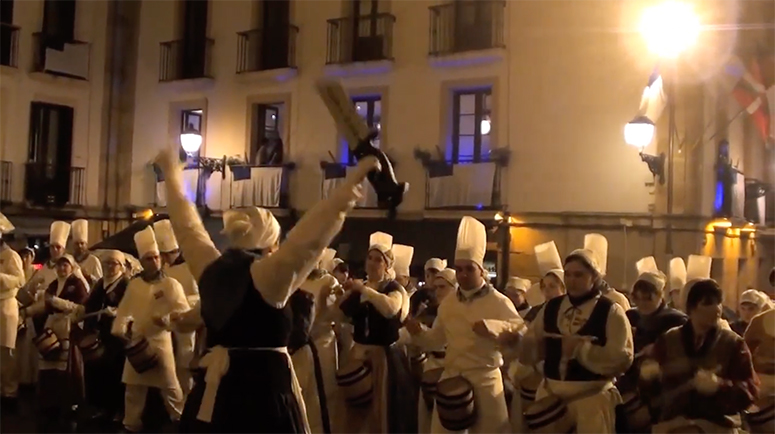
Shortly after the Christmas holidays, San Sebastián celebrates “Tamborrada Day” on Jan. 20—with drumbeats and barrel sounds for 24 hours nonstop all throughout the town. The male adults who participate in bands are dressed up either as chefs (with their traditional aprons and caps and their corresponding wooden drums shaped like barrels, some carrying a big wooden spoon, fork, or knife) or clad in colorful Napoleonic soldier uniforms, while the female adults are dressed up as lady farmers with their corresponding wooden drums (barrel-shaped). Schoolchildren get their chance to participate during the day, dressed up as soldiers.
CONTINUE READING BELOW

The tune of the traditional “March of San Sebastian,” composed by Jose Mari Sarriegui, is the main theme of the entire day.
History says that the drumbeats were meant to scare off the Napoleonic troops during the French occupation of the city. All throughout the year, from winter to summer, the mood celebrating this joyous event is forever present.
The city boasts the most beautiful beach in Europe—the shell-shaped La Concha—as appraised by the European Union. There are actually three beaches within the cityscape: La Concha, Ondarreta and Zurriola. Three hills surround the city—Igueldo, Urgull and Ulía. This, indeed, is País Vasco Verde.
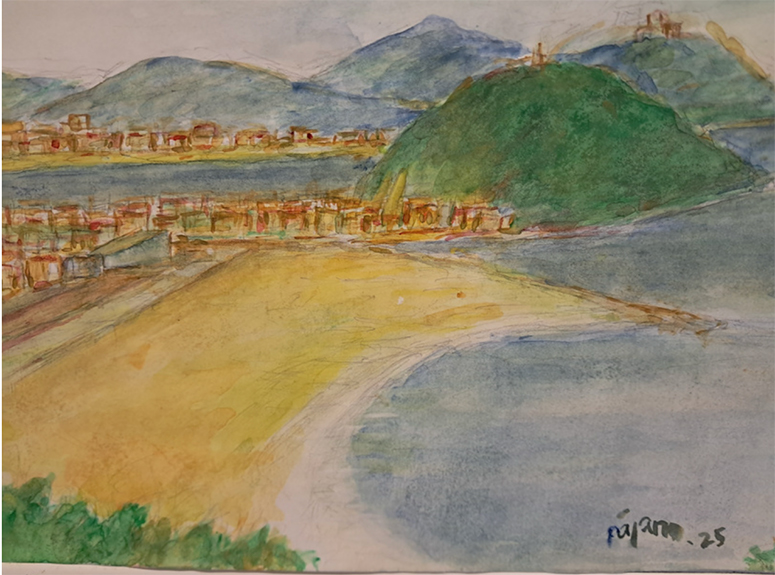
Donostia has approximately 190,000 inhabitants; its capital is Gipuzkoa, some 20 kilometers from the French border.
The town is proud of its football team—Real Sociedad de San Sebastián, winner of two Spanish Leagues and three King’s Cup (Copa del Rey). Most of the players are Basques, trained in different parts of the Basque region, including nearby France.
Other Basque sports—stone lifting, tree-trunk cutting, pelota, cesta punta (jai-alai), grass-cutting, and rowing are also popular, and people bet on matches.
The Basque municipality of Gipuzkoa is also known for its gastronomy and exquisite cuisine. Basque chefs like Juan Mari Arzak and daughter Elena, Martin Berasategui, Pedro Subijana, Karlos Arguiñano and Andoni Luis Aduriz are among those always present in Michelin star-ranking restaurants.
The Parte Vieja (Old Section) is constantly explored by visitors to enjoy the varied appetizing “pintxos” (tapas) displayed and offered in the bars and restaurants.
In February, the Calderera Festival features people dressed up as gypsies from Hungary, shortly followed by the Carnival parades announcing the Lenten season. Children and adults alike walk around in disguises as they watch the carnival parades. For a week in July, there’s the Jazz Festival during which local and foreign bands display their improvisational skill and melodies.
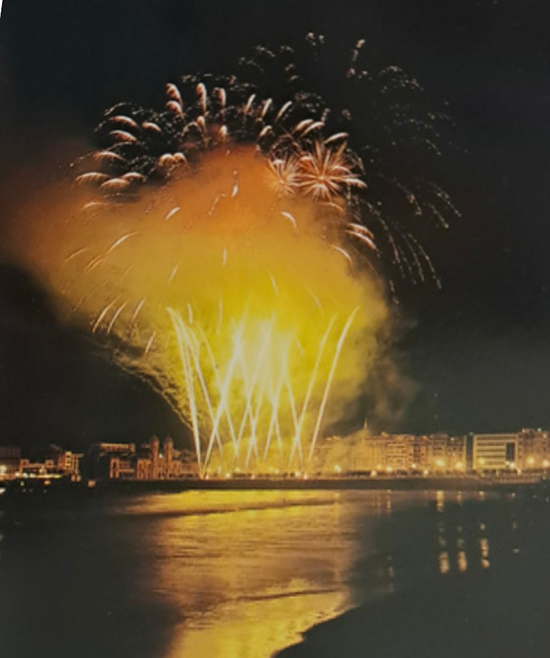
From Aug. 8 to 15, the city celebrates its much-awarded Semana Grande (Aste Nagusia, or “The Great Week”). The event starts with the firing of an antique cannon used during the revolution against the French and the British, and the evening features the nightly International Fireworks competition. Thousands will flock to the beach to witness the fireworks display, approximately 20 minutes per session.
Come September, the International Film Festival is held, during which, on one occasion, the late Lino Brocka presented his film Cain at Abel; Filipino director Mes de Guzman has also participated.
Donostia is like Paris—people here live in style. And while it is one of the most expensive cities in Europe, with high rents and high-end dining, you can find your own version of Donostia: Beti pozi, beti alai. Always happy, always festive.

WATCH: Is OPM still as good as it used to be? (Generations Ep. 20)
September 9, 2026
WATCH: Discovering Vietnam in three days
June 9, 2026
WATCH: Save for retirement or enjoy life now? (Generations Ep. 21)
September 16, 2026
WATCH: LGBTQIA+ people with unlikely professions
June 28, 2026