

The long table of Charlemagne Lim
The restaurant industry is governed by a quiet, devastating irony: a flawless plate of food is powerless against an empty room. Rent does not care how much a chef loves the menu. Payroll does not accept nostalgia as currency. Suppliers do not take loyalty points.
Charlemagne Lim learned this the expensive way.
I came back to Bistro Charlemagne last month expecting, more or less, another very good dinner. I knew the food, and I knew Charlemagne could probably make a five-minute conversation stretch into the next meal.
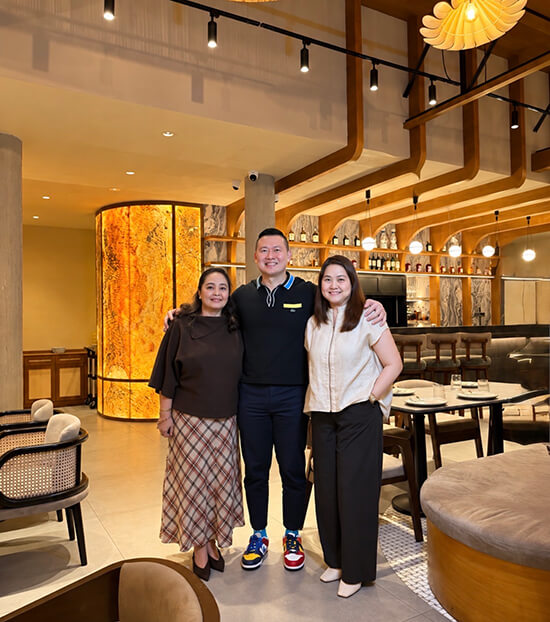
What I did not know was that, somewhere between the spring rolls and the iced tea, I would hear the story of a man who had spent the better part of the past year fighting to keep a restaurant alive.
He had lost the branch. But listening to him, it was difficult to believe he had lost what mattered.
Charlemagne was, well, Charlemagne.
CONTINUE READING BELOW

At Bistro Charlemagne, food is at the heart of the story. Around the table gather memory, friendship, resilience, and a restaurateur who has learned that sometimes, survival is served one table at a time.
He talked. He laughed. He gestured. He moved effortlessly between the painful and the ridiculous, the business realities, and the funny stories, as though life had handed him an unusually complicated menu and he had decided to order everything.
The remarkable thing was that the laughter never diminished what he had been through.
It seemed to explain how he survived it.
The price of believing
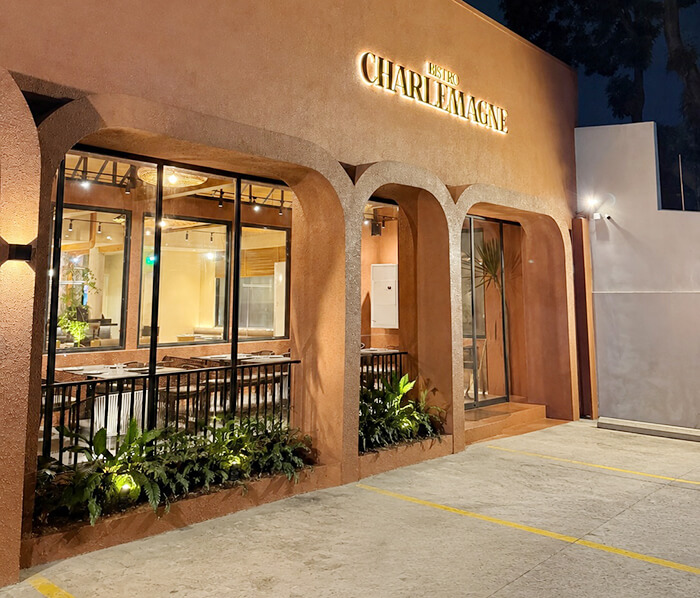
On Feb. 1, after more than six years, he closed Bistro Charlemagne at its location at a mall in the bay area. He had exhausted what he could. The food was not the problem, nor the concept, nor his willingness to fight for it. There simply wasn’t enough foot traffic to sustain the restaurant. He has been on that floor for so long, with no neighbors—none.
The timing could hardly have been more unforgiving. Metro Manila’s restaurant scene is crowded, consumers are selective, and the old assumption that a mall automatically delivers customers has become less certain. The Philippine restaurant industry continues to grow, but growth does not make the business easier. A restaurant can be excellent and still lose.
A mall gives you an address. It does not necessarily give you customers.
But Charlemagne had something a lease could not provide.
He had history.
Before Bistro, there was Little Asia
Long before Bistro Charlemagne, there was Little Asia, which Charlemagne opened in 2001 at 25. For more than a decade, it became part of Quezon City’s dining vocabulary, building the kind of following restaurants dream about: customers who eventually stopped needing menus because they already knew what they wanted.
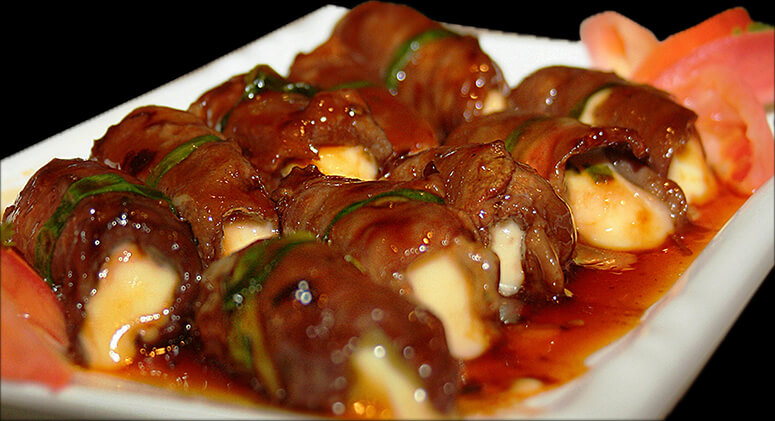
The fried chicken. The flying noodles. The beef tenderloin with cheese. The lengua in white mushroom sauce.
When Little Asia closed in 2014, Charlemagne let go of the restaurant without letting go of what it had taught him. Bistro Charlemagne emerged the following year, carrying “A Concept by Little Asia” like a family name. Its first branch opened at Solenad 3 in Nuvali, carrying familiar Asian flavors into a more polished setting.
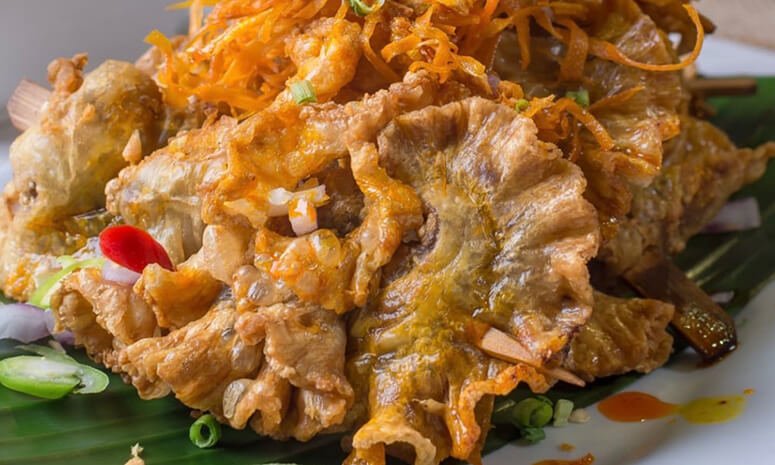
In retrospect, “A Concept by Little” Asia feels like a declaration:
I am moving forward, but I know where I came from.
That is part of Bistro Charlemagne’s staying power. Filipinos may be adventurous about food, but we rarely want to abandon the flavors we already love.
The invisible capital
There is another kind of capital in the restaurant business that never appears on a balance sheet.
Trust.
Charlemagne has accumulated a remarkable amount of it.
His chef has been with him since the Little Asia days. Many staff members have stayed for years. Customers have, too. Families, friends, businessmen, politicians, media personalities, and old acquaintances continue to return. The celebrity photographs are plentiful, but more revealing is the customer who comes back without needing to be photographed at all.
Charlemagne understands that relationships are capital, too.
He talks to people. He remembers. He is present in the real sense, making strangers feel like old friends. He has the kind of social stamina that can make a five-minute conversation comfortably trespass into dessert and nobody seems particularly eager to stop him.
A restaurant comes home
Which brings us to Scout Gandia.
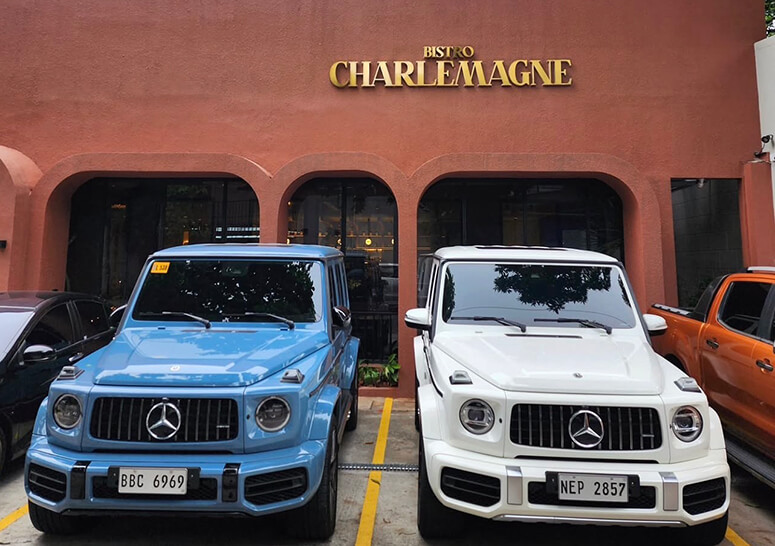
Bistro Charlemagne is now a standalone restaurant, and the new address feels like a homecoming. There is no mall corridor to depend on, no anonymous stream of passing shoppers, no neighboring tenant dictating the rhythm of the floor. There are, instead, the complications of independence, visibility, logistics, parking, and something precious:
Autonomy.
The restaurant can decide how it wants to live.
And Charlemagne has clearly decided to give this one everything.
Nothing about Bistro Charlemagne in Scout Gandia suggests a man inclined to cut corners. The lighting is warm, the décor considered, the room polished. Service is efficient and attentive without hovering. Even the parking arrangements are thoughtfully communicated.
The ingredients have not been compromised. Neither has the staff, nor his time.
Then the food arrives
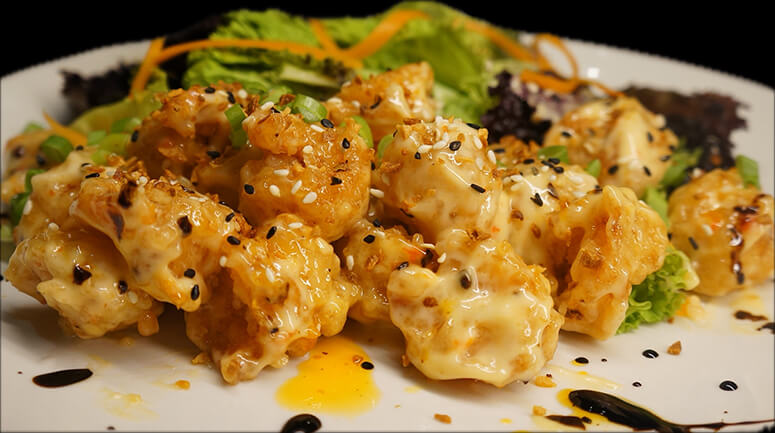
flavor-packed Scallop Gratin
Which is where Bistro Charlemagne makes its strongest argument.
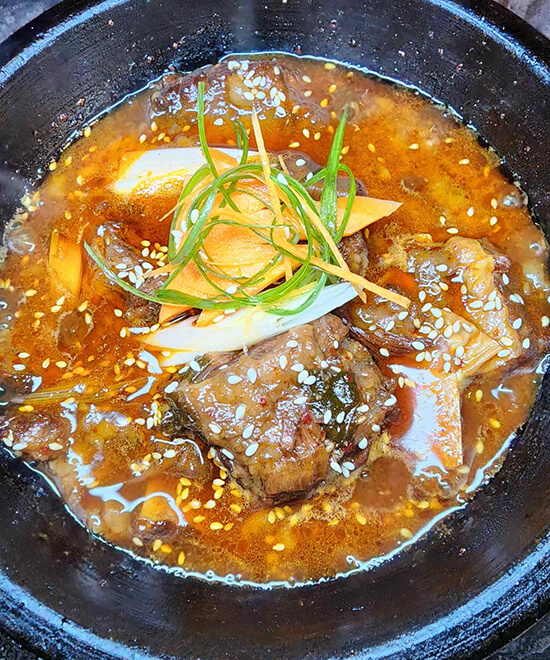
The Vietnamese Spring Rolls—glass noodles, pork, shrimp, and mushrooms with nuoc cham—are crisp and generous. The Korean Beef Stew brings Australian short ribs, slowly braised until tender.
Then comes Little Asia’s Crispy Chicken: golden, succulent, and served with freshly made savory gravy. Some recipes simply refuse to retire.
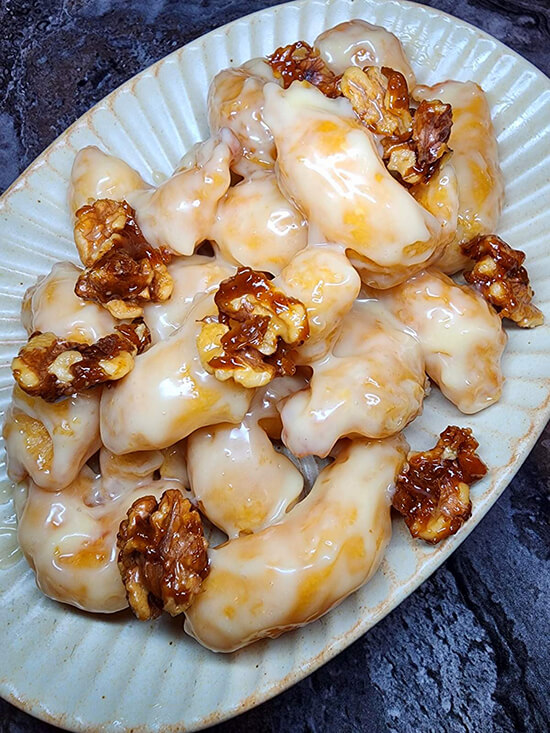
The Honey Walnut Shrimp is creamy, crisp and sweet with candied walnuts. The Salted Egg Squid melts in the mouth. Yang Chow Fried Rice brings the table together.
Desserts are worth lingering over, while the house-blend iced tea is an easy companion to the meal. There are beers, a bar list and premium wines for those inclined to stay longer.
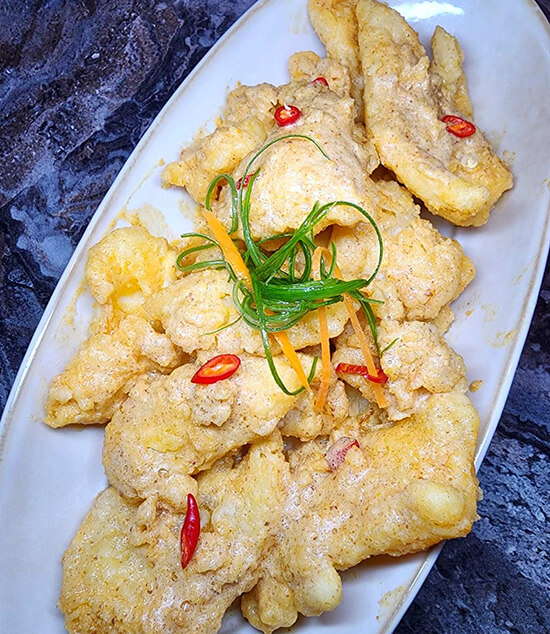
The food is simply very good.
Beyond the trend
In an era of rapidly expiring food trends, that may be the more interesting proposition. Social media can make a dish famous overnight. It cannot guarantee that anyone will crave it six months later. Metro Manila is a fiercely competitive dining market. Trends appear at remarkable speed and disappear almost as quickly. Virality has an expiration date.
People eventually tire of being told what is worth eating; they want to discover what is worth returning to. Then, there is the more enduring measure of a restaurant, the attachment it creates. Bistro Charlemagne has earned plenty of both.
Finally, what makes the long table of Bistro Charlemagne so long? It stretches across years, recipes, friendships, and generations of diners—people who came for a meal and found something worth remembering, then brought someone else along.
At Bistro Charlemagne Scout Gandia, Charlemagne Lim has set the table again, this time entirely on his own terms. The room is comforting, the food is generous, the welcome is unmistakably his. There is good wine, cold iced tea, a kitchen that knows what it is doing, a staff that has stayed the course, and a man who still has a story to tell.
The only question is what you will order first.

WATCH: Why is it so hard to make friends? (Generations Ep. 26)
October 21, 2026
WATCH: Is Gen Z too soft? (Generations Ep. 23)
September 30, 2026