

How do we define Filipino cuisine?
Michelin stars, the global explosion of ube, the increasing number of exceptional Filipino chefs and restaurants abroad—these are just a few indications of how Filipino cuisine is being recognized globally. But how does one define what Filipino food is?
As in other countries, there is no single formula because a nation’s cuisine is regional, rooted in its past yet adapting to its future, and often cooked in different parts of the world as people migrate and move around. Yet, Filipino food has its own unique story to tell.
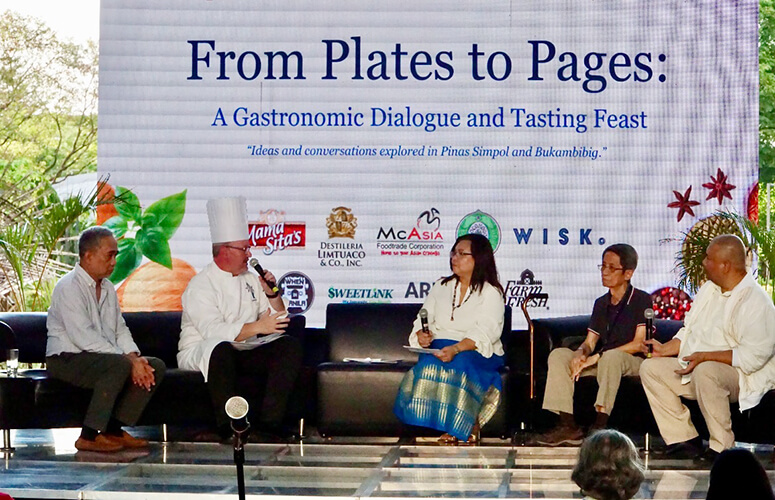
Inspired by the books of two terrific authors, culinary expert Ige Ramos and chef Tatung Sarthou, Le Cordon Bleu Ateneo recently hosted Plates to Pages: A Gastronomic Dialogue and Tasting Feast at Arete, Ateneo de Manila University. Three hours of talks and a lavish spread of dishes created by Le Cordon Bleu chefs actually left one with more questions than answers, but also with an increasing hunger to explore the endless stories and realms of Filipino food.
Chef Tatung explained that to call something Pinas Simpol—which is the title of his new book—is to say that it is Filipino and made with the quiet confidence of knowing your core. He brought up interesting truths, such as that it is cheaper to cook adobo than chop suey or pinakbet because of the expensiveness of fresh produce. He mentioned how a law that was not thought through practically destroyed our salt industry. An archipelago surrounded by saltwater now has to import 90% of its salt.
Ige, who covers a whole range of relevant Filipino food topics in his book, Bukambibig (Word of Mouth), discussed what he calls the “great cultural divide” among Filipinos—how some can splurge P8,000 on a meal, while for others, that is the food budget for a month. He wonders how restaurants with limited seating can really promote farm to market with the scale that they have. His entertaining book is a must-read.
Chef Tatung also brought up how the promotion of regional cooking boosts tourism potential and the creation of local ingredients that can be sold. Likewise, Chef Cyrille Soenen, Le Cordon Bleu Ateneo technical director and executive chef, pointed out how in Paris one can buy all the specialties of the regions in one great market. But in the Philippines, one cannot taste provincial specialties, like the diwal of Bacolod, unless you are there. Then, anthropologist and professor emeritus Fernando Zialcita lamented the lack of Filipino food served in our prime tourist spots, as well as the possibilities of gastro diplomacy.
CONTINUE READING BELOW

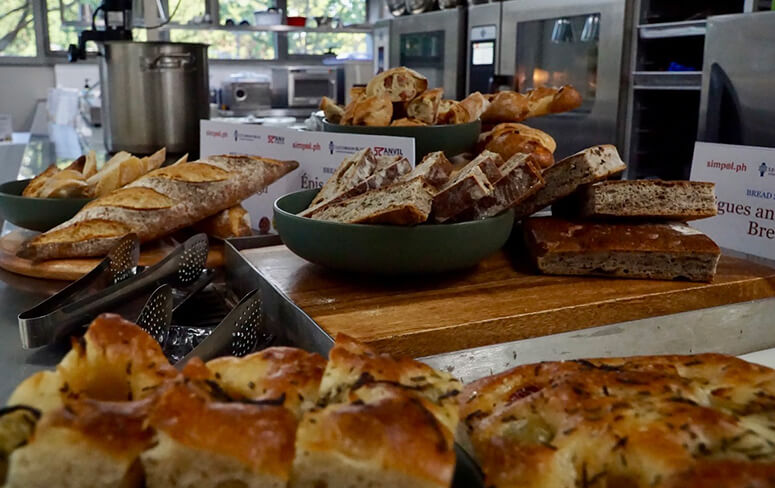
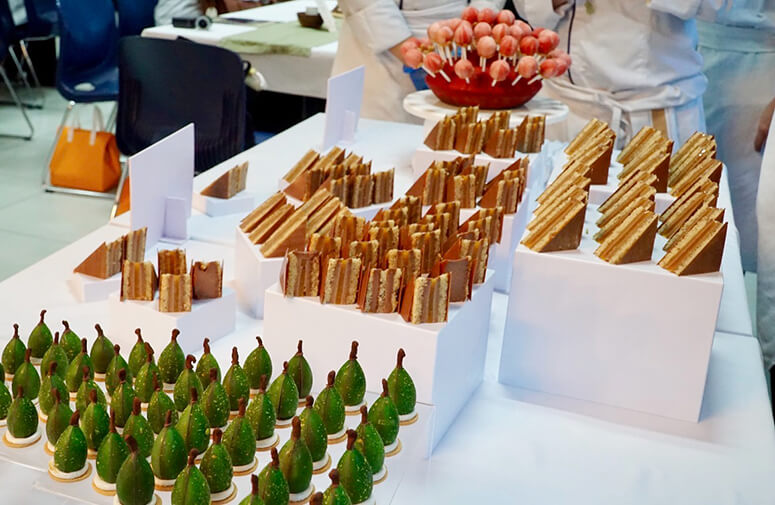
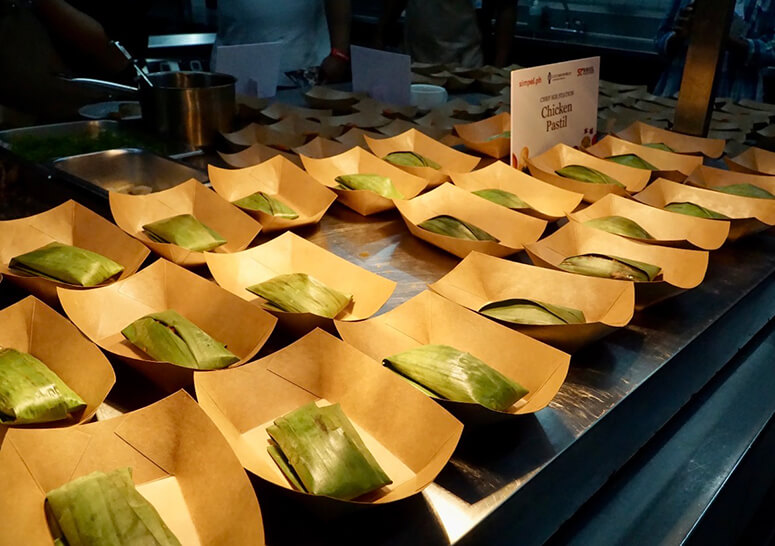
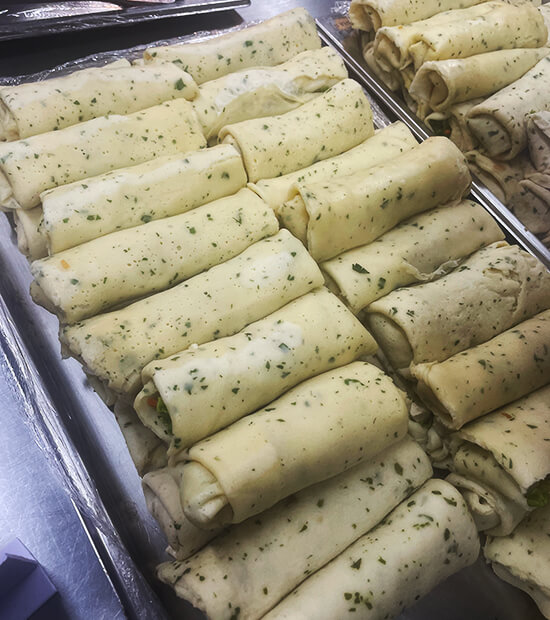
There were rich discussions and such a wonderful spread that attendees were treated to afterwards, featuring the creations of Le Cordon Bleu chefs and dishes they prepared based on Ige and Tatung’s books.
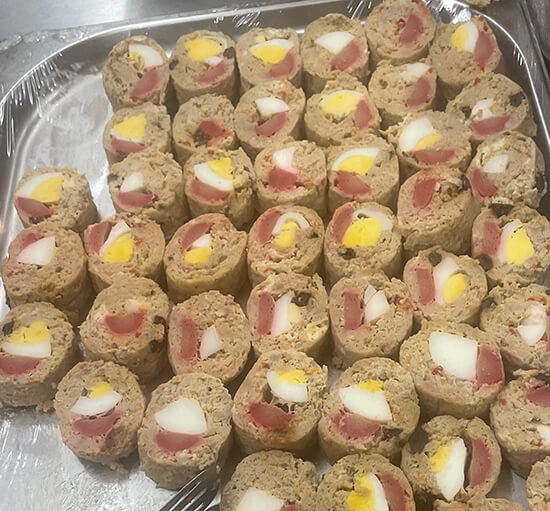
The afternoon’s stories and the food served are enough to fill a whole new book. Now that would be a great read, and inspiring for those who were not able to attend this fantastic culinary event.

WATCH: Pixar Summer Fest adventure at Hong Kong Disneyland
August 10, 2026
WATCH: Is Philippine cinema still thriving? (Generations Ep. 19)
September 2, 2026