

Shanghai: Honoring the past, living in the future
Arriving by bullet train from Xi’an, we were greeted by the vibrant energy of Shanghai, epitomized by its transport hub, home of the super-fast Maglev which has set world speed records. There’s a futuristic vibe, from advanced face recognition scanners everywhere, to the skyscrapers that dot the cityscape and robots securing the corridors of our hotel.
The phenomenal rise of this city and the country itself can be attributed to the balance of capitalism and communism and the constant drive for excellence which our guide, Sue, attested to in her own home, where her son in primary school hurdles a tough atmosphere of competition that is inculcated from an early age.
One of the highlights of this tour is interacting with locals like Sue, who gives her country a human face, making us realize how discipline and the enforcement of law and order is so important in governance and the progress of a nation—something that hits hard considering recent events in our political scene. At the same time, she marvels at how Filipinos are so “chill,” finding time to slow down to become more effective in one’s work and improve the quality of living.
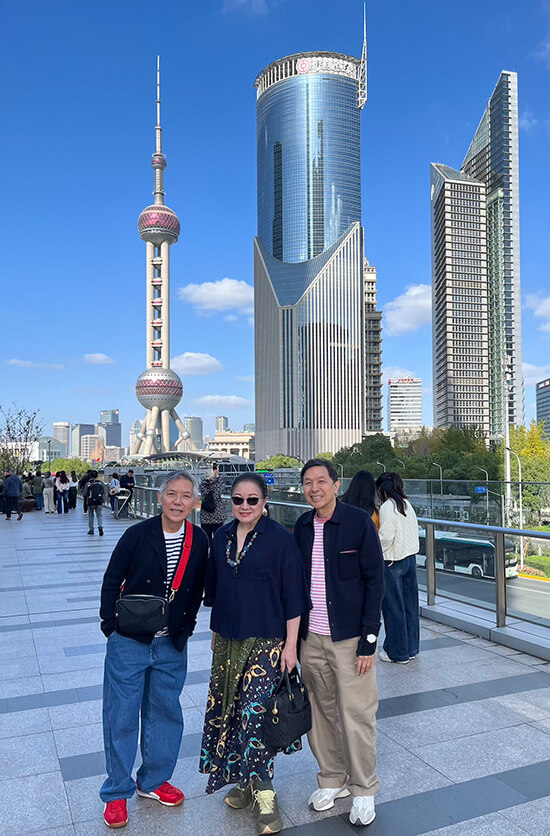
It’s amazing, though, how driven they are, with even the head of police approaching one of the media members in a previous “China Experience” group, as related by former Senator Nikki Coseteng: “He actually made an effort to ask if everything was all right and if there was anything she observed that needed improvement.” We witnessed such concern ourselves on the train dining car when security officers noticed that we had no place to sit while there were some video-playing youths hogging tables. The teenagers were ordered to share the table with us hapless tourists.
Shanghai, in particular, has a history of hospitality to foreigners, having an International Settlement that made it a commercial and financial hub in the late 19th century. This gave the city an East-West flavor that can be appreciated to this day, as seen in architecture, art, fashion and cuisine.
City of skyscrapers and historic architecture
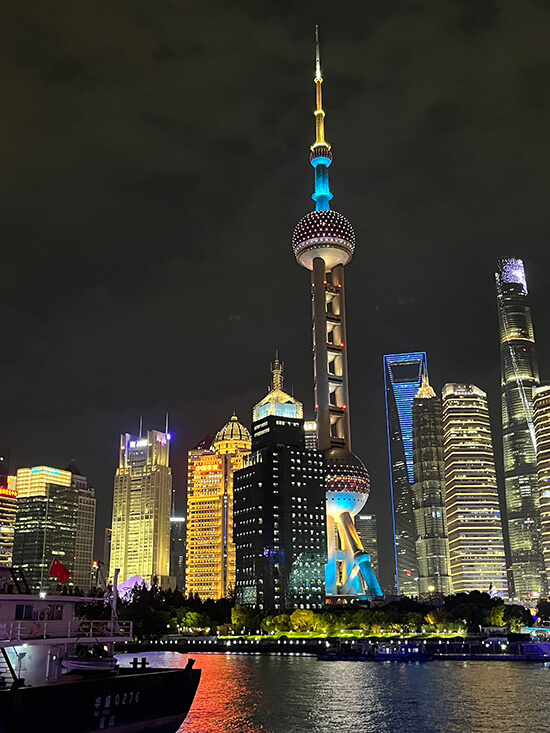
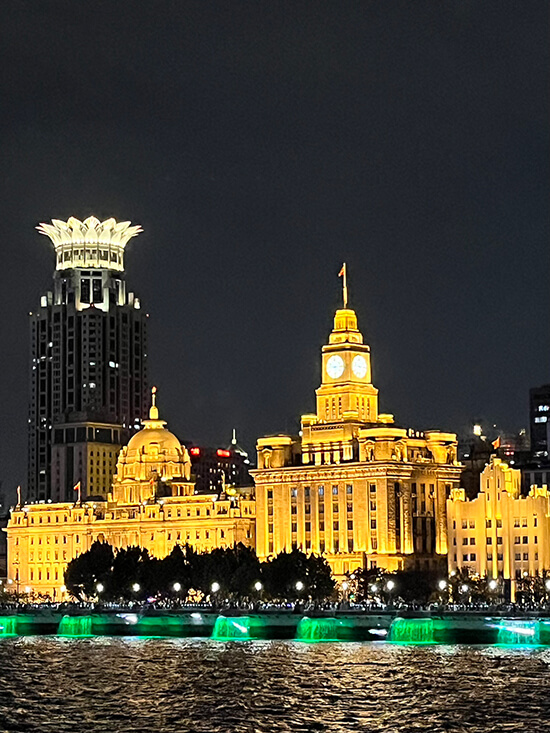
While the waterfront area of the Bund within the former International Settlement is a protected historical district with European-style buildings from Gothic to Baroque to Art Deco, this area along the Huangpu River faces the modern skyscrapers of Lujiazui Financial District in Pudong. Shanghai actually ranks sixth in the world with the most skyscrapers, which include the Shanghai Tower, the Shanghai World Financial Center, the Oriental Pearl Tower, and the Jin Mao Tower, each with its own unique architecture that makes the city’s skyline distinctive and photogenic. For a more romantic view of the city, we took an evening river cruise from which you can see the buildings all beautifully lit.
Shopping in style
CONTINUE READING BELOW

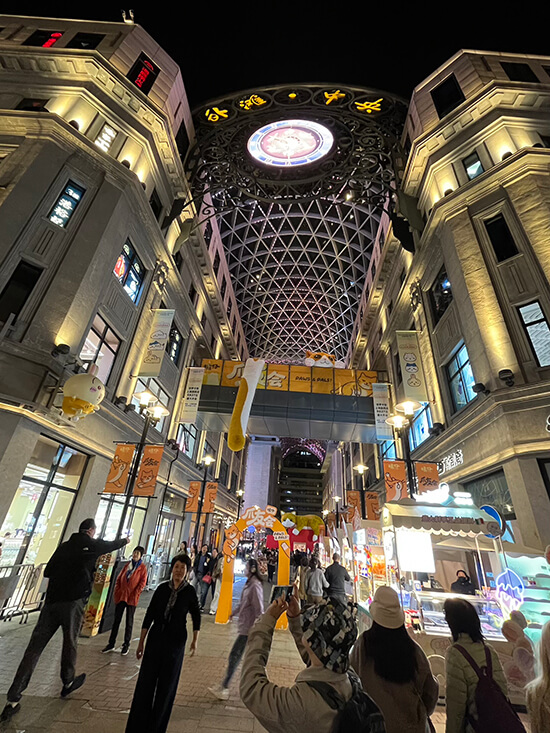
From sightseeing at the Bund, we turned the corner to Nanjing Road, one of the world’s longest shopping districts, going from East to West. What’s great is that it’s pedestrian-only up to Middle Henan Road, allowing you to crisscross both sides of the wide avenue. We found many historic stores selling everything from cheongsams to traditional crafts, as well as a humongous Pop Mart for Labubu collectibles. Local brands like Anta, which has grown to be one of the largest sportswear companies, and Tata sneakers (the softest and most comfortable, tipped our guide, and she was right) are good buys.
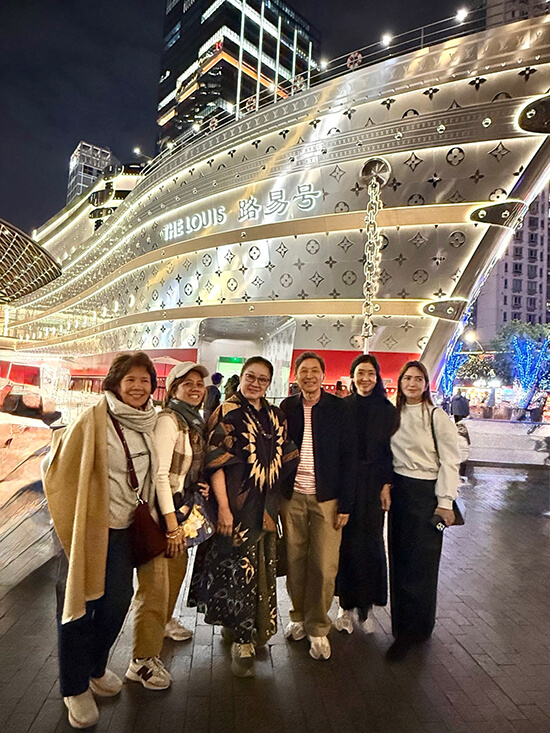
At the western end of Nanjing, the massive Louis Vuitton concept store overwhelmed us with its cruise ship design looming over a plaza. As an ode to travel and Shanghai port culture as “The Gateway to the East,” the upper levels were designed to look like LV’s historical trunks used for transoceanic voyages, with an exhibition area, a café, and a gift shop.
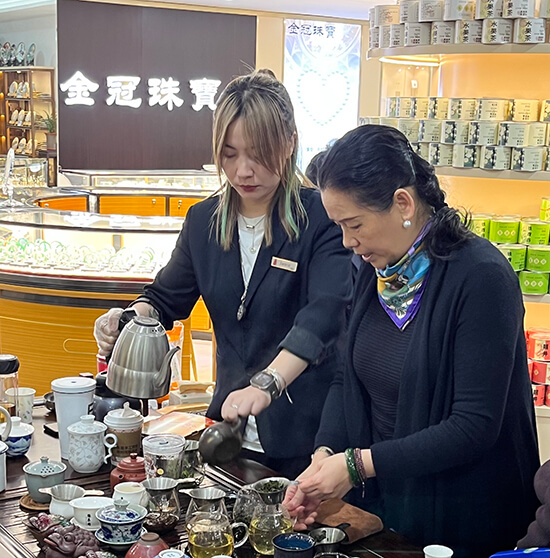
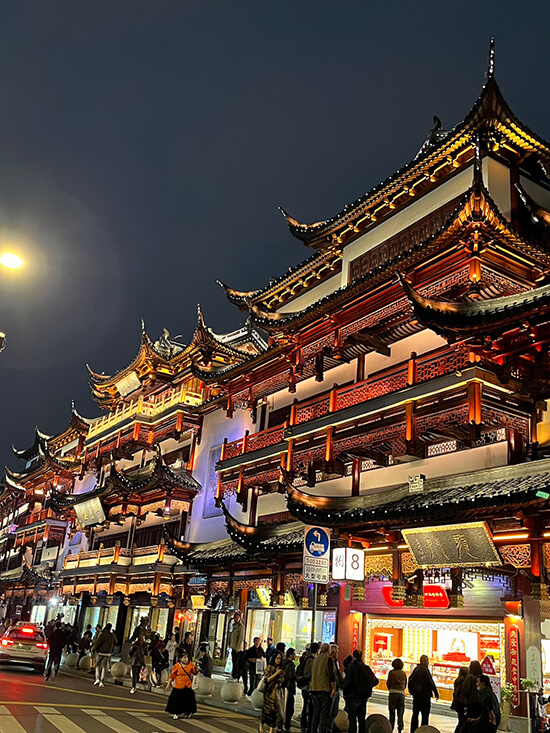
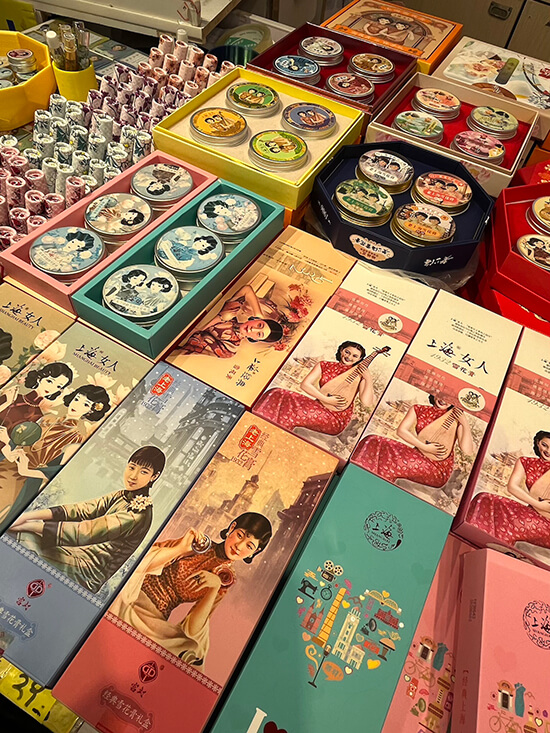
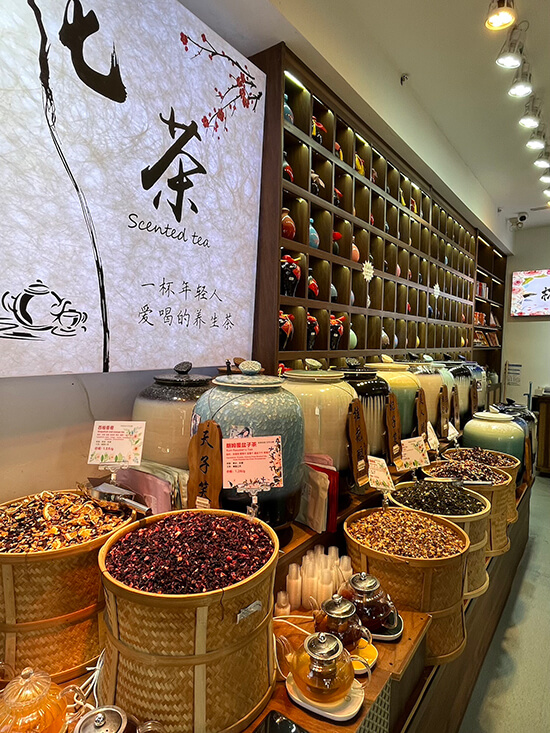
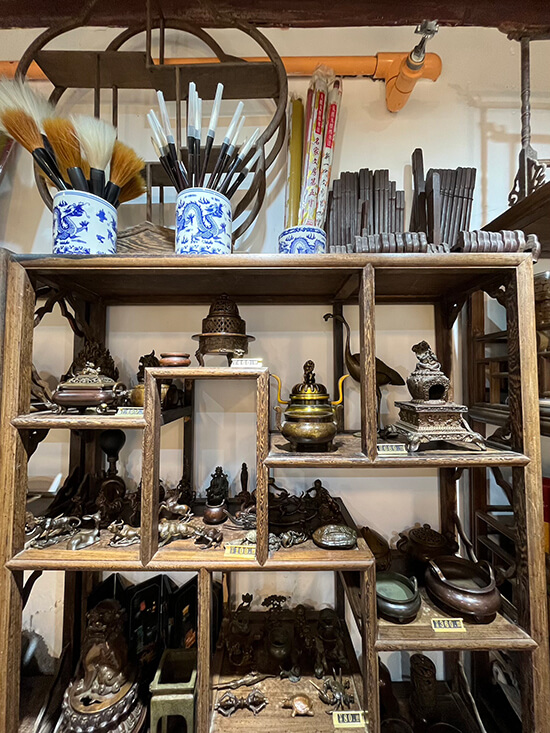
For a taste of Old Shanghai where Ming and Qing dynasty architecture merge with classic garden scenery, we went to the Yuyuan Tourist Mart on Fangbang Middle Road (situated next to Yu Garden and the City God Temple), where we shopped for the “big 4”—silk, porcelain, jade, and tea—as well as crafts and souvenirs. We found exquisitely hand-embroidered fans from Suzhou, silk brocade purses, “Snow Cream” cosmetics in vintage packaging, and nostalgic White Rabbit candy for pasalubong.
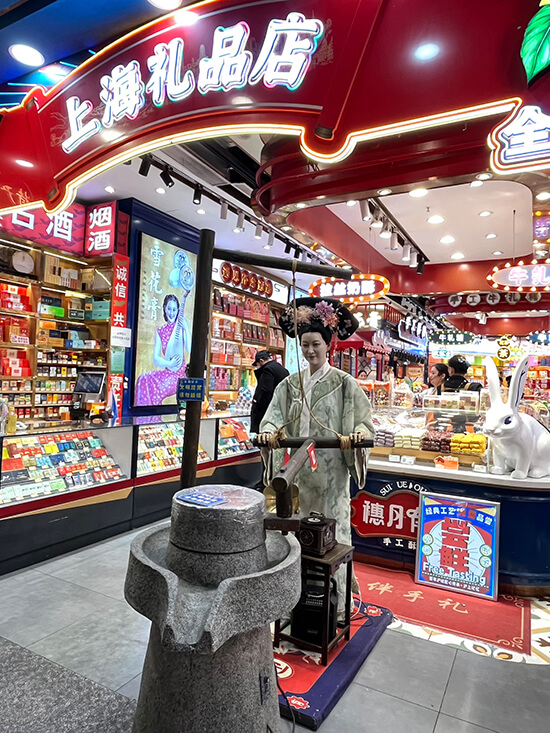
Another old neighborhood is Tianzifang, a repurposed creative art district in the former French Concession—a labyrinth of alleyways with boutiques, galleries, bars, and restaurants housed in old houses featuring shikumen architecture, combining Western and Chinese elements that first appeared in the 1860s.
Zhujiajiao ancient water town
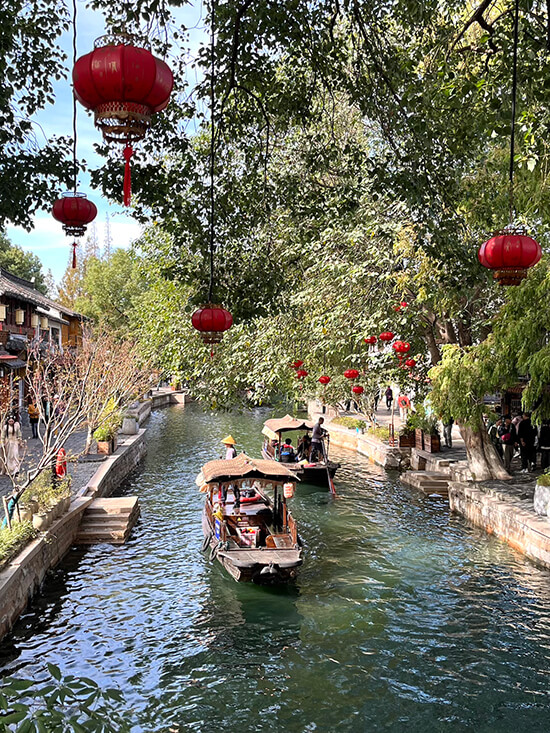
For an even more nostalgic trip back in time, we went to Zhujiajiao, a well-preserved historic town 50 km from the city, known for its canals, arched stone bridges, and traditional Ming and Qing architecture. You can hire boats, but we opted to walk so we wouldn’t miss a thing, sampling food along the way and checking out all the shops. The ladies had a heyday choosing pearls that were sold ala Pop Mart—you choose a shell from an aquariu,m and if you’re lucky enough after opening it, there will be enough pearls to make a couple of pieces of jewelry that they will make for you on site.
Everything but lumpia Shanghai
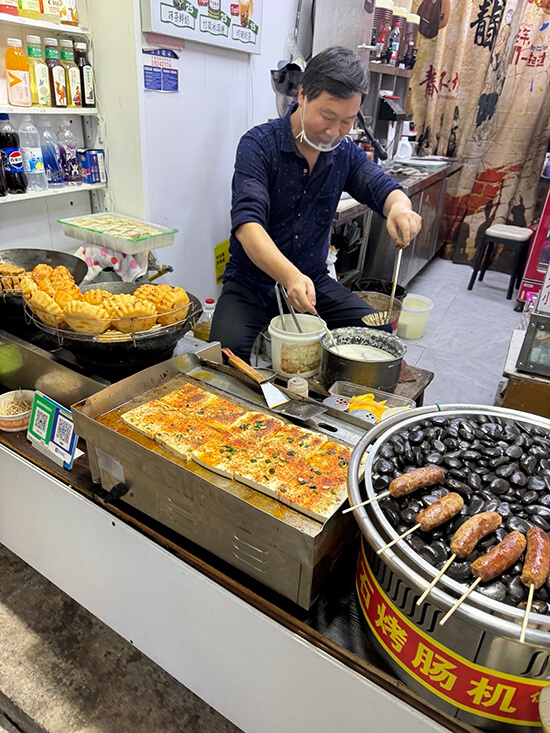
It was a standing joke with our group, even asking our guide where we can find “lumpia Shanghai” which of course is a Filipino invention that metamorphosed from the spring roll brought by Fujian immigrants and named after the city because of its fame. There are many other kinds of spring rolls, however, and many cuisines for that matter, with foreign chefs like Pierre Gagnaire opening branches to add to an eclectic selection. The adoption of Western influences resulted in Haipai cuisine, which features dishes like borscht adopted from the Russians.
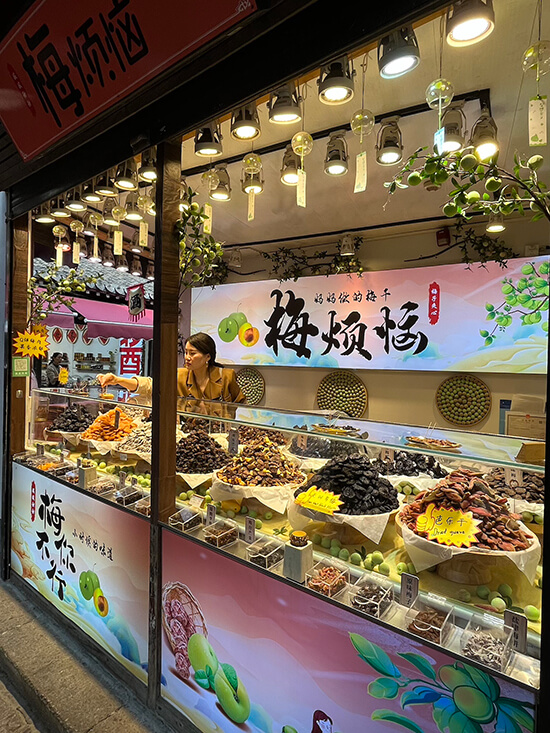
Traditional Shanghai food is called Benbang cuisine, originating from the Ming and Qing dynasties, requiring some complex preparations like the delicate scallion stewed crucian carp, which is soaked in vinegar, fried, then stewed for a long time and cooled to make it tender enough to be consumed with all its bones. Xiaolongbao, that famous soup-filled dumpling, comes in many, delectable varieties. Pork was always on the menu, with the most tender red braised pork belly, crispy golden ribs with chewy rice cakes, and Lion’s Head, a meatball resembling a lion’s head that comes with cabbage as its mane. It was hairy crab season, and we had our fill, some consumed at hot pot and grill restaurants where we discovered fresh seafood and other produce in season.

WATCH: Save for retirement or enjoy life now? (Generations Ep. 21)
September 16, 2026
WATCH: Discovering Vietnam in three days
June 9, 2026