

The savory side of Singapore
It was reported that by early 2024, Singapore had recorded more than 20,000 food and beverage outlets. That’s a lot considering the size of the country. And that’s why, when it comes to food destinations, it has always been at the top of my list, as it not only ticks the box on quantity but also on quality.
Homegrown hits
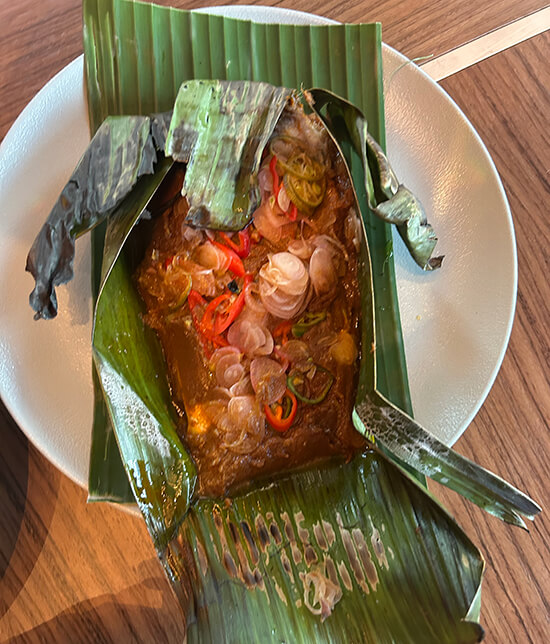
When talking about variety and diversity in the restaurant scene, there can be no better showcase than Rempapa, which champions a novel cuisine that crosses boundaries among Chinese, Peranakan, Eurasian, Indian, and Malay cooking.
Chef Damian D’Silva, a national culinary treasure himself, delves into history and memory to plate dishes like Teochew-style ngoh hiang with chestnuts and yam; pesce assa, aka mackerel in spice paste wrapped in banana leaf; cowdang, a forgotten Eurasian dish dating back more than 200 years; and a Christmas debal, a stew made of roast pork and sausages.

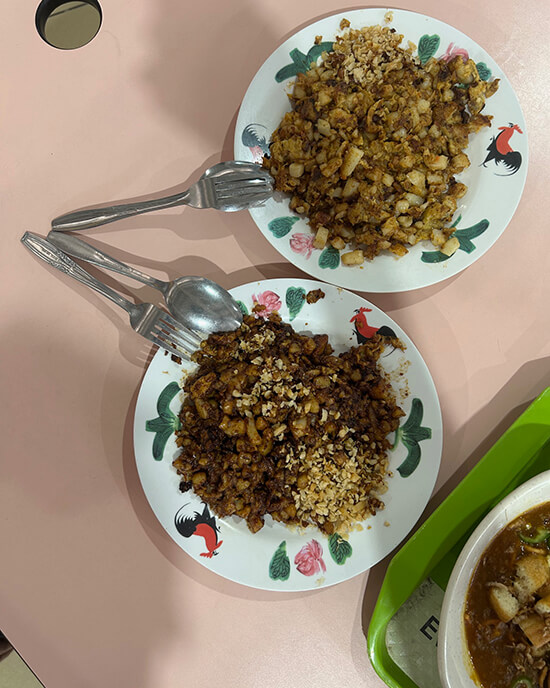
Chef Damian also met us at the Tampines Round Market and Food Centre with an array of dishes—his favorites from this lesser-visited hawker hub. Our brunch menu included a hearty pork rib and prawn noodle, another with gelatinous pig’s tail from Pig’s Viscera; two kinds of carrot cake—a black one tinted with sweet sauce and the white kind—from Song Han; and, from Nasi Lemak Specialist @ Street 11, a saucy mee rebus, a Malay noodle dish thickened with sweet potatoes.

A well-loved institution that has long been recognized by Michelin and locals alike is Kok Sen. The Wong family has been serving Zi Char classics for nearly 50 years, and to date, these dishes continue to capture the signature wok hei aroma. Here, seafood is cooked to the ideal juicy doneness—claypot grouper fish, spring onion crab, big prawn hor fun, yong tau foo with fried beancurd, and even deep-fried frog. Balance your repertoire with veggie and meat items that are equally delicious—prawn paste chicken, bittergourd pork ribs, and golden dragon chicken.
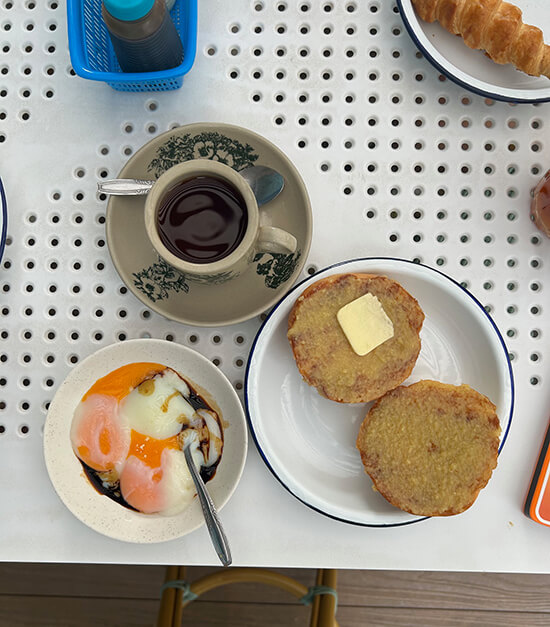
Chin Mee Chin Confectionery is among the many long-standing food establishments that have become a tradition. Opened in 1925, the beloved breakfast shack is renowned for its kopi and freshly baked buns. They say, “When in Rome, do as the Romans do.” In this case, when having an early meal in Singapore, enjoy kaya toast with soft-boiled eggs, eccentrically doused with dark sauce and pepper—exactly how many locals do it.
CONTINUE READING BELOW

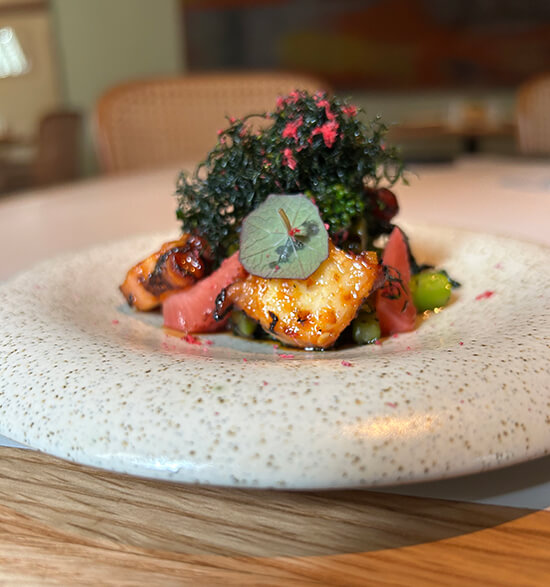
Adding a dose of innovation to tradition is chef Marcus Leow of Belimbing, the sister restaurant of The Coconut Club. Situated along Beach Road, the restaurant, tagged as New-Gen Singaporean, combines familiar flavors and ingredients that may seem dubious in print but not in taste—aged fish with pink guava and coconut, smoked Wagyu ox tongue with starfruit, Spanish octopus with strawberries, marble goby with seaweed laksa verde, and sunchoke turned into bingka. Bold and daring, Leow gives the future of Singaporean cuisine much promise.
In the stars
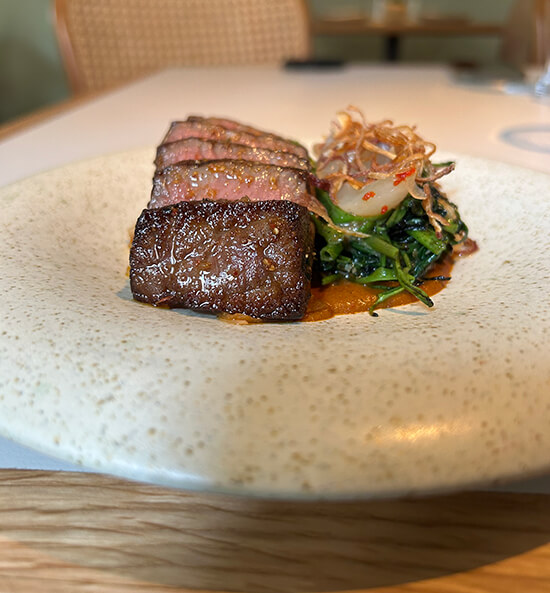
There are 42 Michelin-starred restaurants in Singapore as of the 2025 guide. Part of this elusive list is Born, led by Zor Tan, who brings an outstanding fine-dining pedigree. In his beautiful and majestic Chinatown restaurant, Tan presents a personal spread that not only tells his journey but also decadently marries French gastronomy and Chinese cooking. He pairs monkfish with fermented capsicum and chicken fat, seasons beef tongue with five spice, and layers delicate egg custard with foie gras sauce.
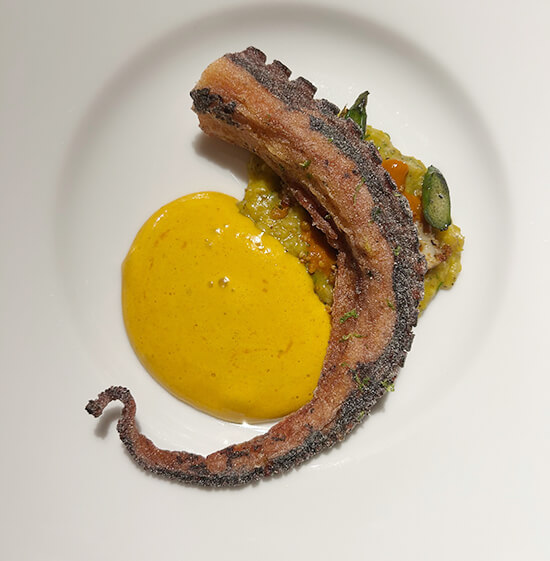
At Thevar, Indian flavors refined by European techniques are the name of the game. Operating in an elegant space with a second-floor private room, the two-starred restaurant celebrates its seventh year this year, and like fine wine, both the brand and the food have improved over time. Celebrated Chef Mano doesn’t focus on progression but hits guests with flavor from the get-go, as evidenced by potent snacks like tomato chaat and purple cabbage pani puri. There’s Chettinad chicken roti, the most tender octopus with potato khichdi, and spiced lamb with butternut squash masala.
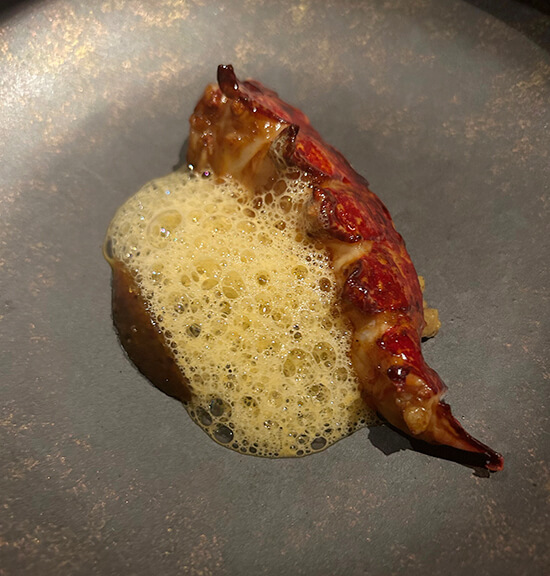
Housed in a two-story shophouse, Cloudstreet is where Rishi Naleendra showcases his culinary explorations. Highlights include grilled oyster with coconut and finger lime; celeriac custard with crab consommé and chili; carabinero prawns with chitose tomato and mango; signature stout and licorice bread; and Sri Lankan curry of Normandy lobster. Dessert, served in the upstairs dining room, includes bread-and-butter pudding with Vegemite and cauliflower ice cream with toffee cream cheese. The intricate food and inviting design are impressive, yet the chef’s undeniable talent remains the centerpiece.
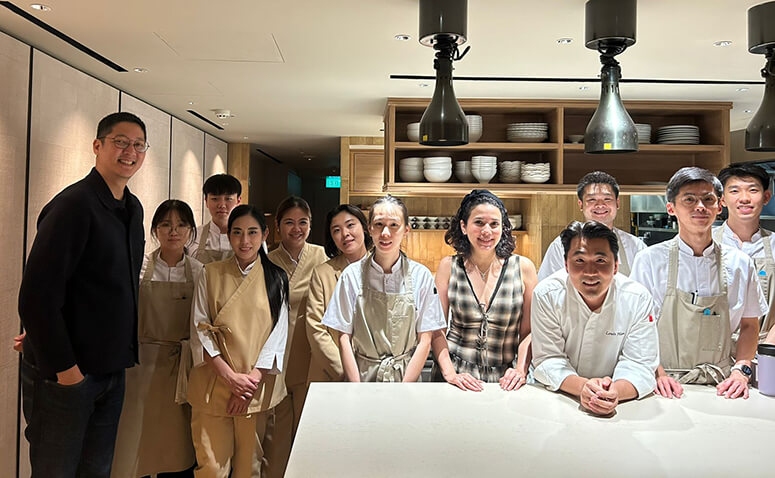
At Naeum, chef Louis Han bares it all—from his childhood in Korea to becoming an award-winning chef in Singapore. His newly renovated space reflects his maturity: free, uncluttered, and devoid of unnecessary distractions. His food is thoughtfully composed and more complexly layered than typical Korean dishes. His sea bream, bronzed and perfectly cooked, sits in a citrusy soy pool with daikon; Iberico Presa with perilla-layered onion; and butter-like Jeju abalone dressed in a beautiful seaweed vinaigrette. The work and thought behind each dish are evident both visually and on the palate.
Best in bar chow
Singapore has earned considerable recognition for its bar scene. And though its crafty cocktails have become stars on their own, the plates they serve alongside deserve just as much acclaim.
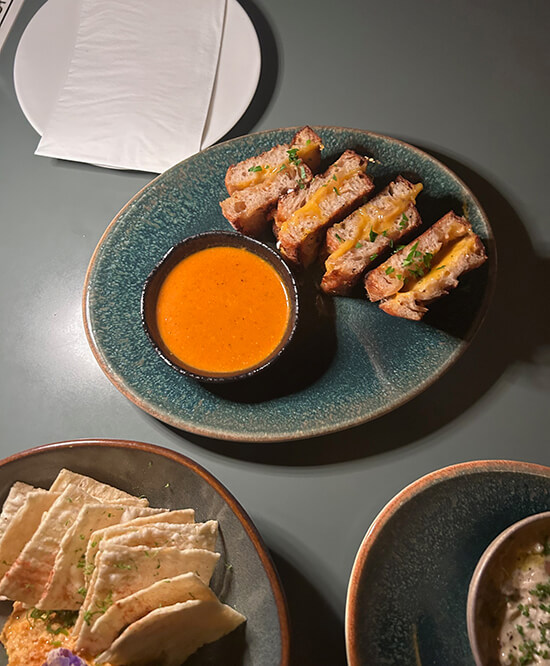
For more than a decade, award-winning Jigger & Pony has been shaking up contemporary takes on classics. At their new home in the Amara Hotel, creative director Uno Jang pairs cocktails like the Yuzu Whisky Sour and Watermelon Mojito with equally divine plates, including Pistachio and Hummus Dip, and Marsala Toastie.
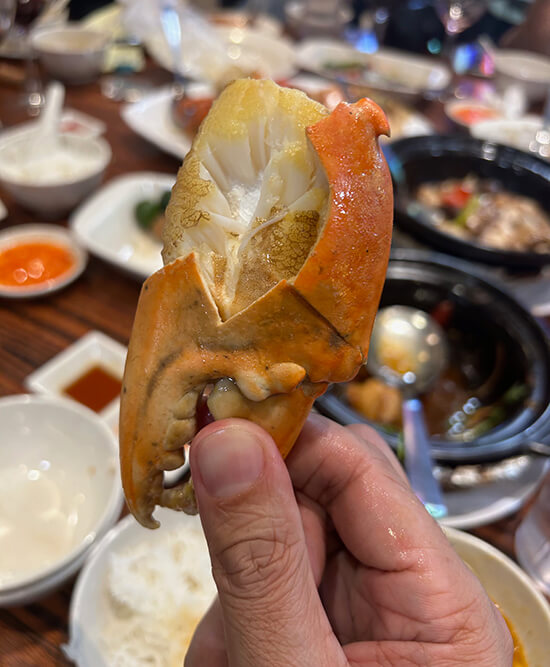
The same goes for their sister bar, Live Twice, which exudes a 1950s Japanese vibe. Here, Western and Japanese elements are combined in drinks like the Vesper—where you choose your vessel—and dishes such as Wagyu Curry Rice Bowl and Hojicha Tiramisu.
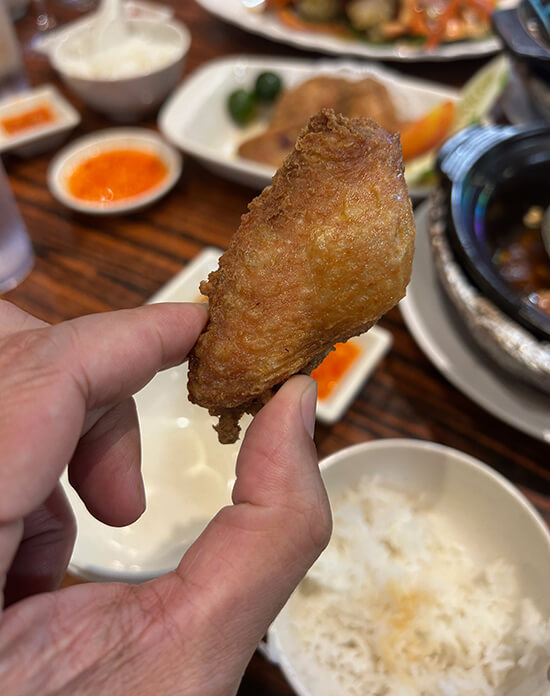
Drawing on Singapore’s rich heritage, Nutmeg and Clove pays tribute to local communities that have influenced its creations. Their cocktail menu honors stores like Alfatah in Bukit Batok with drinks like the Kid Me Not. For bar chow, the Mala Sweet Potato Fries, Rendang Mac and Cheese, and Har Cheng Pork Bites are top-notch.
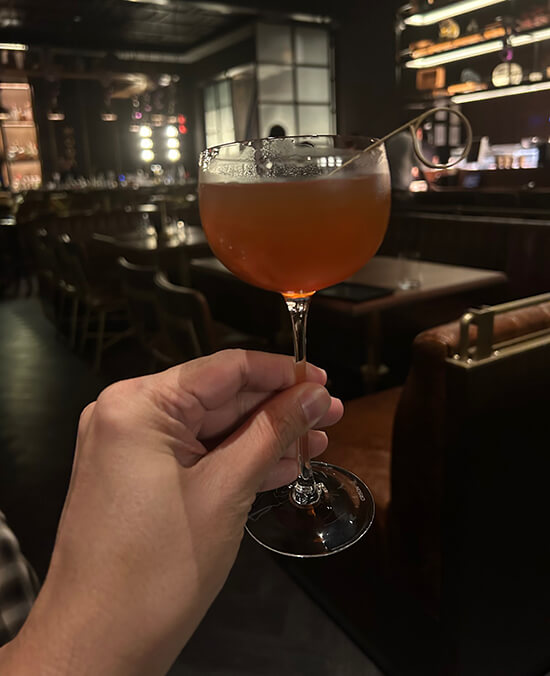
The Pullman Hill Street’s Moga shakes up cocktails through the eyes of a traveling modern girl named Kiyoko. She visits 12 cities, immortalized in 12 drinks—The Plum Remains for Malaysia, Not So Salty for Hong Kong, and Appletini for Korea. These are best paired with the Wagyu Beef Roll, Tokyo Tamago Bomb, and Pancake Kaiseki, making Moga a destination not just for drinking, but for eating as well.
Singapore certainly has much to offer food-wise. Just be sure to keep an empty stomach and an open mind when you visit.
***
Special thanks to Singapore Tourism Board and Pullman Singapore Hill Street.

WATCH: Save for retirement or enjoy life now? (Generations Ep. 21)
September 16, 2026