

Where to eat in Hong Kong now
I hadn’t been back to Hong Kong in nearly a decade.
There was a time when I went three, even four times a year—when the city felt like an extension of my own appetite. Then came the protests, then the pandemic, and like many relationships interrupted too long, you wonder: Will it feel the same?
This trip, timed with Asia’s 50 Best Restaurants 2026 and organized under the Hong Kong Tourism Board’s Taste Hong Kong campaign, turned out to be less a return and more a reintroduction. Not just the glossy, skyline Hong Kong I remembered—but something more intimate, more textured, more quietly alive.
And it began, unexpectedly, in Kowloon City.
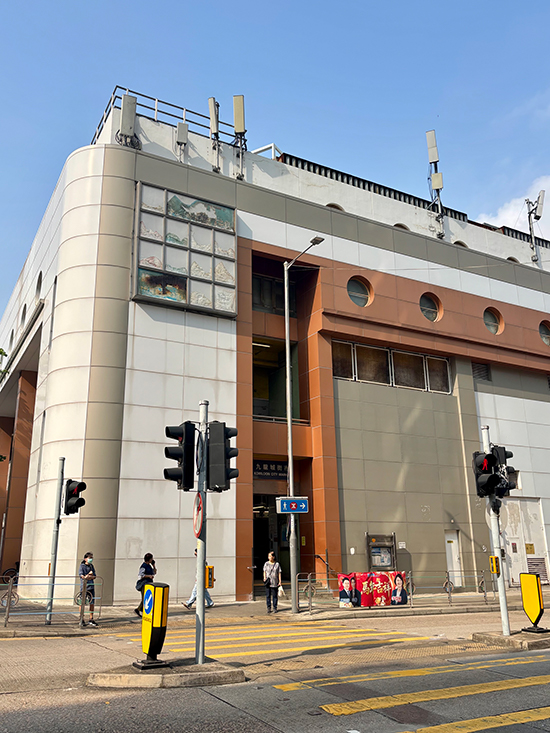
Led by food writer Gloria Chung —whose deep, almost instinctive understanding of the city’s foodways made every stop feel like a story—we wandered into a city I thought I knew, and realized I didn’t at all. Kowloon City felt slower, almost tender in its pace, a pocket of Hong Kong where memory lingers in tiles, in shop signs, in recipes passed down without fuss.
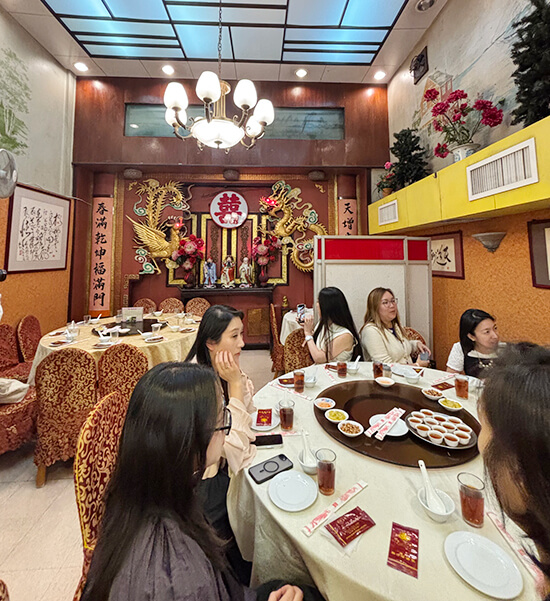
At Lok Hau Fook, a Teochew (aka Chiu Chow) institution from 1954, time doesn’t just stand still—it sits with you at the table. The prewar building, with its dragon-and-phoenix motifs, has appeared in countless Hong Kong films, and you half expect a scene to unfold between courses.
CONTINUE READING BELOW

The food arrives with the quiet authority of something that doesn’t need to impress. Satay beef with noodles—deeply savory, faintly nutty—carries with it a history of migration, of Teochew cooks who traveled through Southeast Asia and brought flavors back home. The oyster omelet, crisp at the edges and custardy at the center, is rich with duck eggs and briny oysters, eaten with fish sauce and white pepper. A platter of meats steeped in master stock—goose, liver, tofu—speaks of time, of a broth that has been tended for decades, deepening with every use.
Between bites, Gloria reminds us to sip the iron guanyin tea. It clears the palate, yes—but more than that, it slows you down. Makes you pay attention.
A short walk away, Kowloon City Market hums with a different kind of energy. Fishmongers call out over the gleam of just-caught seafood, vegetables glow in impossible greens, and the air smells faintly of dried scallops and spice. This is where chefs shop. Where Chow Yun Fat reportedly drops by. Where Hong Kong, stripped of pretense, feeds itself.
Then, a turn—and suddenly, coffee.
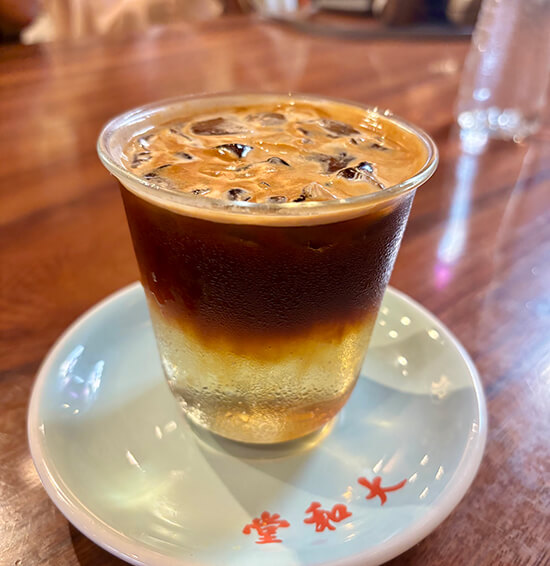
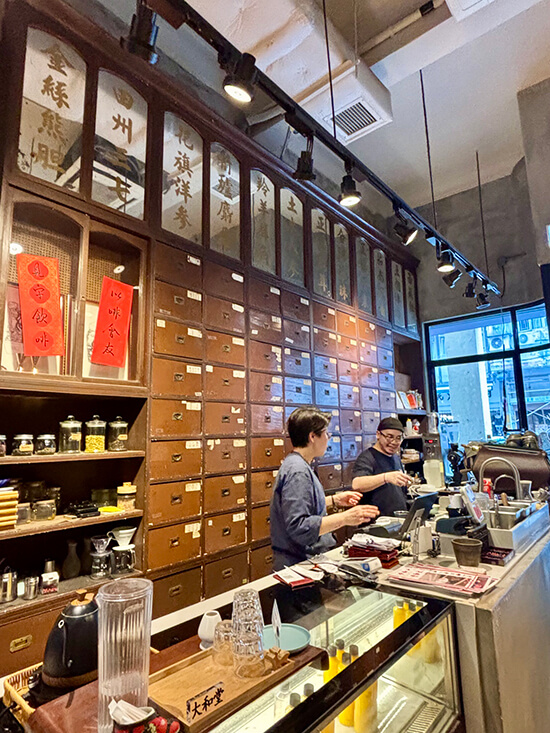
Tai Wo Tang, once a traditional Chinese medicine shop, now a café, still carries the bones of its past. The century-old apothecary drawers remain, each labeled and worn, the wooden bench still there as if patients might return at any moment. You sip a latte laced with honey and Earl Grey—an echo of Hong Kong’s beloved yuen yeung—and it feels like the city in a cup: East and West, old and new, layered without trying too hard.
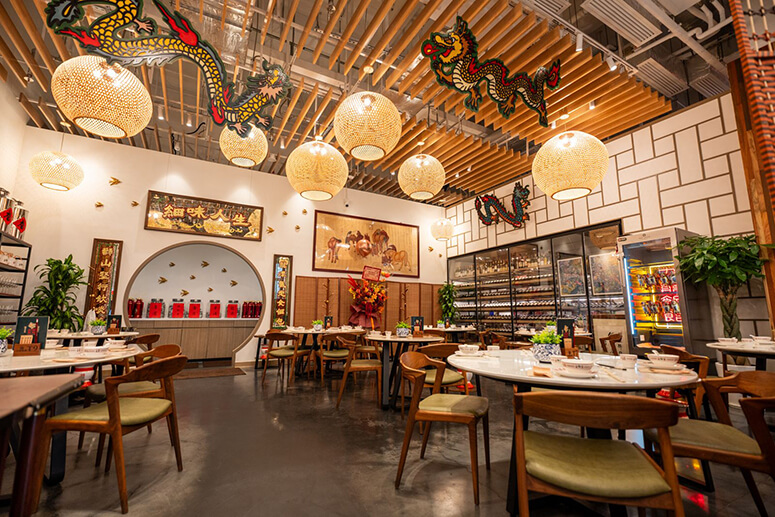
Not far from the usual dining circuits, we also made our way to Dragons’ Den in Wong Tai Sin, tucked inside a quiet residential mall—exactly the kind of place you wouldn’t stumble upon unless someone told you to go. The menu leans into nostalgic Cantonese cooking: wok-fried dishes with that elusive wok hei, claypot braises that feel like home cooking dialed up just a notch. It’s the kind of restaurant that reminds you Hong Kong’s food story isn’t just written in fine dining rooms, but in neighborhood kitchens where tradition carries on, steady and unpretentious.
If Kowloon City was about memory, Towngas was about muscle memory.
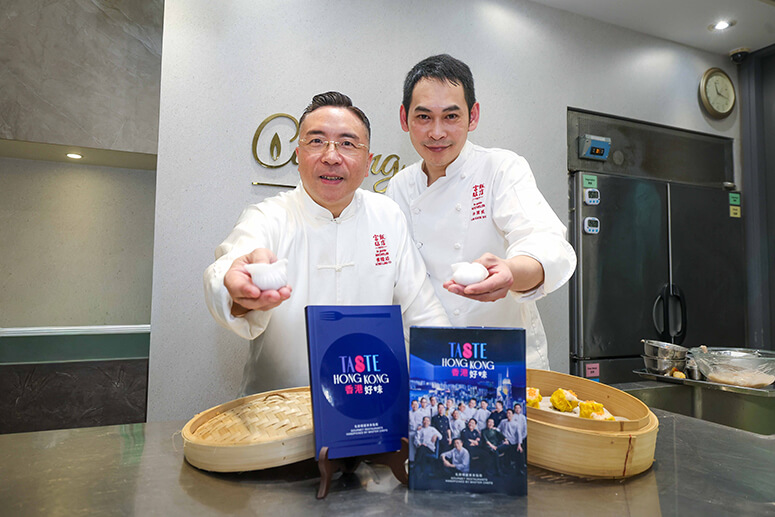
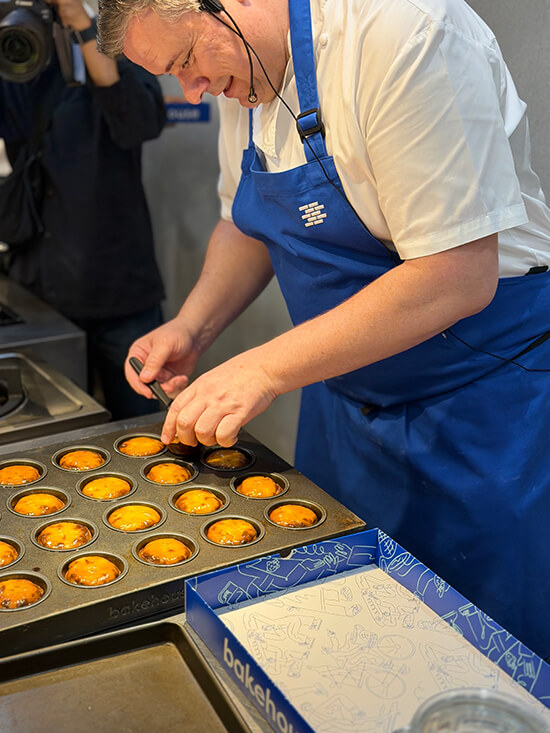
In a bright teaching kitchen, we spent one morning learning the fundamentals of Cantonese craft—first folding siu mai and hargow under the patient guidance of chefs Adam Wong and Oscar Lam of three Michelin-starred Forum, then moving straight into pastry, where chef Grégoire Michaud of Bakehouse walked us through his now-famous egg tarts and a char siu-filled pastry.
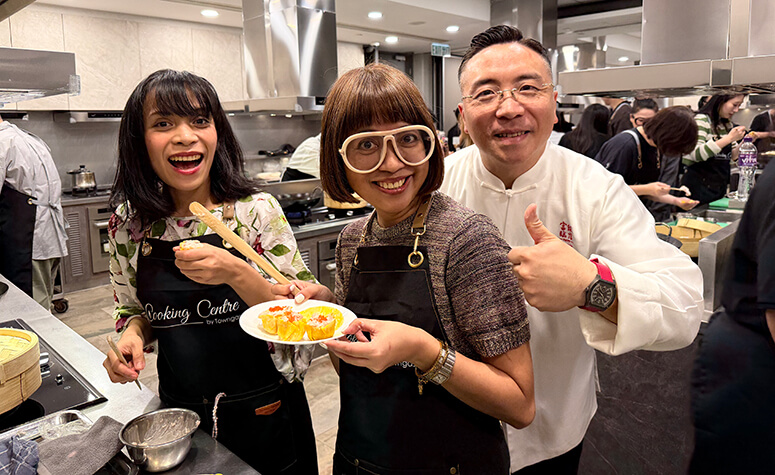
It sounds simple until you try it. The pleats on a dumpling must be even, almost instinctive; the egg tart pastry must shatter just so. Learning both back-to-back was like moving between two dialects of the same language—precision, repetition, respect for technique.
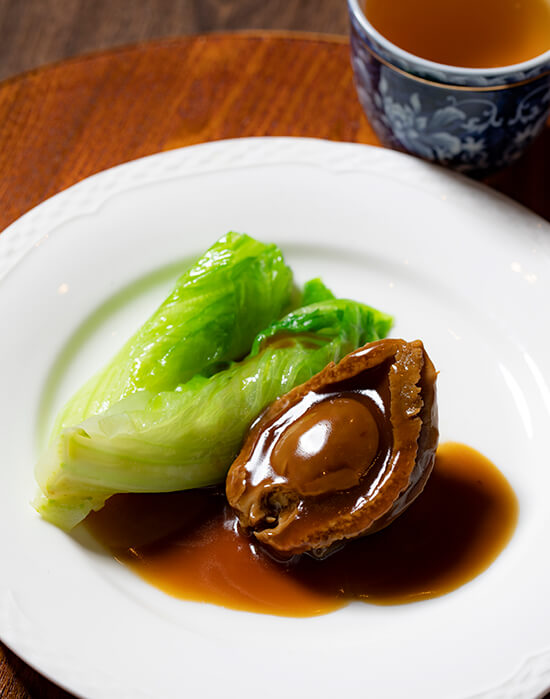
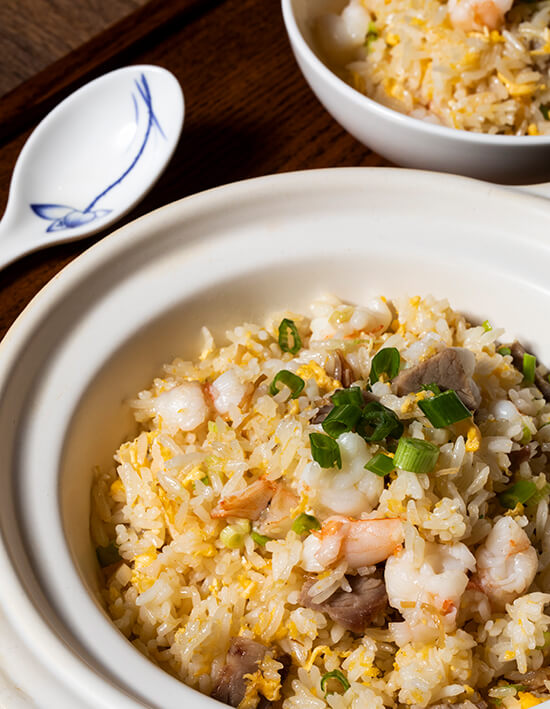
Lunch at Forum followed, and it grounded everything we had just learned. The restaurant, long considered one of the temples of Cantonese cuisine, delivered dishes that were restrained, exacting, and deeply satisfying. The abalone—soft-centered, almost custard-like—was a lesson in patience and mastery. Cantonese cuisine at this level is not about excess. It is about clarity.
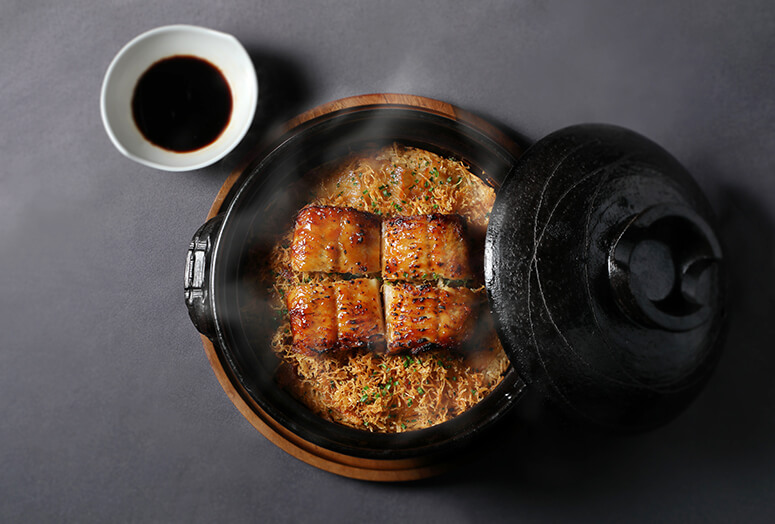
That same philosophy defines The Chairman, this year’s No. 1 restaurant in Asia’s 50 Best. We didn’t manage to dine there—reservations are notoriously difficult, so plan ahead—but its presence loomed large throughout the trip. The restaurant’s devotion to freshness, to sourcing locally and cooking simply but precisely, has made it something of a benchmark. In a city known for luxury, it is quietly radical in its restraint.
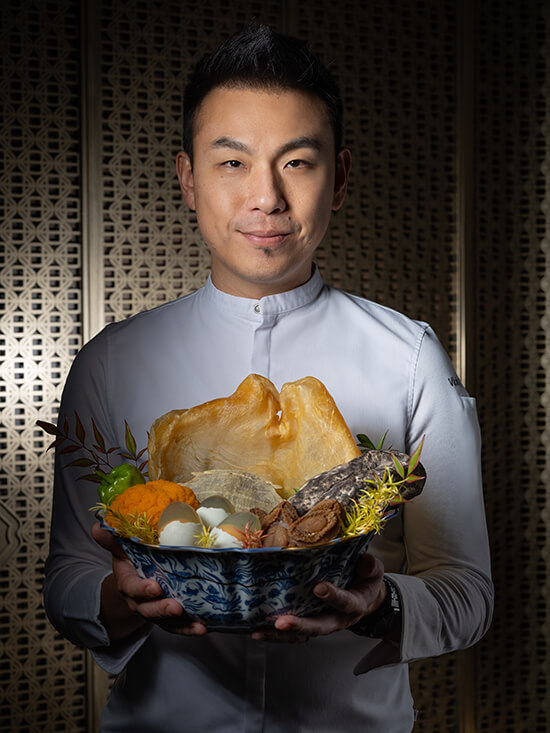
Just upstairs in the same building, however, we did get a glimpse of that ethos evolving. At Wing, ranked No. 2, chef Vicky Cheng offers what he calls “boundaryless Chinese cuisine”—a phrase that might sound abstract until the food arrives. Sugarcane-smoked pigeon, Alaskan king crab paired with crispy cheung fun, ice noodles with coconut sorbet—each dish rooted in Chinese tradition but expressed with a freedom that feels entirely contemporary.
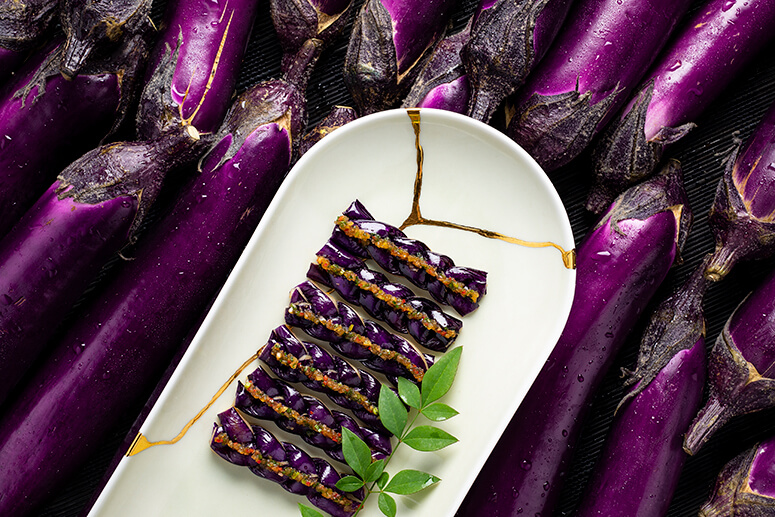
At Bakehouse, the amiable Michaud has turned bread into something like a phenomenon. His sourdough egg tarts—flaky, burnished, impossibly layered—sell some 35,000 pieces daily across his eight bakeries. There is always a line. Always. And yet the philosophy is simple: good bread and pastries, made properly, should be for everyone. Learning to make those egg tarts from Michaud himself felt like a rare privilege. There’s talk of bringing Bakehouse abroad, he tells us, but he laughs at the idea of scaling too quickly—“I only have one body,” he says. For now, Hong Kong keeps him busy.
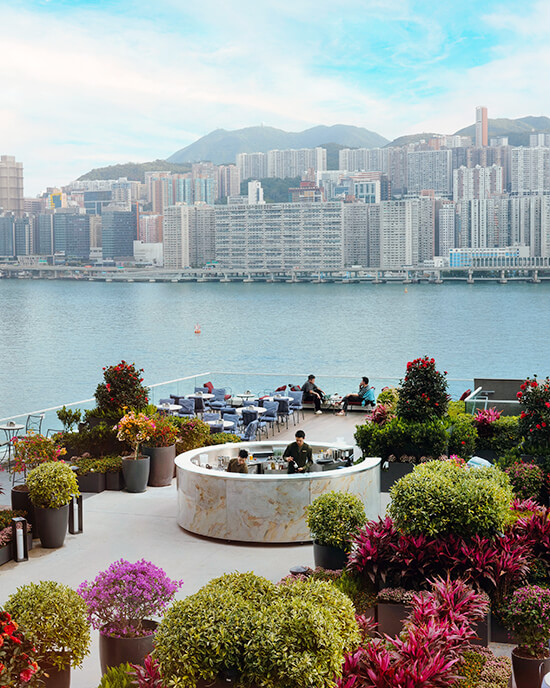
At the Kerry Hotel, where much of the Asia’s 50 Best energy gathered, evenings began at Red Sugar, where cocktails riff on Cantonese flavors —chrysanthemum, salted plum, chenpi—translated into something modern yet familiar. Dinner that followed leaned into comfort and refinement: prawns with black bean sauce, wagyu beef cheek, sweet corn soup with crab, the kind of dishes that feel both celebratory and grounding.
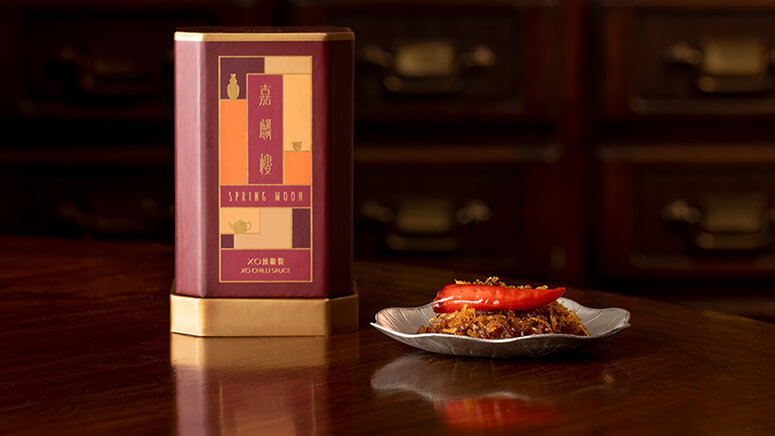
Earlier, at Spring Moon in The Peninsula, Cantonese cuisine took on a more classic, almost ceremonial form. The room itself—art deco, quietly elegant—sets the tone. The food follows with precision and heritage, and the famed XO chili sauce, rich and deeply umami, feels like something worth carrying home.
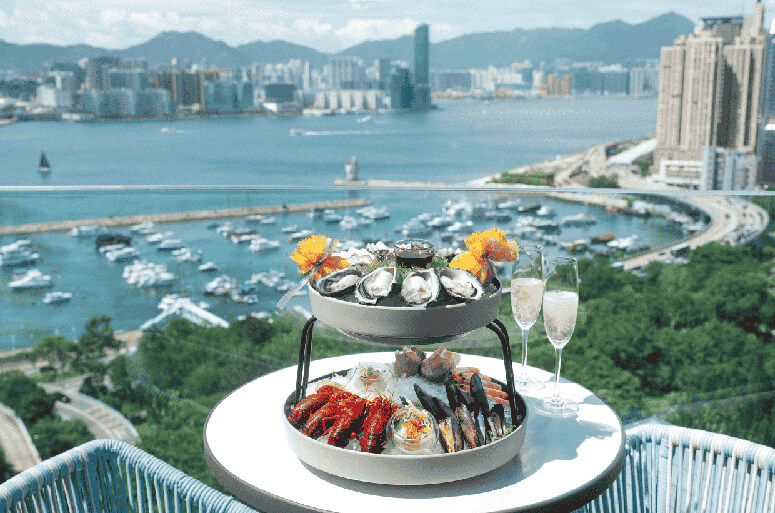
There are quieter pleasures, too. A cocktail at Mius in Central, where “simple things, done right” translates into drinks that are clean, precise, and deeply satisfying. A walk through nearby PMQ, once “police married quarters,” now a creative hub filled with studios and small shops. Then, a nightcap at Skye at The Park Lane Hong Kong, where the city unfolds in a 360-degree shimmer of light across Victoria Harbour.
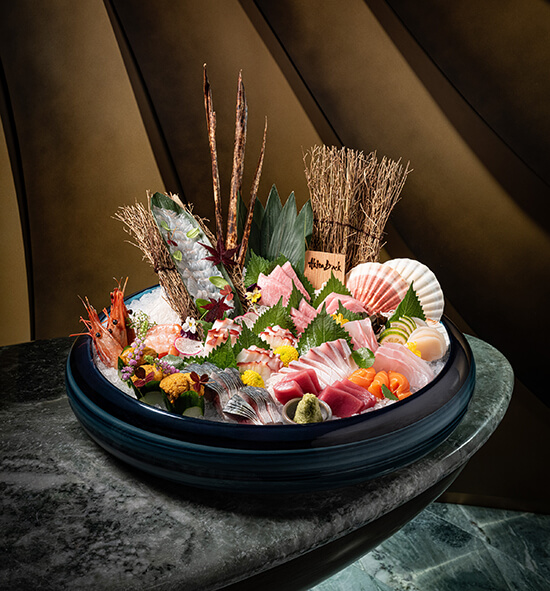
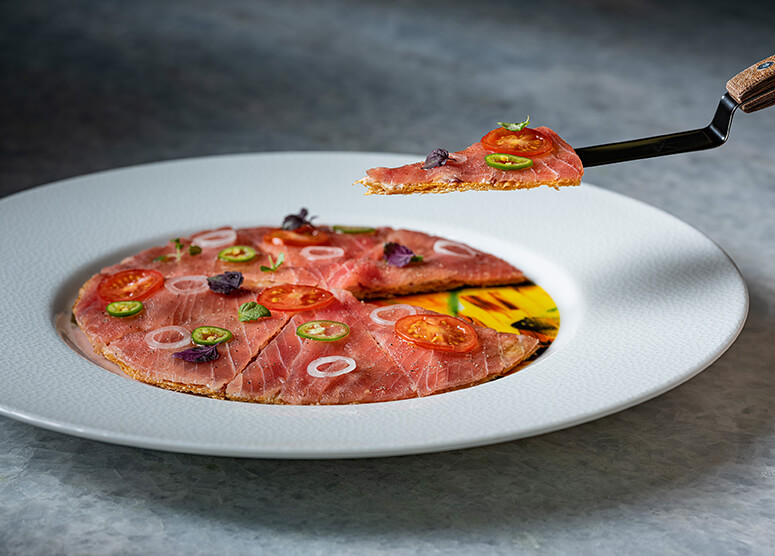
And then, for something entirely different, Akira Back at The Henderson—a building already being whispered about as Hong Kong’s next architectural icon. Inside, the restaurant feels like a stage set: swirling installations, gold-leaf ceilings, textures layered for drama. The food mirrors it—Japanese, Korean, Western influences colliding in dishes that are playful, theatrical, and unapologetically modern. A little trivia: Its namesake chef was once a professional snowboarder before turning to the kitchen.
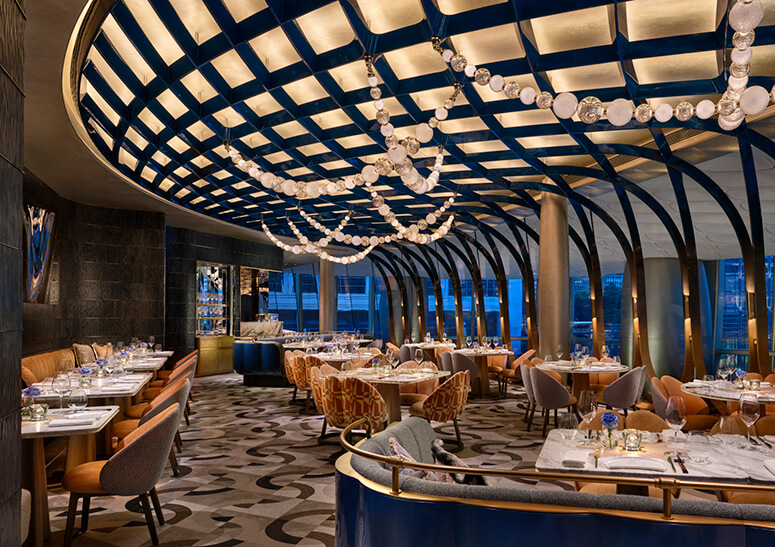
What struck me most, over the course of this trip, was not just the range of experiences, but the confidence behind them. Hong Kong is not trying to prove anything. It knows what it is. A city where a decades-old Teochew restaurant and a boundary-pushing fine dining room can exist not in contrast, but in conversation.
I thought I knew Hong Kong. This time, I realized I was just getting reacquainted. And like any good reunion, it left me wanting more.
