

Lessons & legacies
A family book celebrates heritage and ancestry. In it are tapestries of love and tradition—and these are the true wealth of a family.
Lessons and legacies are found in Z, a 141-page book that chronicles the life and works and richness of the Zamora family of Manila. In the simplicity of the title of the book lies the weight of the Zamora clan.
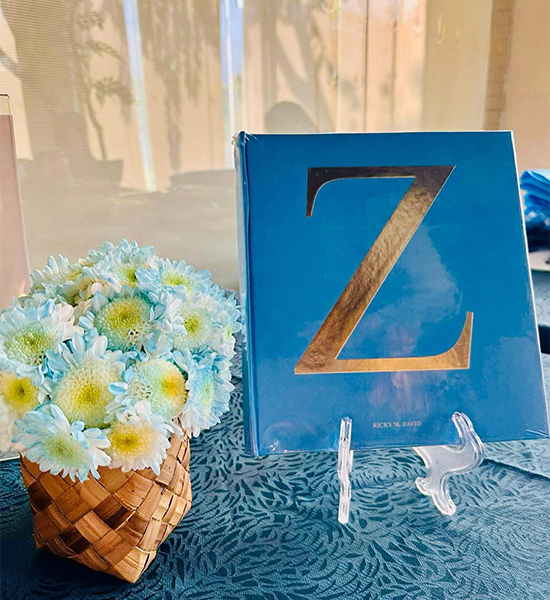
The book zeroes in on the life, works and influence of Dr. Felipe Quisumbing Zamora, hailed as the patriarch who started it all for the illustrious Zamora clan. In the book’s introduction, it was mentioned that Dr. Zamora “was the attending physician to Jose Rizal’s sisters Saturnina, Maria, and Narcisa; and as fate would have it, he was later called upon to assist in the treatment of Leonora Rivera-Kipping, Jose Rizal’s former love, upon the birth of her child.
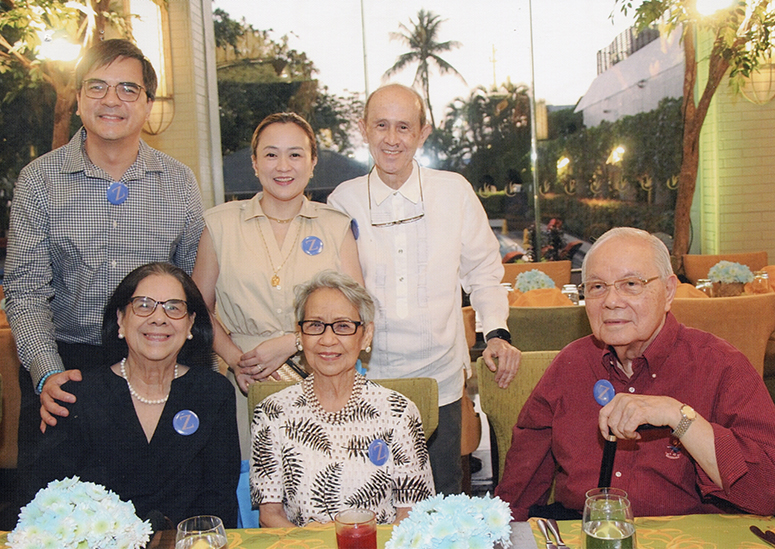
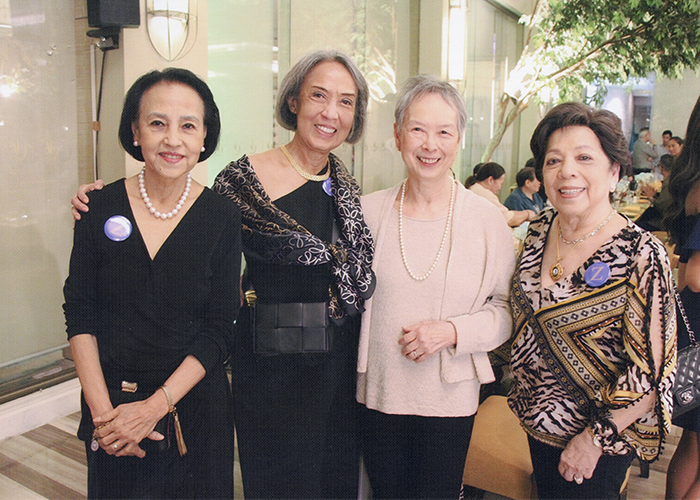
Those stories and other anecdotes about Felipe and his wife Candida Obispo were relived at the recent book launch that also served as reunion of the Zamora clan at the Manila Hotel. An exclusive gathering, in attendance were families who are direct Zamora progenies like the Garcias, Relozas, Revillas, Varonas and Mascunanas.
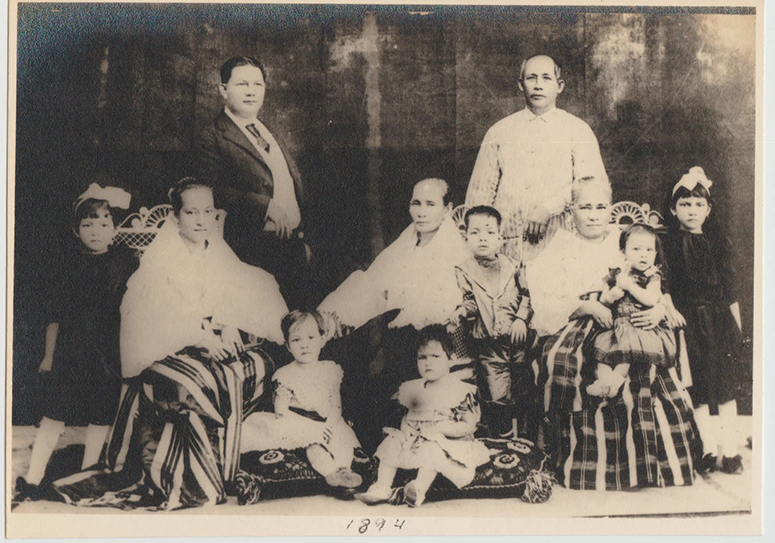
“The best way to celebrate our ancestors is through a family book. The best way to explain the traditions we uphold to this day is by digging into memories many family members keep,” says Rachy Z. Cuna, a proud Zamora descendant, who published the book. His grandfather Jose Zamora, one of the pioneering graduates of BS Agriculture in UP Los Banos, is the only male child of Felipe and Candida. Rachy’s late mother, Patsy Zamora Cuna, is a daughter of Jose.
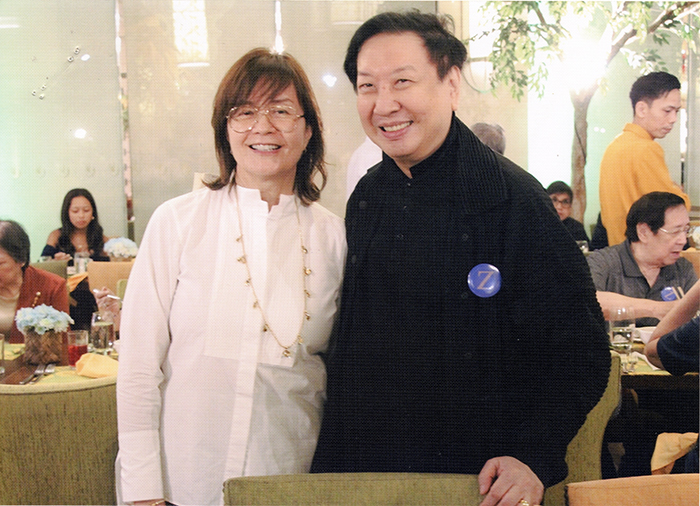
Ricky David, from the Mascunana branch of the Zamora clan, wrote Z and even rummaged through many photo albums. When the photos were dusted off, a sparkling story of the Zamoras was produced.
CONTINUE READING BELOW

Other contributors of stories, memories, and photographs used in the book are Zamora descendants that include Sylvia Roces-Montilla, Tony V. Roces, Trinidad LaO’-Munoz, Bettina R. LaO’, Ernesto R. Lagdameo, Dr. Asuncion “Chona” Abella-Reloza, Regina Zamora Cowell, Louie B. Zamora, Annette M. David, and Rica Zamora.
In their tales are traditions and lessons learned from the children of Dr. Felipe and Candida Zamora: Maria Paz, Trinidad, Rosalia, Jose, Margarita, and Felicidad.
Felipe is the son of Juan Corro Zamora (from Capiz and Binondo) and Filomena Gonzales Quisumbing, a distinguished lady from the Visayas. Felipe lived in Binondo and was among the first graduates of Medicine from the University of Santo Tomas in 1875. He then left for Madrid for further studies and earned his Licenciado de Medicina in 1877. He embarked on further medical studies in Germany and France and by 1880, Felipe was one of the 19 licensed Filipino and Spanish physicians authorized to practice medicine and surgery in the country. He also studied obstetrics in Paris.

“When he returned to Manila amid a cholera outbreak, Dr. Felipe Zamora was honored with a medal cross in recognition of his exemplary medical service in 1884 for helping device comprehensive strategies to mitigate the effects of beri-beri, an ailment he diagnosed in collaboration with Dr. Carlos Koeniger, a German doctor in Manila,” narrates Ricky.
Felipe frequently took his family on a trip to Shanghai, China and Yokohama, Japan, often in pursuit of remedies for his delicate and ailing wife.
“Upon their return from Japan in 1896, Dr. Felipe Zamora faced accusations of procuring arms for the Philippine revolutionaries, resulting in his arrest alongside other distinguished members of Manila’s elite families, culminating in their imprisonment at Fort Santiago.
“His close affiliation with Jose Rizal, coupled with his role as one of the financiers of La Liga Filipina…rendered him a notable figure in this tumultuous period,” Ricky wrote in the book.
Ricky adds that when Felipe was released from prison, his wife died while seeking treatment in Shanghai in 1897.
In 1898, according to Ricky, Felipe resolved to live in exile wth his family in Saigon just to evade the relentless scrutiny of the Spanish authorities. There, he established a flourishing medical practice in Khan-hoi, now Ho Chi Minh City and “ultimately amassed extensive tracts of land as lucrative investments.
The present and future Zamora generations will surely discover an insightful connection to their heritage in Z. In this tome are lessons and legacies.

WATCH: LGBTQIA+ people with unlikely professions
June 28, 2026
WATCH: Is Philippine cinema still thriving? (Generations Ep. 19)
September 2, 2026