

‘Bongga’: How one word defined Filipino self-expression
In the 1970s, Manila was shaped by many things: political tension, cultural shifts, rapid modernization, and an explosion of new artistic influences. But amid all these changes, one thing quietly emerged as a defining spirit of the era: freedom of expression. Perhaps no word captured that spirit more perfectly than “bongga.”
Before it became a slang word synonymous with extravagance, glamour, and excess, bongga was first and foremost a feeling. For many Filipinos, especially the youth, expressing oneself became more than just a personal choice—it became a lifestyle. Whether through music, fashion, dance, nightlife, or language, people searched for spaces where they could fully and loudly become themselves creatively and unapologetically.
The language of Manila sound
The rise of bongga cannot be separated from the rise of—the distinctly Filipino music movement, which helped redefine what Original Pilipino Music could sound like.
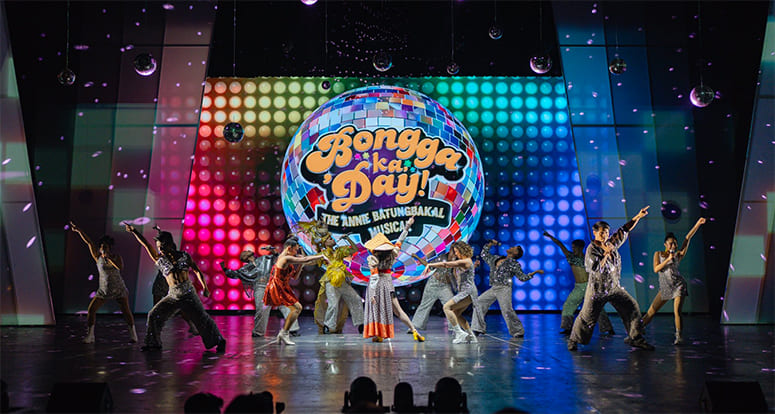
Often described as a blend of rock, funk, jazz, folk, rhythm and blues, and pop sensibilities, Manila Sound localized global music trends into something unmistakably Filipino: playful, conversational, humorous, and deeply rooted in urban life.
At a time when disco culture dominated dance floors around the world, Manila Sound gave Filipinos their own soundtrack to revelry and self-expression. Mirroring what disco was all about, Manila Sound celebrated the same ideals such as freedom, flamboyance, experimentation and joy. Inevitably, the emergence of the genre marked a shift in how Filipinos used language in popular media.
@filipino.tv Ever heard of Manila Sound? It’s the funky, feel-good music that defined the Philippines in the 1970s. Think disco beats, catchy Taglish lyrics, and playful storytelling — a genre that captured the soul of Pinoy life during that time. Often called the ‘birth of modern OPM,’ it paved the way for today’s Filipino pop. In this episode, Tita Salita brings the rhythm, the history, and the artists that made us dance, laugh, and feel proud to be Pinoy. Even if you didn’t grow up in the Philippines, this is your front-row seat to a nostalgic sound that still lives on. ✨🇵🇭🇨🇦🎶🎸🎤 #TitaSalita #ManilaSound #OPMHistory #PinoyMusicCulture #FilipinoThrowback ♬ original sound - filipino.tv
CONTINUE READING BELOW

In a lecture given by Moy Ortiz for the Intramuros Administration entitled “The Nostalgia of Manila Sound,” the multi-awarded composer, arranger, singer and member of The Company gave a thorough review of the genre, a breakdown of its history, and its impact to OPM today.
For decades, Filipino entertainment and broadcasting largely favored formal Filipino and English. But during the rise of Manila Sound, colloquial Taglish, slang and everyday street language suddenly became acceptable and fashionable to hear on the radio.
Unlike today’s personalized playlists and fragmented algorithms, music during the 1970s was communal. Back then, radio was the country’s most accessible form of mass media, and this helped Manila Sound become a collective national experience. Whether one lived in Manila, Bacolod, Cebu or Davao, people listened to the same songs at the same time.
While the songs of young Filipino artists kept breaking ground for Manila Sound and became national hits, the language used in them naturally entered everyday conversation. Slang words once considered informal or niche became socially desirable and as the youth embraced them, the middle class adopted them as well. Eventually, even elite circles absorbed them into mainstream culture.
One of the most enduring examples of this influence during the height of the disco era is Hotdog’s iconic song Bongga Ka ‘Day, which helped popularize the word bongga among mainstream Filipino audiences and immortalized it in pop culture history.
Tracing the roots of ‘Bongga’
To speak the language of Manila Sound was to sound modern, trendy, and expressive, giving rise to many new words in the Filipino language, and one of the words that endured the longest was bongga. The Oxford English Dictionary formally describes bongga as extravagant, flamboyant, stylish, impressive, or over-the-top.
However, the word may also have regional roots, tracing it to the Hiligaynon term buggaitan or bunggaitan, which refers to someone outstanding or prominent. It may also point to the Cebuano word banggiitan, meaning valiant, dynamic, or exceptional.
But beyond regional influence, many scholars also associate the word bongga with Filipino queer culture and gayspeak.
In an article published by the National Commission for Culture and the Arts, writer Reinerio A. Alba discussed how Filipino gayspeak evolved to become both a creative and protective language—one that transformed ridicule and marginalization into humor, affirmation, and self-expression.
Within this context, words like bongga evolved into more than just slang. Gayspeak became a coded celebration of glamour, drama, excess, confidence, and camp.
“Bongga” became closely associated with disco culture, Manila nightlife, beauty pageants, cabaret and performance spaces, fashion, entertainment, and queer communities that used language as performance, resistance, a source of joy, and connection. In many ways, bongga represented an entire worldview: expressive, theatrical, imaginative, and fearless.
What it means to be ‘Bongga’ today
Language evolves because people evolve. When existing words no longer fully capture a community’s experience, emotion, or identity, new words emerge.
In an increasingly curated and filtered world, authenticity has become extravagant, and audacity has become a luxury.
Bongga survived because it described something larger than aesthetics. It described an undeniable energy, a bold presence, and a way of moving through the world that at times demands you to line up and be like everybody else. It’s a word that allows you to have some space to confidently be yourself, and decades later, the word continues to resonate.
Today, bongga continues to describe bold personalities, grand gestures, everyday moments of triumph and fabulosity. But at its core, to be bongga is to be creative without apology. It’s to be bold enough to be seen, and to celebrate individuality and fearless imagination.
Whether it’s 1974 or 2026, to be bongga is still about embracing the freedom to express oneself fully. Which is why, perhaps, up to this day, being bongga still matters.
Come as your most ‘Bongga’ self
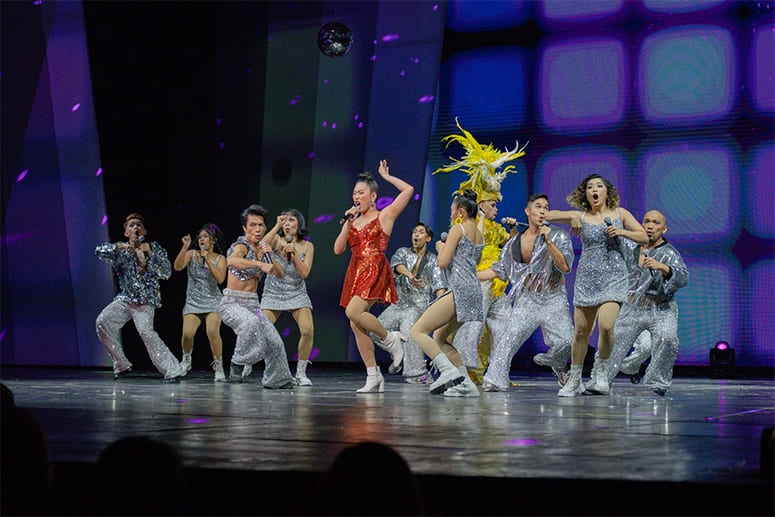
This enduring spirit of freedom, flamboyance, music, and self-expression comes alive once more in Bongga Ka ‘Day: The Annie Batungbakal Musical, featuring the timeless music of Hotdog.
More than a nostalgic tribute to Manila Sound and disco-era Manila, the musical celebrates the cultural movement that gave generations of Filipinos permission to become louder, freer, and more expressive versions of themselves.
So this coming September, come dressed as your boldest, brightest, and most bongga self—and experience the music, movement, humor, and heart of an era that continues to shape Filipino pop culture today.

WATCH: Do you still believe in marriage? (Generations Ep. 17)
August 19, 2026
WATCH: Discovering Vietnam in three days
June 9, 2026