

Getting to know the real Guam
There was excited chatter inside the tour bus as it made its way from the airport along the wide, open roads of Tumon. Outside the windows, the Village of Donki, K-Mart, Guam Premium Outlets, and Micronesia Mall seemed to beckon from behind the perfectly manicured hedges lining the well-paved streets.
It was a fitting welcome to Guam, where one thing immediately comes to mind: shopping. Duty-free stores, outlet deals, and an extra suitcase for all the finds—it’s almost a given.
But the shopping could wait.
We were about to discover a side of Guam that went far beyond its retail reputation—a destination shaped by centuries-old Chamorro traditions, breathtaking coastlines, and a close-knit community that proudly shares its culture.
Guam Mega Fam 2026
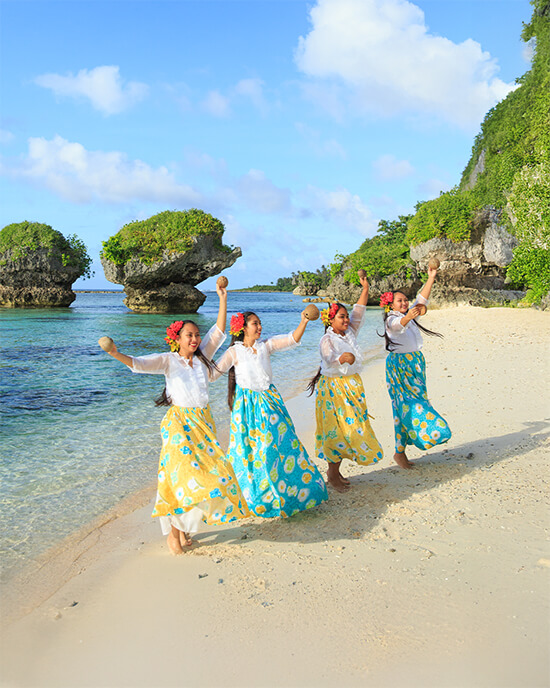
I was among more than 200 travel agents, tour operators, and media representatives from Guam’s key tourism markets invited to Guam Mega Fam 2026, a five-day familiarization tour organized by the Guam Visitors Bureau from Sept. 3 to 7. Held at LeoPalace Resort Guam, the program gave participants a chance to experience a side of the island beyond its malls and outlet stores.
CONTINUE READING BELOW

“Travel has changed, and travelers have changed along with it. People are looking for more than beautiful beaches and attractions,” said Guam Visitors Bureau (GVB) president Régine Biscoe Lee. “They’re looking for authentic experiences, meaningful connections, and a real sense of place, and that’s something already deeply rooted in our island paradise.”
Lee explained that GVB is undertaking a Guam Brand Refresh, placing greater emphasis on what she calls the island’s greatest differentiator: its people, warmth, generosity, and culture.
“It’s the way people feel welcome and cared for while they’re here,” she said.
She also highlighted Inafa’maolek, a deeply rooted Chamorro value centered on harmony and nurturing relationships. It is expressed through generosity, sharing food and stories, joining a fiesta or barbecue, and forging connections that stay with visitors long after they leave.
Once on this island
It was my third time in Guam, and just like the first, I quickly felt at home.
Maybe it’s the air—the kind that invigorates the senses. Maybe it’s the food, prepared with so much love and passion. Or perhaps it’s the locals—the Chamorros—who are charming and gracious, much like us Filipinos.
It’s hard to feel like a stranger on this side of Micronesia when almost everyone you meet seems somehow familiar, and many even speak your language.
At Guam International Airport, the immigration officer greeted me with a cheerful “Kamusta ka?” as soon as I handed him my passport.
Later, at Guam Premium Outlets in Tamuning, I found myself rummaging through a rack of women’s flip-flops inside the Tommy Hilfiger boutique, where a sign read “US$10.” Just to be sure, I asked the salesperson which pairs were included in the sale.
“Lahat po ’yan,” the young woman replied without even looking at me.
Many sales personnel and hotel staff are Filipinos. According to the latest Guam Visitors Bureau report, Filipinos account for roughly a quarter of the island’s population. That probably explains why Guam feels both refreshingly new and surprisingly familiar.
What makes Guam truly unique
Perhaps that sense of familiarity is more than coincidence.
Like the Philippines, Guam was colonized by Spain and later came under American rule in 1898 after Spain ceded the island to the United States. Both also endured Japanese occupation during World War II. It’s little wonder, then, that Guam and the Philippines share similarities in religion, culture, heritage, and cuisine.
But history is only part of the story.
To understand the Guam being presented to today’s travelers, we had to—at least temporarily—leave the malls behind and explore the island for ourselves.
And there was plenty to discover.
Our hosts—Ginny Torreliza, Enderun Marketing account manager for GVB Philippines, GVP Philippines and GVB headquarters team—had lined up an itinerary packed with places and experiences that gave us a taste of Guam beyond its shopping centers.
Southern exposure
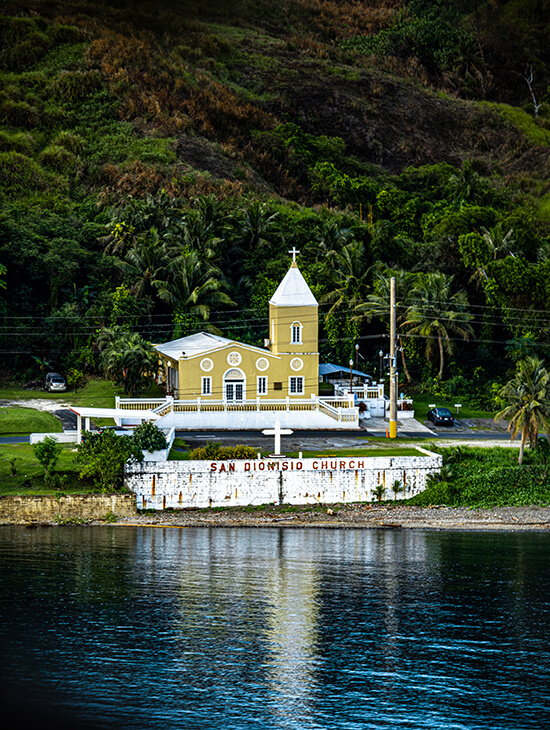
Our Southern Island Tour took us to some of the island’s most scenic and historic spots, beginning with the Inalåhan Pools and Bear Rock.
Our guide, Ron, is a Chamorro whose easygoing manner made the tour feel less like sightseeing and more like a conversation with a local friend. He spoke warmly about Filipinos and shared how deeply the COVID-19 pandemic affected tourism on the island.
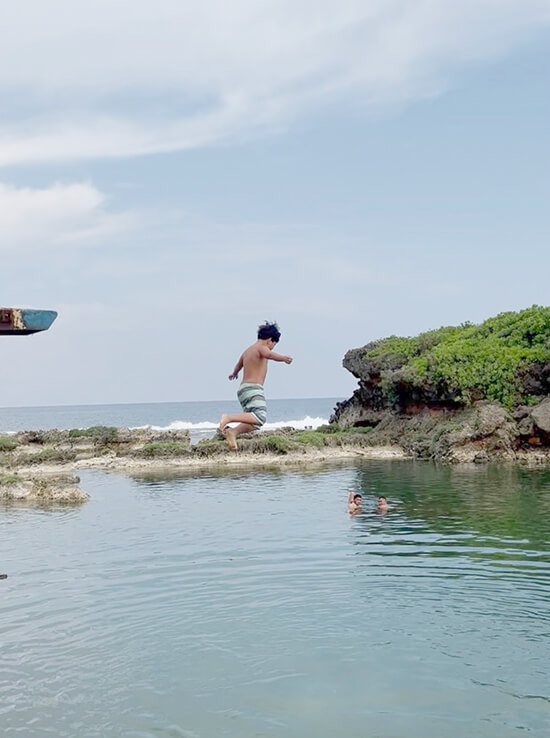
It was a Saturday, and families had come out for picnics and a swim at the Inalåhan Pools. Along the rocky coastline, little pockets of seawater form natural pools where children can splash around while families gather nearby. With the Pacific stretching beyond the rocks, it was an idyllic setting for a laid-back weekend.
For us, it was more than a pretty photo opportunity. It was a glimpse of Guam as locals experience it—outdoors, with family and friends, making the most of the island’s natural beauty.
Bear Rock is a popular spot for weddings. A viewing deck provides a perfect frame for the distinctive rock formation, which rises against the mountains and resembles a bear.
At Cetti Bay Overlook, the view opened dramatically onto Guam’s lush southern hills and blue waters.
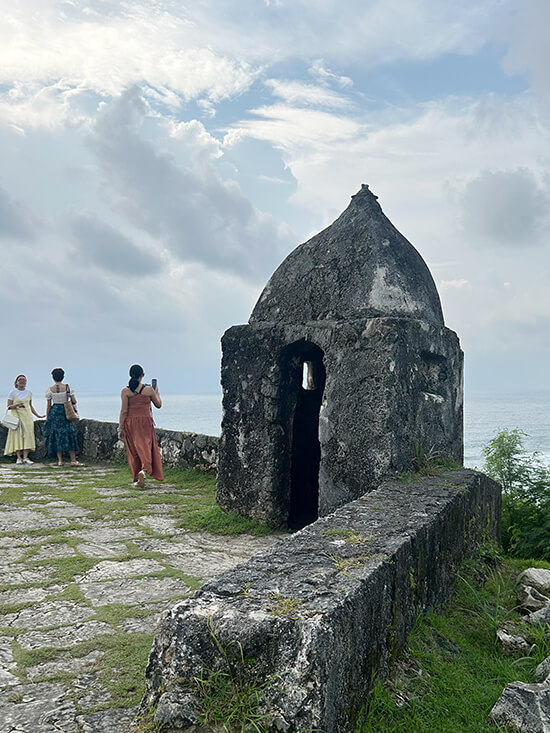
We also stopped at Fort Soledad, a reminder of the island’s Spanish colonial past, perched above Umatac Bay with sweeping views of the coast.
Then there was Emerald Valley, another beautiful pocket of Guam that seemed a world away from the shopping centers and hotels of Tumon. Ron said the spot was a favorite of Korean tourists.
With every stop, the island revealed another layer of itself—its landscape, history, and perhaps most importantly, the people who call it home.
Valley of the latte
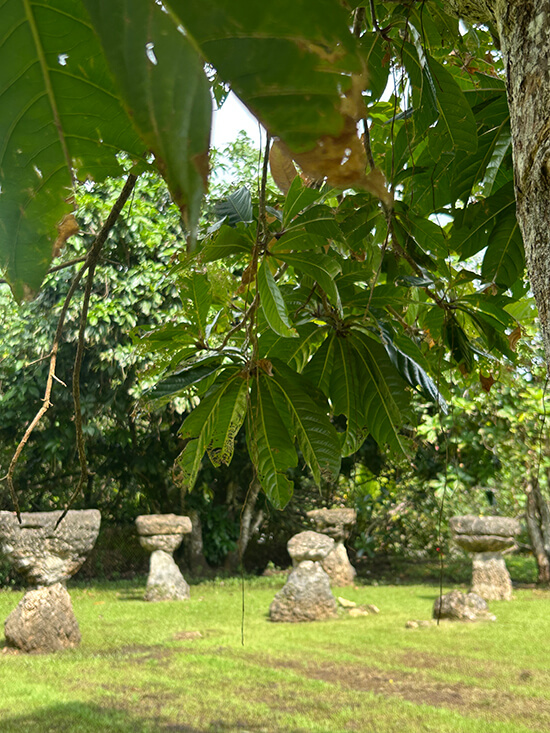
If the Southern Island Tour gave us a glimpse of Guam’s natural beauty and history, the Valley of the Latte Adventure Park brought us closer to its Chamorro heritage.
Set along the Talofofo River, the cultural park showcases the Chamorro way of life through traditional huts, demonstrations, and a river cruise. We learned about latte stones, how to make fire, weaving and other aspects of the island’s heritage. It was easy to imagine what the island might have looked like centuries ago.
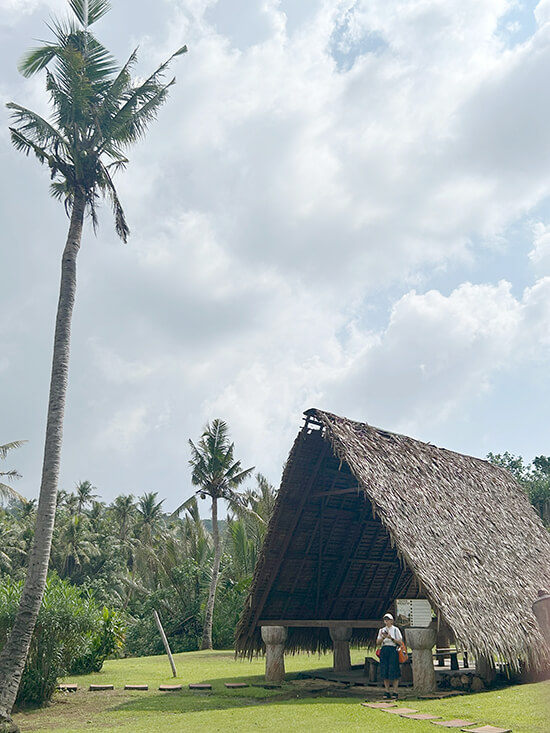
A word of caution, though: Come well-fed and hydrated. The weather can be unpredictable—sunny one moment, rainy the next—and one of our fellow participants nearly fainted during the tour.
A love story on the cliff
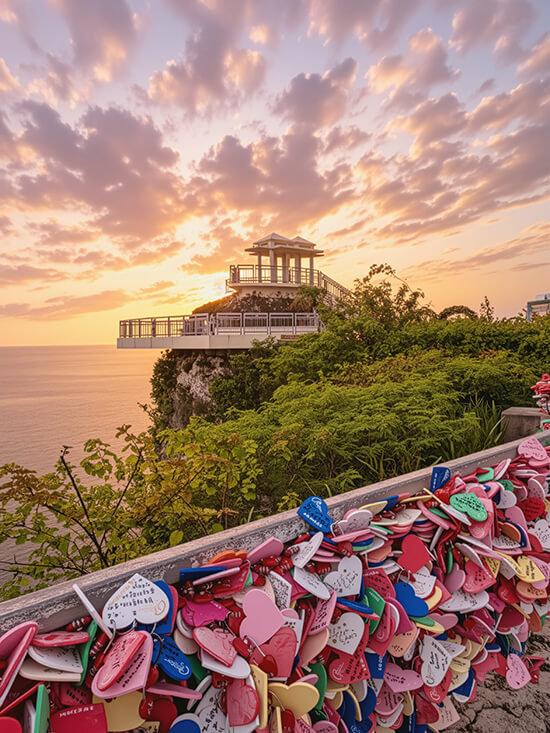
It rained almost every day during our stay, so we had to skip one of the island’s most popular attractions, Two Lovers Point. Thank goodness, I had already been there on previous visits.
Known in Chamoru as Puntan Dos Amantes, the dramatic cliff overlooking Tumon Bay is tied to the legend of two forbidden lovers who, rather than be separated, tied their hair together and leapt from the cliff. The tragic tale has become one of Guam’s best-known legends.
A taste of Guam
Getting to know Guam also meant getting to know its food. And like its people and history, Chamorro cuisine carries unmistakable Filipino echoes—familiar flavors, but with a character all its own.
Our first meal on the island was at Crab Daddy, where we dug into a seafood spread tossed in flavorful sauces and enjoyed with all the messy, hands-on fun that comes with it.
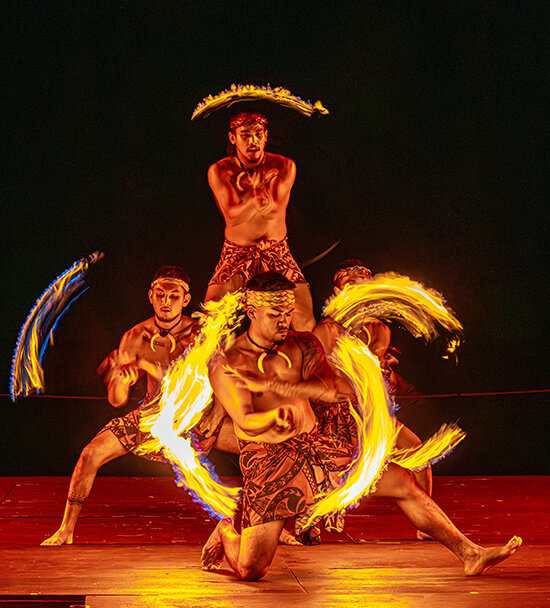
We also joined the Fish Eye Cultural Dinner Tour, a buffet dinner featuring an international spread with music, dancing, and cultural performances. It was literally a feast for the senses—and another fun way to experience a taste of Chamorro culture.
One of our more memorable food stops was Jeff’s Pirate Cove, nestled along historic Togcha Beach.
Inside the restaurant, wooden tables and benches are arranged for group dining. We tucked into steak tacos, wings and the house specialty: whole deep-fried parrot fish with red rice, a Chamorro staple. The fish had a distinct aroma and, interestingly, tasted much like our own tilapia.
Right beside the main dining hall is the Jeff’s Seaside Museum, which chronicles the remarkable story of Shoichi Yokoi, a Japanese Imperial Army sergeant who survived in Guam’s jungle for 28 years after World War II ended. Photographs of Yokoi and the artifacts discovered with him brings his incredible story to life, offering a glimpse into his remarkable survival and ingenuity in the jungle.
Ready, set, shop
And finally, there was the shopping.
After days of exploring Guam, we could no longer resist the siren call of retail therapy. And yes, even for us budgetarians, we shopped like crazy.
But somewhere between the beaches, heritage sites, local food, and conversations with the people who call the island home, we discovered there was much more to Guam than what was on our shopping list. And that, perhaps, was the best thing we brought home.
***
Travelers planning their next Guam getaway can also take advantage of the Fly to Guam Raffle Promo, running from Sept. 10 to Oct. 31 by GVB. Eligible travelers who purchase a qualified Guam travel package with roundtrip airfare from Manila to Guam through participating travel agencies and wholesalers can earn one raffle entry per qualified booking, with participation requiring the traveler’s voluntary consent. The promotion offers another incentive for travelers to turn their Guam travel plans into an opportunity for more rewards.
For inquiries, you may also check the official Instagram post at Fly to Guam Raffle Promo on Instagram.

WATCH: Pixar Summer Fest adventure at Hong Kong Disneyland
August 10, 2026
WATCH: Why is it so hard to make friends? (Generations Ep. 26)
October 21, 2026