

From Cebu to Finland, a ceramic collection carries history across the sea
In Fiskars, a village in Finland known for design, history from Cebu now sits in quiet conversation with contemporary art.
There are bowls and plates, vases and jarlets—ceramics once transported across Asia’s bustling trade routes, only to be recovered centuries later from Philippine soil and sea. Some were buried with the dead; others survived shipwrecks, and some passed through countless hands before coming to rest in a museum collection in Cebu.
Now, more than 40 of them have traveled once again, this time to Finland, where they are on display at KWUM, a studio ceramics museum and gallery known for its devotion to craft, form, and artistic memory.
Bahandi: The Rosita Arcenas ceramics collection
The Bahandi Collection traces its roots to the vision of Rosita R. Arcenas. In the early 1960s, encouraged by her friend Maria Teresa “Bing” Escoda-Roxas to preserve Cebu’s cultural heritage before it was taken elsewhere, Arcenas began collecting Visayan ecclesiastical art and ceramic trade ware from across the Visayas.
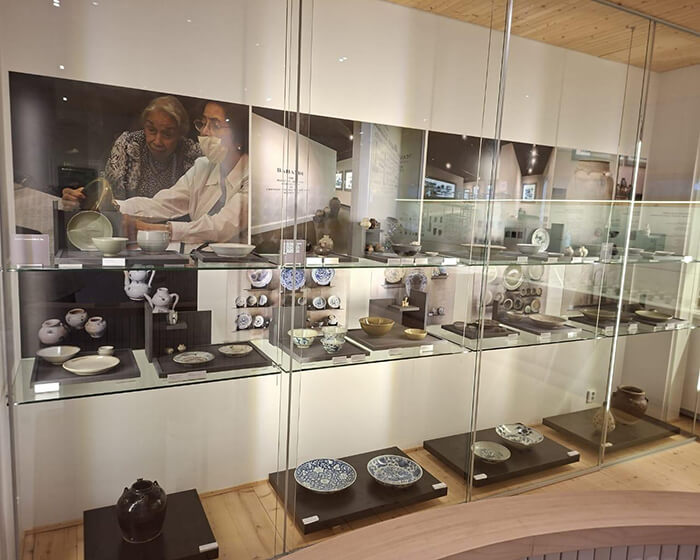
Her collection of religious art later became the Rosita R. Arcenas Handumanan Gallery at the University of San Carlos Museum in Cebu City. Her extensive ceramic holdings, however, remained in the family library for years until the family sought the help of Rita C. Tan, the country’s foremost authority on Chinese trade ware. With Tan’s guidance, around 500 ceramic pieces were curated into what is now the Rosita Arcenas Bahandi Gallery of Chinese and Southeast Asian Trade Ware at the USC Museum.

From Cebu to Finland
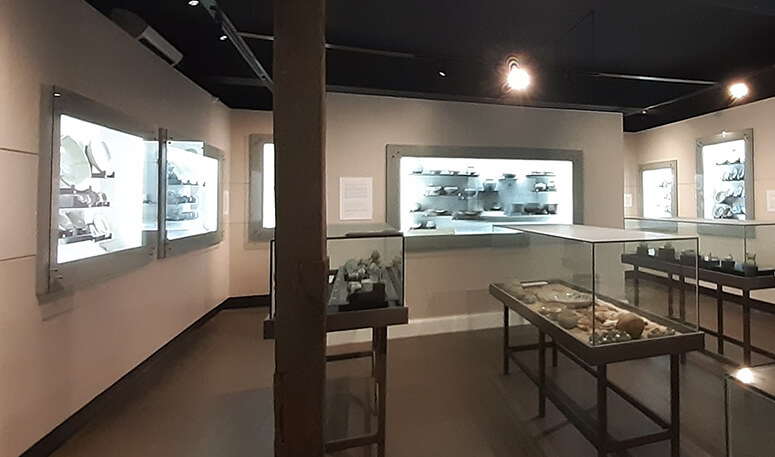
The journey from Cebu to Finland began with family, friendship, and a shared love of ceramics. Rosita’s son, Raul, who now spends part of his time in Finland with his wife Johanna Klinge, developed a friendship with Karin Widnäs, the founder of the KWUM Studio Ceramics Museum and Gallery and a respected figure in Finnish ceramics. From their conversations came the idea of placing modern Finnish ceramic art alongside centuries-old trade ware from China and Southeast Asia. Forty-six pieces from the Bahandi Collection were selected for the exhibit.
Bringing the ceramics required extensive documentation, proof of ownership, photographs, and formal registration for privately owned movable cultural property. The process demanded precision, patience, and institutional support. The National Commission for Culture and the Arts of the Philippines played a crucial role, guiding the family through requirements for approval, authentication, and protection of the ceramics during transport.
The exhibit at KWUM in Fiskars Village
The setting at Fiskars adds its own historical weight to the exhibition. Over the past several decades, the village has emerged as a major Finnish center for art, craft, and design, shaped by a resilient community of makers whose exhibition culture dates back at least to the early 1990s.
Barbro Kulvik and Antti Siltavuori—the designers responsible for the Bahandi exhibit—organized the first Copper Smithy exhibition in late 1993 alongside Karin Widnäs. This event is widely seen as a foundational milestone in the development of Fiskars’ artistic identity.
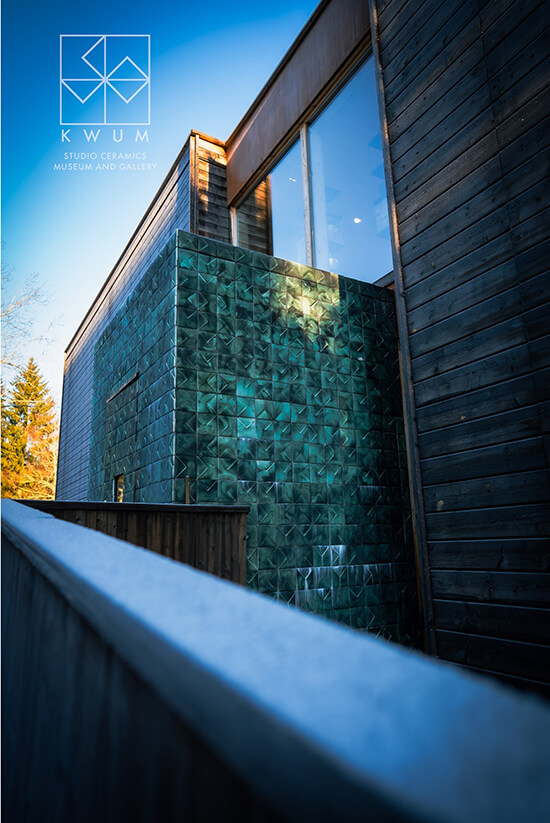
Now installed at KWUM, the Bahandi pieces are shown alongside the luminous glass and steel works of the celebrated Finnish artist Ritva-Liisa Pohjalainen and a selection of exquisite Finnish showpieces from Widnäs’ private collection. The pairing is striking. Ancient jarlets, celadon plates, blue-and-white dishes, and Song and Tang-era ceramics stand beside contemporary forms of light and metal. The result is not a simple contrast between old and new, but a dialogue across time, geography, and material tradition.
What makes the exhibition memorable is not only the rarity of the objects, but the breadth of the story they carry. These ceramics once crossed seas as goods of trade. Now they cross borders as bearers of memory. From the Queen City of the South to a design village in Finland, they remind us that history is not fixed in textbooks or archives alone. Sometimes it survives in clay, in glaze, in the curve of a bowl, and in the long journey of an object that still has something to say.
The "Bahandi – The Rosita R. Arcenas Collection" exhibition runs through March 29.

WATCH: Pixar Summer Fest adventure at Hong Kong Disneyland
August 10, 2026