

Tool, not a replacement: How top visual storytellers draw the line on AI
There are many things that happen inside the studio before production begins—from setting up heavy equipment and switching on big lights to creators discussing with their team how they want to tell a story.
For a long time, this was the only way to do it. But today, with the prevalence of artificial intelligence, anyone can easily type a prompt and generate a polished image or scene in seconds. As these tools continue to advance, however, they have also sparked a growing fear that machines could eventually replace the human creators behind the work.
At the recently concluded ASUS ProArt Creator Connect 2026, commercial photographer Jay Tablante and director Dan Villegas acknowledged that threat, but stressed that modern technology is something that creators should learn to use while keeping it in its proper place.
Drawing the line
While new tools can speed up a workflow, both storytellers argue that great work still relies on clear purpose, deep understanding of your subject, and the people you surround yourself with.
For Tablante, who is known for his commercial and cosplay photography, staying relevant means adopting new tools without giving up your personal style. When asked if AI ever makes it into his final photographs, he said, "No, not in a traditional sense. I don’t use it on my final output, but I do use it to conceptualize."

Instead of asking AI to create finished photographs, he uses it like a digital whiteboard during early planning. It helps him build rough moodboards, explain visual ideas to clients, and outline lighting ideas before a shoot. But once he picks up his camera, every final image relies entirely on real studio lighting, camera skills, and human direction.
“At least for me it has to be human-made, but AI was there to help me speed up the process," he said. "You have to experience making it [the craft]. Iba 'yung satisfaction eh kapag it’s made by your own hands."
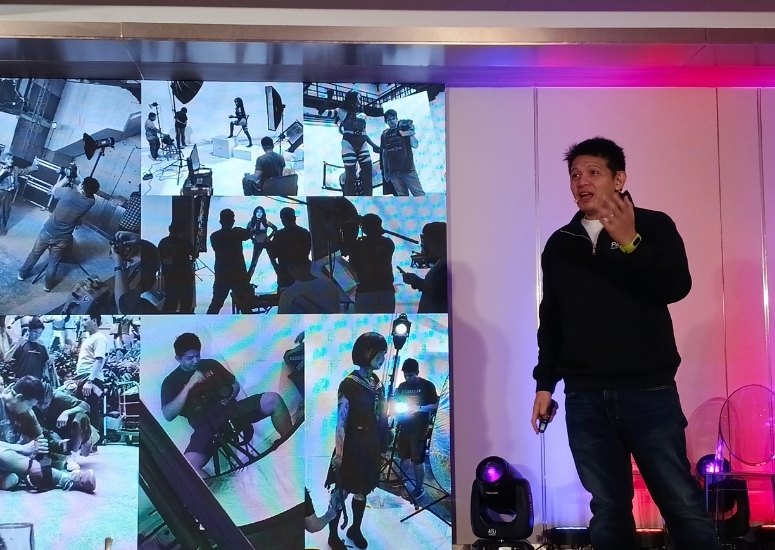
Director and cinematographer Dan Villegas looks at technology from a similar angle. As someone who has been in the film industry for years, he sees high-performance equipment as something that exists to remove unnecessary stress, not to do the creative thinking for you.
"There is an advantage if you have access to technology, but it wouldn't hurt [if you don't]. It's not a hindrance to being creative," he noted.
Staying creative
When making things becomes too easy, people miss out not just on the practice that builds real skill, but also some of the best parts of creative work: teamwork, friendship, and real mentorship. While smart tools can generate quick answers, they can't really support an exhausted crew through a long shoot, nor can they guide your career choices over a decade.
That's why the human touch can't be replaced even as technology continues to advance.
For Villegas, surviving in a tough industry comes down to the people around you. "You want to stay creative. Part of the process is that you work with people who love and trust you and believe in the same things that you do. That is very important.”
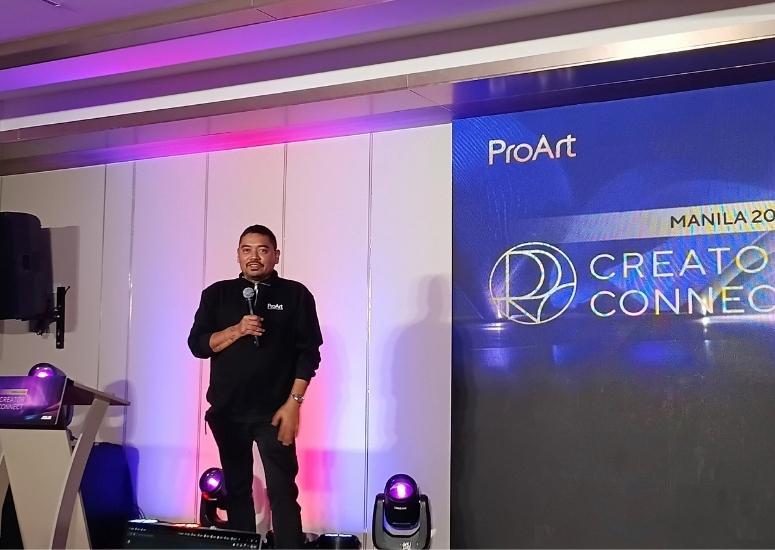
Because production work naturally brings high pressure, surrounding yourself with people who share your values could help turn stressful shooting days into opportunities for growth rather than burnout. “So in those moments of stress, it’s very important that you surround yourself with people who understand you.”
Villegas admits he wouldn't be working in the film industry today if he had not met a great mentor early in his career. A search engine can answer technical questions, but only a real mentor can recognize your potential, refine your talent, and encourage you to keep going when things get tough.
For Villegas and Tablante, then, the real problem is not that machines are getting smarter. It's when creators forget why they are making stories in the first place.
"To stay creative, you have to work on purpose. It’s okay to be goal-oriented, but it has to have purpose," said Villegas.
That sense of purpose also means understanding the people whose stories you are telling. Tablante stressed, “You have to understand the world of your subject.”
For young creators who are hoping to make it to the creative industry, his advice is simple: "You have to be a fan first of what you are doing."
To get started, Villegas said, “Work with what you have.” Instead of waiting for the perfect tools, master the ones you already have and let your own vision guide the final output. While technology can help bring an idea to life, it's still the human behind the idea who gives it meaning.

WATCH: How does impeachment in the Philippines work?
May 19, 2026