

PH's first two local telesurgeries completed with surgeon in Pampanga, patient in Cotabato, and vice versa
A team of Filipino surgeons has successfully performed two remote surgeries using a robot in the first-ever inter-regional telesurgeries in the country.
According to a Facebook post by Cotabato Regional and Medical Center on Saturday, Sept. 5, "Matagumpay na naisagawa ang dalawang robotic cholecystectomy procedure sa dalawang pampublikong ospital na may layong humigit-kumulang 1,400 kilometro mula sa isa't isa."
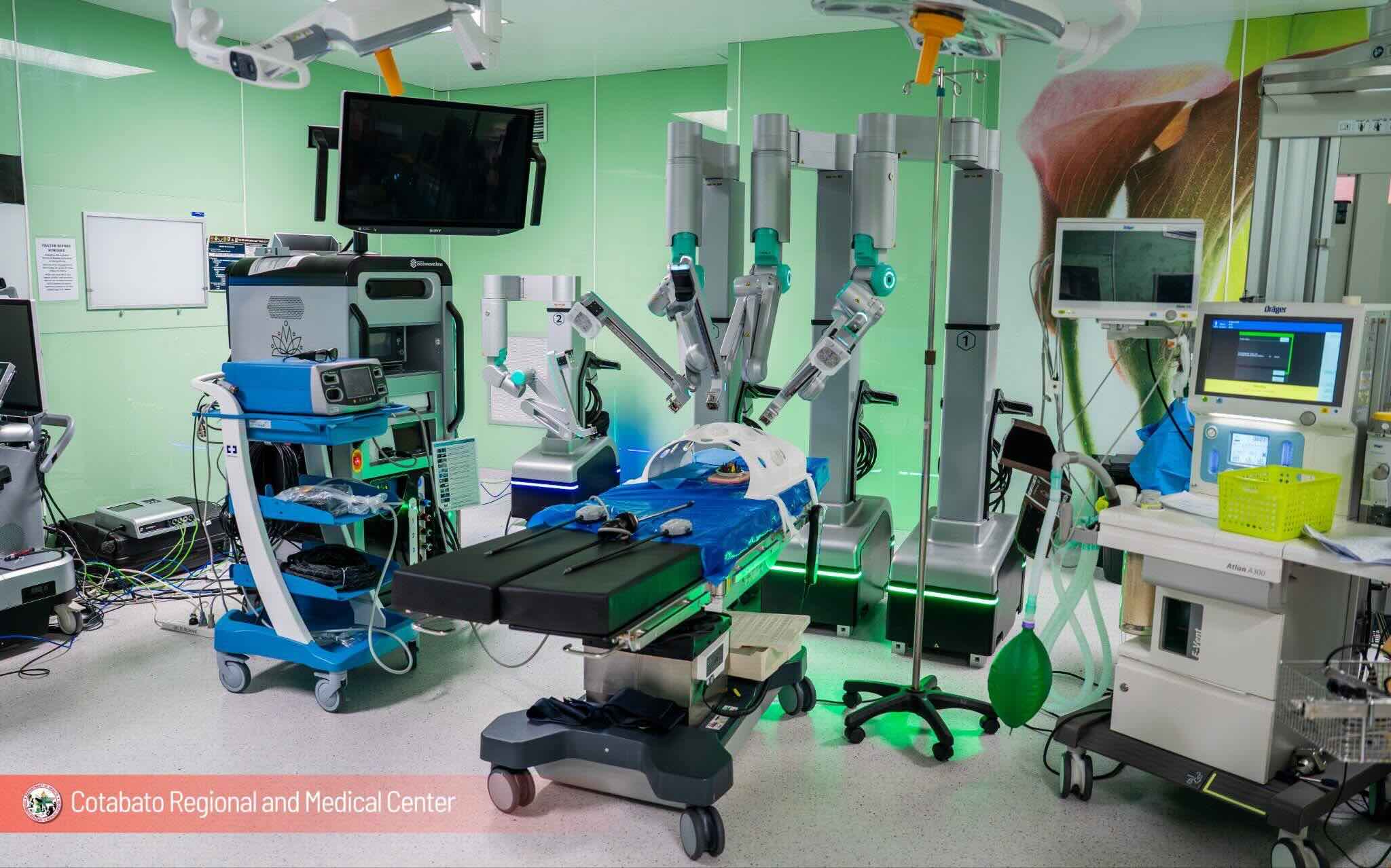
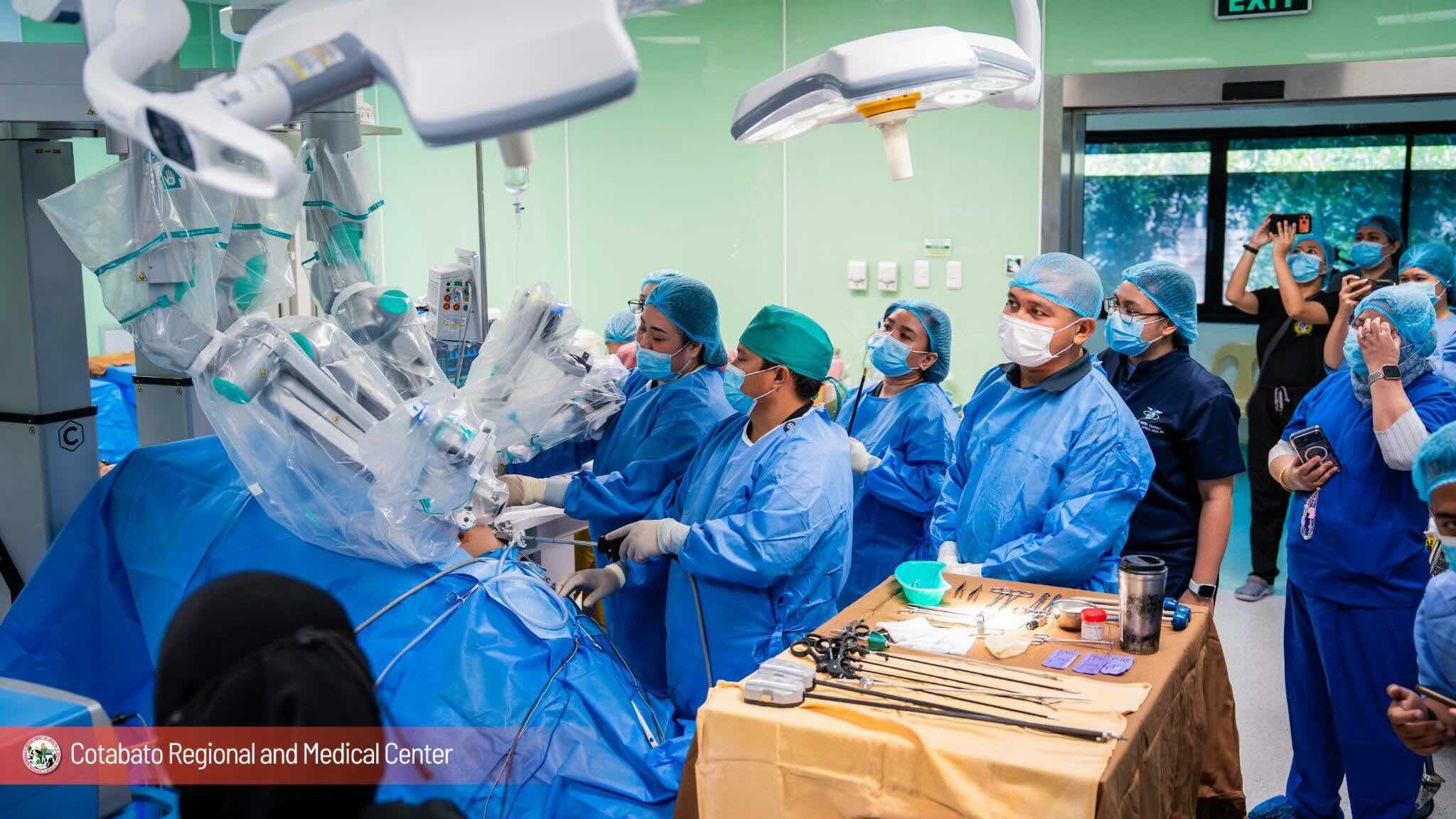
The first surgery took place at 8 a.m. on Saturday, with the patient in CRMC, Cotabato City and the surgeon in Jose B. Lingad Memorial General Hospital in San Fernando, Pampanga. At 1 p.m. on the same day, another surgeon, this time from CRMC, performed telesurgery on a patient who was at JBLMCGH.
This breakthrough will now allow surgeons to help those who are in remote areas without access to medical assistance, according to a report by TV Patrol.
"Ito'y napakaimportante kasi tinitingnan na natin 'yung mga lugar na walang siruhano, mga lugar na mahirap marating. Nakakapag-access ang ating mga kababayan at hindi hadlang 'yung espasyo o 'yung geographic location para maka-avail nitong serbisyo natin," said Health Secretary Edwin Mercado.
CONTINUE READING BELOW

In the TV Patrol report, Dr. Ryan D. Quiambao—head of Minimal Invasive Section, General Surgery, and Robotic Surgery of JBLMCGH—said that with his patient under anesthesia, surgical tools were brought in then the robotic arms were docked.
Quiambao sat at a console and performed the surgery by controlling the robotic arms in Cotabato via the Internet. Foot controls took care of the cutting and cautery. The delay between Quiambao's controls and the robotic arms moving was just .76 milliseconds.
"It's like doing the surgery na nandyan lang 'yung pasyente," Quiambao said.
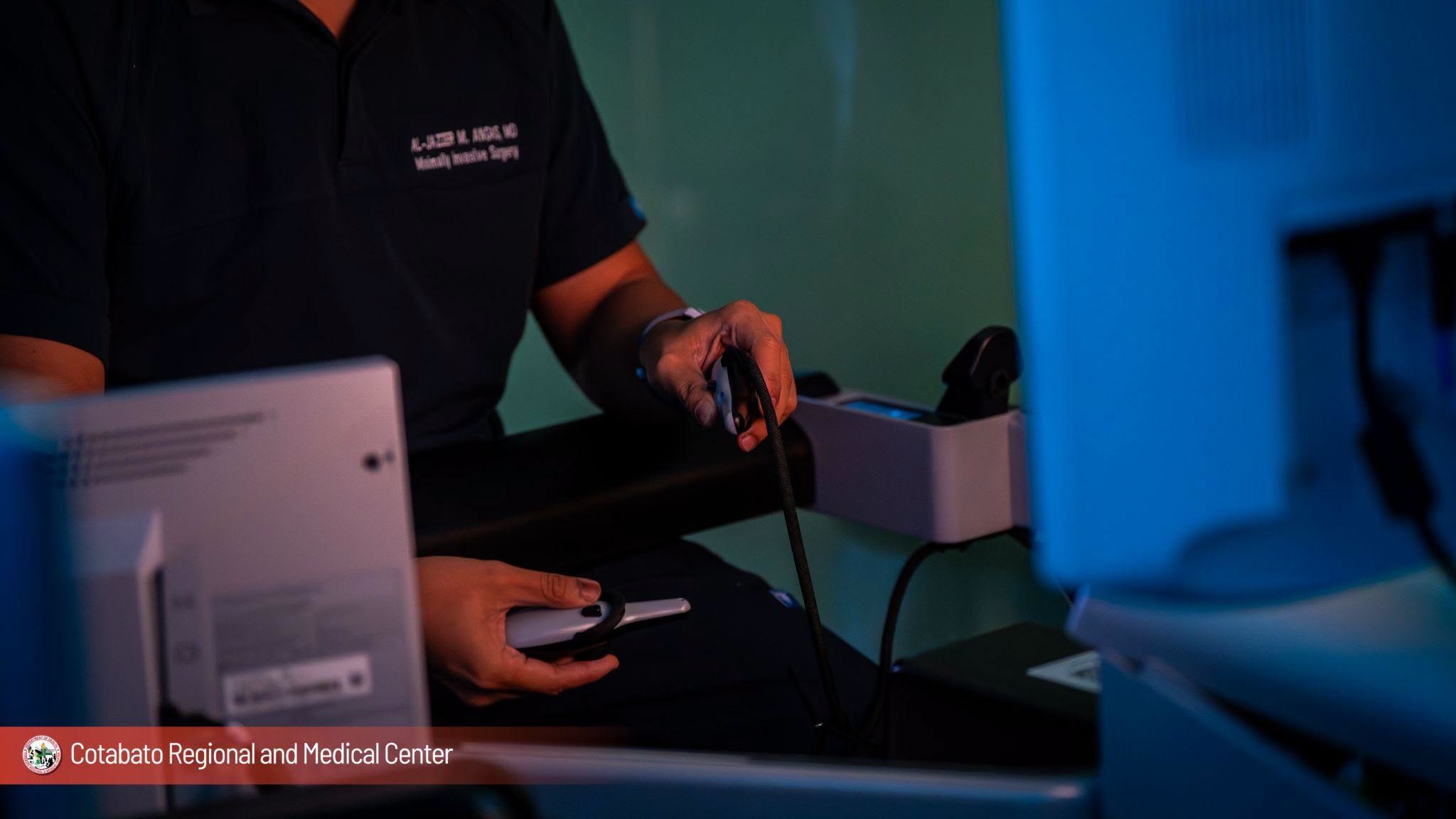
The surgery, which used the Mantra 3.0 robotic surgical system, was over in less than an hour.
The robot is programmed to do numerous procedures, according to Dr. Sudhir Srivastava, founder, chairman, and CEO of SS Innovations Int'l. Inc., which collaborated with India's RBGM Medical Express Sales Incorporated to bring the technology to the Philippines.
"It's a multi-arm soft tissue robot that can do all kinds of procedures from mouth down to pelvis and everything in between, including heart surgery," Srivastava said, adding that the robot has performed almost 15,000 cases without complications.
The robot's precise actions, supported by magnification, allow it to see and reach hard-to-locate tumors, gallstones, cysts, etc. According to an article published in the National Library of Medicine, patients undergoing robot-assisted surgery experience less blood loss, less scarring, and faster recovery periods because of the smaller cuts the robotic arms make.
According to CRMC, the historic telesurgeries not only demonstrated the capacity of medical technology to connect regions, but also put the country on the path toward modern medicine.
"Ipinapakita ng telesurgery kung paano napagdurugtong ng teknolohiya ang mga rehiyon upang maihatid ang espesyalistang serbisyong pang-opera sa mas maraming Pilipino. Higit pa rito, ito ay isang mahalagang hakbang tungo sa mas moderno, mas konektado, at mas episyenteng sistemang pangkalusugan sa bansa," the hospital wrote in its statement.
"Ang kauna-unahang regional telesurgery sa Pilipinas ay isang patunay na walang hadlang ang distansya sa paghahatid ng dekalidad na pangangalagang pangkalusugan," CRMC added.
The surgical robot, which includes a laparoscopy tower, robotic arms, and console, costs P180 million.
Qualified patients can avail of telesurgery for free, however, if the public hospital has a zero-balance billing program. PhilHealth and the Department of Health's medical financial assistance can cover the cost of the entire surgery for patients who qualify.
Weeks ago, the Philippines also had its first-ever case of telesurgery done by a surgeon in Shanghai, China, on a 53-year-old patient in the Urology Center of the Philippines.
Per a report by ONE News, the surgeon did a robot-assisted radical prostatectomy on a patient who had an intermediate risk of prostate cancer. The patient's cancerous prostate was successfully removed in the surgery that lasted for more than five hours.
According to the surgeons, if internet connectivity had failed mid-surgery, there was an expert surgeon on standby beside the patient, ready to take over.

WATCH: Can you still trust someone who betrayed you? (Generations Ep. 22)
September 23, 2026
WATCH: Do you still believe in marriage? (Generations Ep. 17)
August 19, 2026
WATCH: Is OPM still as good as it used to be? (Generations Ep. 20)
September 9, 2026