Chairs are about design, memory, history and power
Chairs hold so much memory. High chairs and mini versions of the adult ones bring back all the joys of childhood in our homes, while growing pains and difficult exams are associated with those school chairs with attached tables. Batibot chairs recall fun meriendas at soda fountains. A gallinera would make us remember Lola, who had one downstairs, a vestige of a past era when farmers waited and deposited their roosters in the cage underneath. Upstairs, the butaca recalls lazy afternoons lounging by the window to catch the summer breeze.
Just as we have many kinds of chairs, we have 19 ways of sitting, according to Gerry Lico, who wrote the book Salumpuwit, which explores how various sitting positions have been influenced by history, class and culture. Some of these include lukluk (sitting in a place of honor); likmo (sit comfortably); tingkayad (sitting on one’s heels); panimpulo (with feet tucked in under the buttocks); hindolos (on the floor with legs stretched in front); palumpak (on a high place like a pole); ungkoy (leaning forward); and kumakuyakuyakoy (swinging one’s legs back and forth).
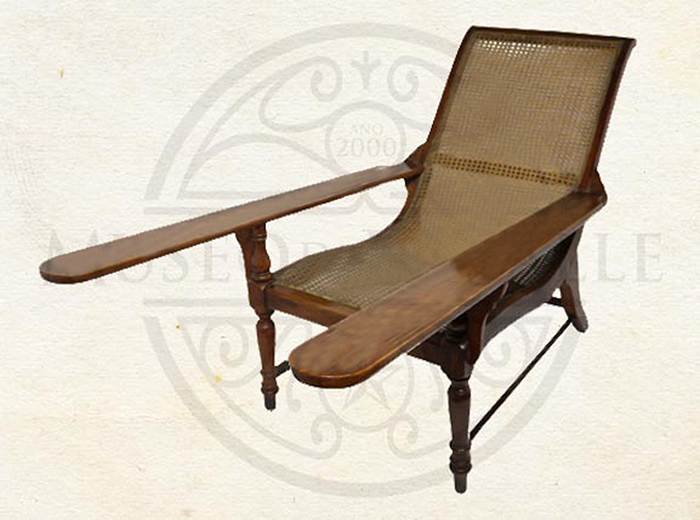
Chairs have historically been associated with status, hence the term “seat of power.” They have existed since early Dynastic Egypt (3100 BC), among the Greeks and Romans, in China in the 12th century, and in Aztec civilization. The surviving examples from medieval Europe are often ornate and associated with royalty and nobility. Most people sat on chests, benches and stools until around the 16th century of the Renaissance, when chairs became more common and distinctive designs started emerging from then on.
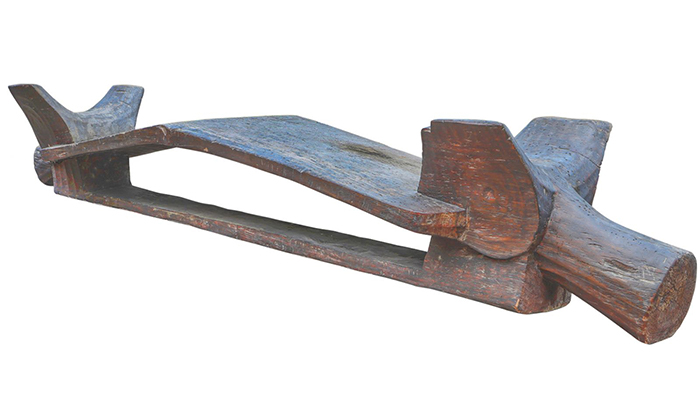
In pre-colonial Philippines, common seating included bangko stools and benches like the Ifugao hagabi. The papag bamboo cot could also be used for the purpose. Spanish colonization brought European chairs to the Philippines, the first one arriving with the Magellan expedition—the Sillion de Cadera, with four S-shaped supports on two runner-like stands, derived from the sella curulis of Ancient Rome. Covered in velvet, it was used for the first Mass on Limasawa Island in 1521.
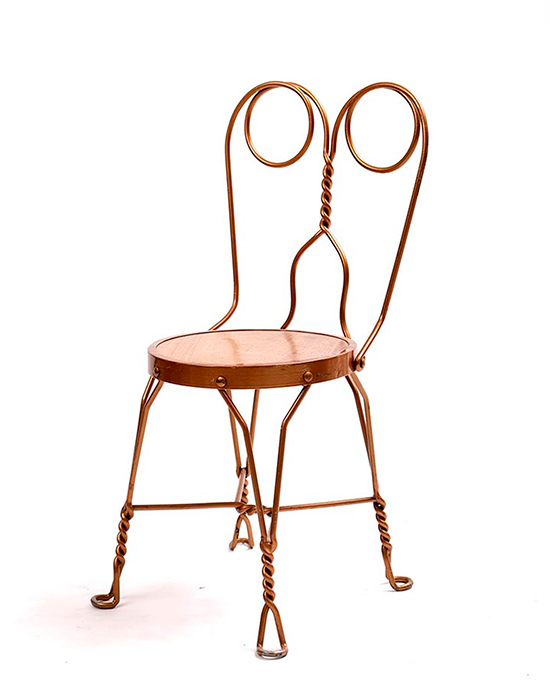
Chairs became the standard for leaders to sit on—the more ornate, the higher the position. With the Galleon Trade, the chair became more democratized, and new designs emerged as craftsmen began to experiment. The principalia started commissioning lavish examples for their homes, and so did the religious orders for their churches. In the 17th century, baroque carved chairs featuring acanthus leaves, angels, and cartouches were created for bishops, from whom the chair eventually got its name.
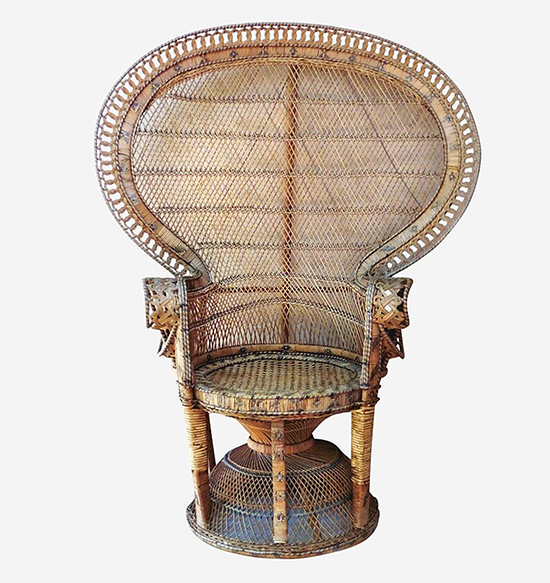
The American Occupation made chairs even more widespread, as they introduced mass production, which had already taken root in the United States when “fancy chairs” were machine-manufactured by Sears and Roebuck in the 1830s. At the Philippines’ Bilibid Prison, inmates created the peacock chair, which was exported and became famous all over the world.
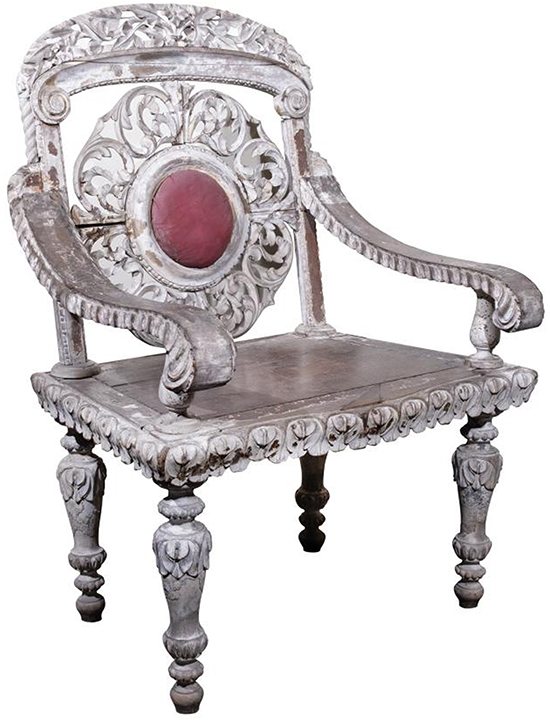
Advances in technology in the 20th century saw the construction of all-metal folding chairs, metal-legged chairs, molded plastic chairs, and ergonomic chairs. 1960s modernism brought new forms—the butterfly chair, bean bags and the egg-shaped pod chair. Molded plywood and wood laminate pieces also emerged.
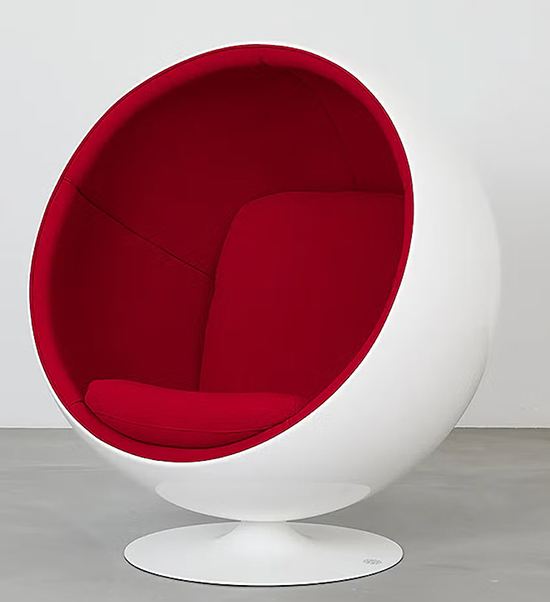
The 1963 Ball by Eero Arnio: It is designed to be like a room within a room, breaking against traditional Scandinavian minimalism to express the Pop aesthetic of the era and becoming an icon of the Space Age. Photo from @housebeautiful
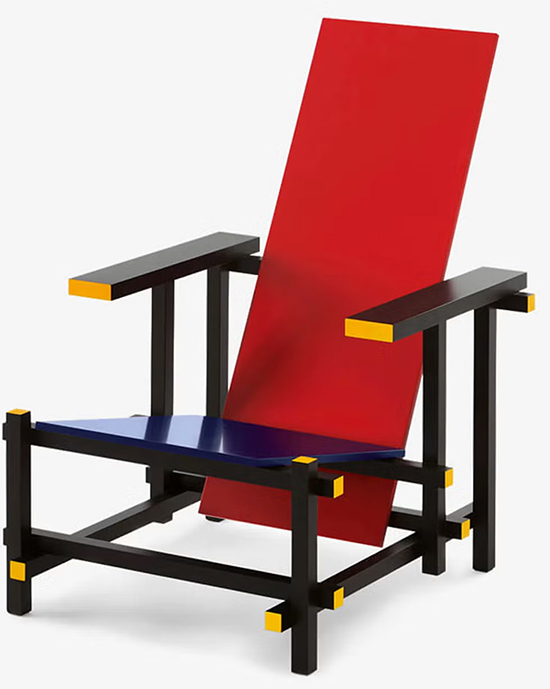
Red and Blue Chair by Gerrit Rietveld: Designed in 1917, it is one of the first explorations by the De Stijl art movement in its pursuit of a new visual language of pure abstraction. Photo from @housebeautiful
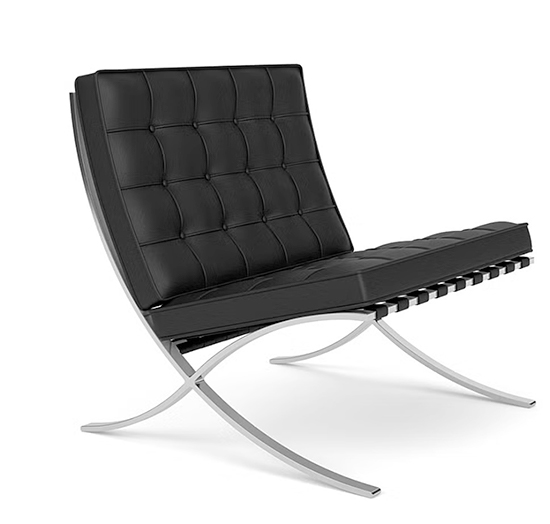
Barcelona by Ludwig Mies Van Der Rohe: Created in 1929, it is a symbol of Bauhaus minimalism that was inspired by the ancient scissor-like curule seat linked to positions of power, traced back to 1500 BC. Photo from @housebeautiful

LCW (Lounge Chair Wood) by Charles & Ray Eames: It is made of five layers of plywood molded with heat and a bicycle pump, a marvel for the post-war years when it was released in 1945. Photo from @housebeautiful
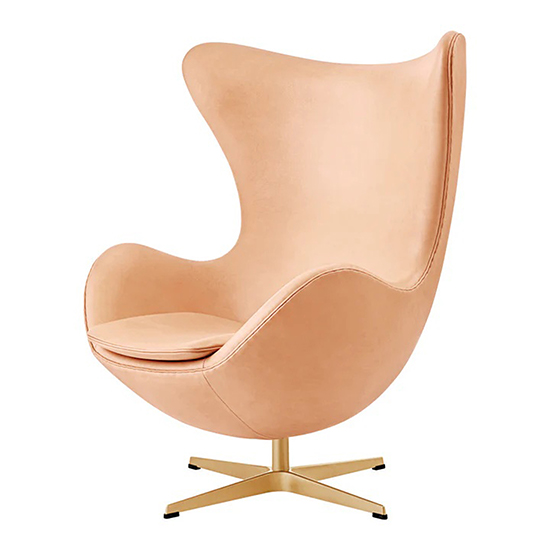
The Egg by Arne Jacobsen: It reflects the designer’s new approach in 1958 using hard foam instead of wood and steel, employing free, sculptural curves and organic forms that architects embraced post-WWII. Photo from @studiodimensione
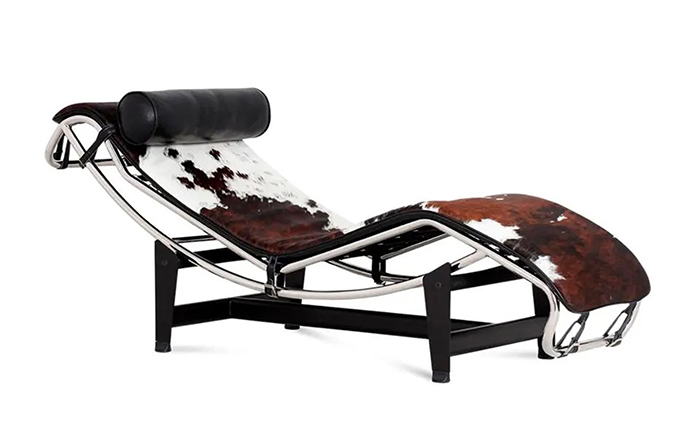
The LC4 Chaise Lounge (1928) by Le Corbusier, Charlotte Perriand and Pierre Jeneret: It is famously dubbed “the relaxing machine” as it follows the natural curve of the human spine and body for unparalleled comfort and support. Photo from @pinterest
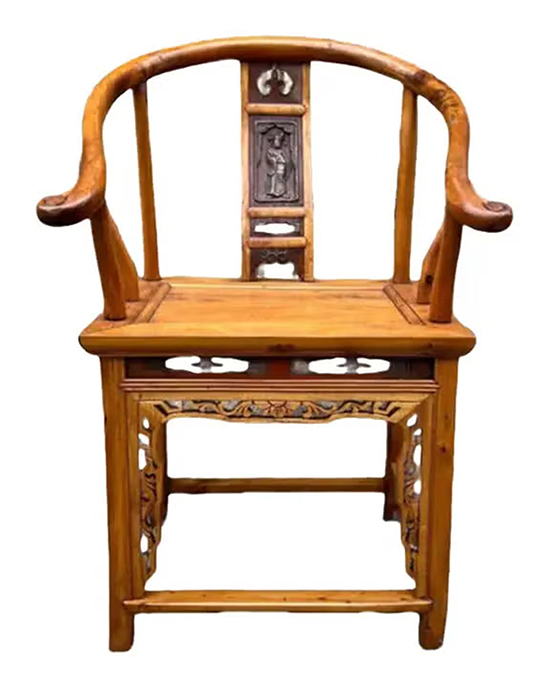
Ming: The armchair designs from the Ming Dynasty (1368–1644), originally produced without the use of nails, became very influential in the design world for their graceful lines. Photo from @housebeautiful
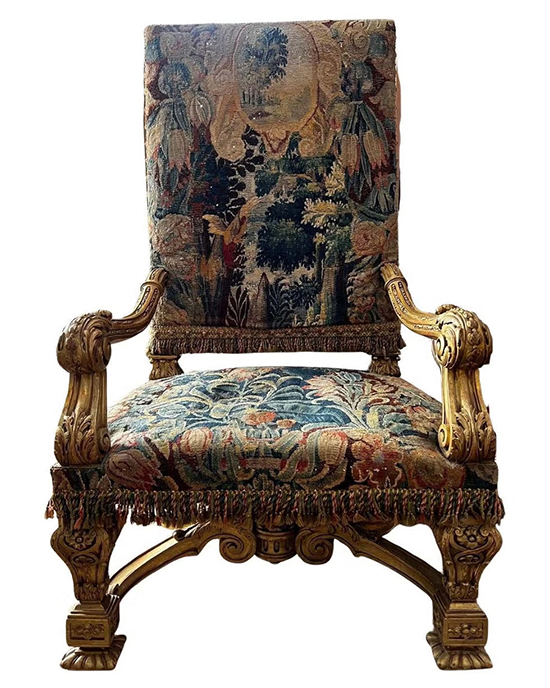
Louis XIV: Straight backs, curved armrests, crossed stretchers, and ornate carving characterized the chairs from the reign of this king, who oversaw the construction of Versailles. Photo from @housebeautiful
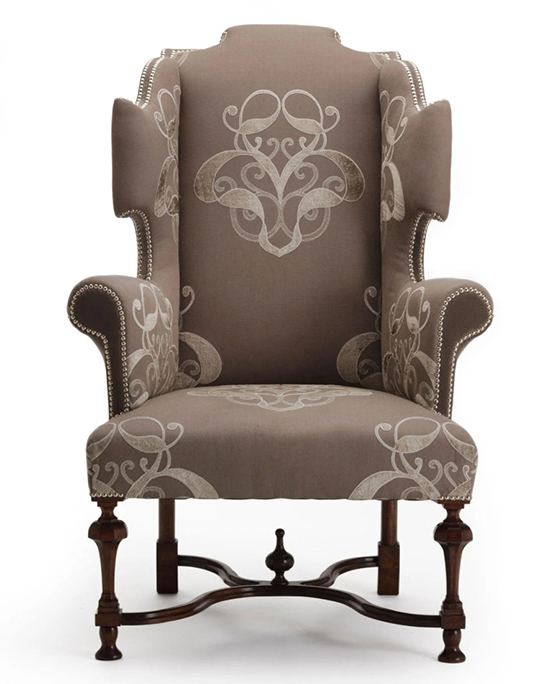
Wing Chair: First appearing in the late 1600s, it was designed to block drafts from a fireplace and protect the sitter’s skin from the heat. Photo from @theoddchaircompany
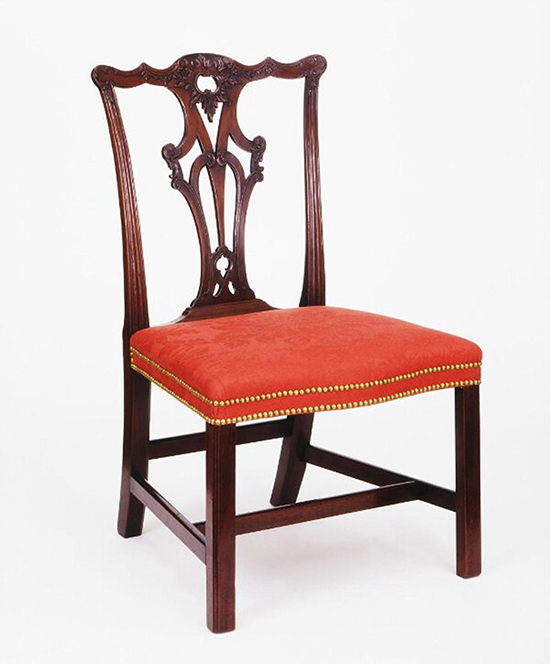
Chippendale: Designed by Thomas Chippendale around 1750, it is distinguished by a unique fusion of Rococo (ornate, naturalistic curves), Gothic (pointed arches), and Chinese (pagoda-like roofs and latticework). Photo from @vam.ac.uk
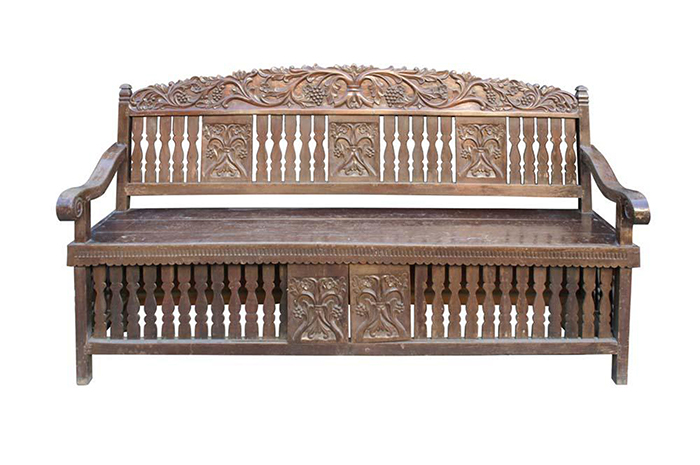
Gallinera: From the Spanish “chicken coop,” a bench originally used in the zaguan on the ground floor or receiving area to accommodate farmers who came with their roosters, which could be stored underneath. Photo from @leongallery

Louis XVI: A symbol of luxury during the doomed reign of Louis XVI and Marie Antoinette (1774–1792), it was known for its Neoclassical influence, characterized by straight lines, symmetry and classical ornamentation. Photo from @wikipedia


The 1963 Ball by Eero Arnio: It is designed to be like a room within a room, breaking against traditional Scandinavian minimalism to express the Pop aesthetic of the era and becoming an icon of the Space Age. Photo from @housebeautiful
Red and Blue Chair by Gerrit Rietveld: Designed in 1917, it is one of the first explorations by the De Stijl art movement in its pursuit of a new visual language of pure abstraction. Photo from @housebeautiful
Barcelona by Ludwig Mies Van Der Rohe: Created in 1929, it is a symbol of Bauhaus minimalism that was inspired by the ancient scissor-like curule seat linked to positions of power, traced back to 1500 BC. Photo from @housebeautiful
LCW (Lounge Chair Wood) by Charles & Ray Eames: It is made of five layers of plywood molded with heat and a bicycle pump, a marvel for the post-war years when it was released in 1945. Photo from @housebeautiful
The Egg by Arne Jacobsen: It reflects the designer’s new approach in 1958 using hard foam instead of wood and steel, employing free, sculptural curves and organic forms that architects embraced post-WWII. Photo from @studiodimensione
The LC4 Chaise Lounge (1928) by Le Corbusier, Charlotte Perriand and Pierre Jeneret: It is famously dubbed “the relaxing machine” as it follows the natural curve of the human spine and body for unparalleled comfort and support. Photo from @pinterest
Ming: The armchair designs from the Ming Dynasty (1368–1644), originally produced without the use of nails, became very influential in the design world for their graceful lines. Photo from @housebeautiful
Louis XIV: Straight backs, curved armrests, crossed stretchers, and ornate carving characterized the chairs from the reign of this king, who oversaw the construction of Versailles. Photo from @housebeautiful
Wing Chair: First appearing in the late 1600s, it was designed to block drafts from a fireplace and protect the sitter’s skin from the heat. Photo from @theoddchaircompany
Chippendale: Designed by Thomas Chippendale around 1750, it is distinguished by a unique fusion of Rococo (ornate, naturalistic curves), Gothic (pointed arches), and Chinese (pagoda-like roofs and latticework). Photo from @vam.ac.uk
Gallinera: From the Spanish “chicken coop,” a bench originally used in the zaguan on the ground floor or receiving area to accommodate farmers who came with their roosters, which could be stored underneath. Photo from @leongallery
Louis XVI: A symbol of luxury during the doomed reign of Louis XVI and Marie Antoinette (1774–1792), it was known for its Neoclassical influence, characterized by straight lines, symmetry and classical ornamentation. Photo from @wikipedia
CLOSE
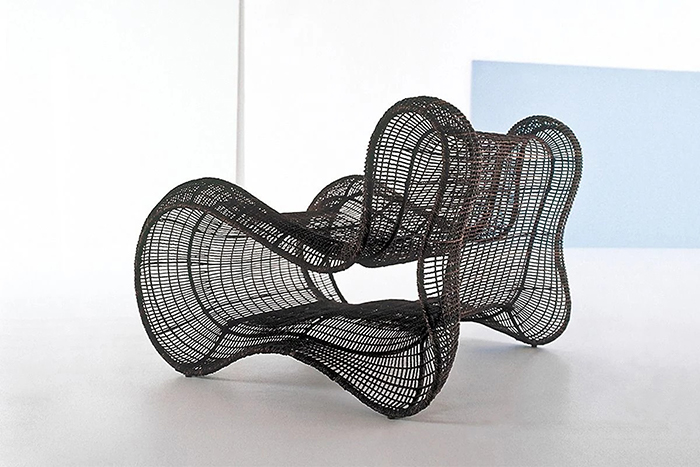
Aside from the peacock and other rattan chairs, Philippine manufacturers produced their versions of trends from abroad. With CITEM’s FAME show, designers like Kenneth Cobonpue, Milo Naval and Vito Selma started creating original Filipino furniture, including some distinctive chairs with a modern aesthetic but a Filipino sensibility that placed the country on the international design map.