

LOOK: NASA releases 'Earthset' shot, close-up Moon photos by Artemis crew
NASA released a historic photograph of Earth dipping below the lunar horizon, more than 57 years after an iconic "Earthrise" image was captured by an Apollo 8 astronaut.
Members of the Artemis II crew captured the shot from their Orion capsule during the mission's record-setting lunar flyby, echoing the legendary "Earthrise" photograph taken by US astronaut Bill Anders in December 1968 during the first space mission to carry humans around the Moon.
58 years ago, Apollo 8 orbited the Moon 10 times without landing. During one orbit, Anders captured Earth's brilliant blue hue standing out against the vast darkness of space and accentuated by the desolate, grey lunar horizon in the foreground.
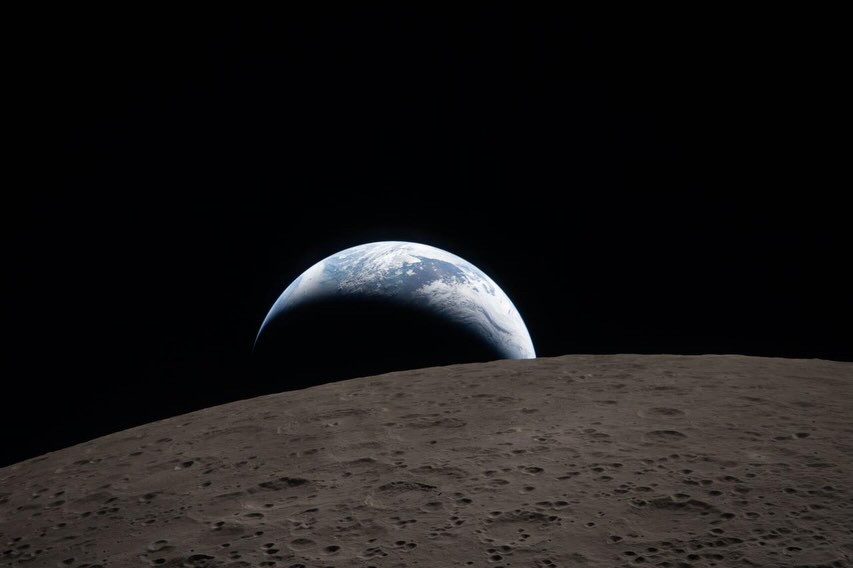
The crew of four—US astronauts Reid Wiseman, Christina Koch, and Victor Glover, as well as Canadian Jeremy Hansen—are on a historic mission to loop around Earth's natural satellite as part of a broader program paving the way for a Moon landing in 2028.
The astronauts have reported in vivid detail features of the lunar surface and later witnessed a solar eclipse, when the Moon passed in front of the Sun.

The White House also posted a NASA photograph of the eclipse, revealing what it said is "a view few in human history have ever witnessed."
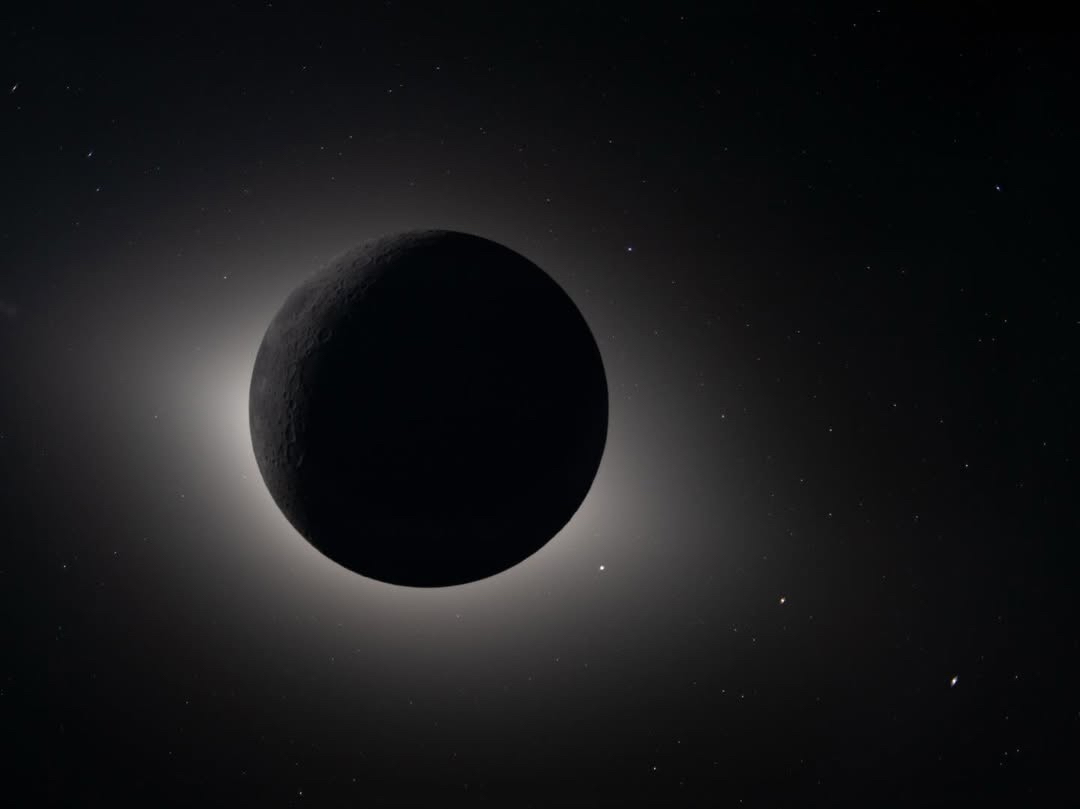
After traveling deeper into space than any other humans, the Artemis II astronauts pointed their moonship toward home Monday night (Tuesday morning, PH time), wrapping up a lunar cruise that revealed views of the far side never beheld by eyes until now.
In an especially riveting retro throwback, Artemis II shattered the distance record set by Apollo 13 in 1970. NASA’s Orion capsule reached a maximum distance of 252,756 miles (406,771 kilometers) from Earth before hanging a U-turn behind the moon, 4,101 miles (6,600 kilometers) farther than Apollo 13.
“It is blowing my mind what you can see with the naked eye from the moon right now. It is just unbelievable,” Canadian astronaut Jeremy Hansen radioed. He challenged “this generation and the next to make sure this record is not long-lived.”
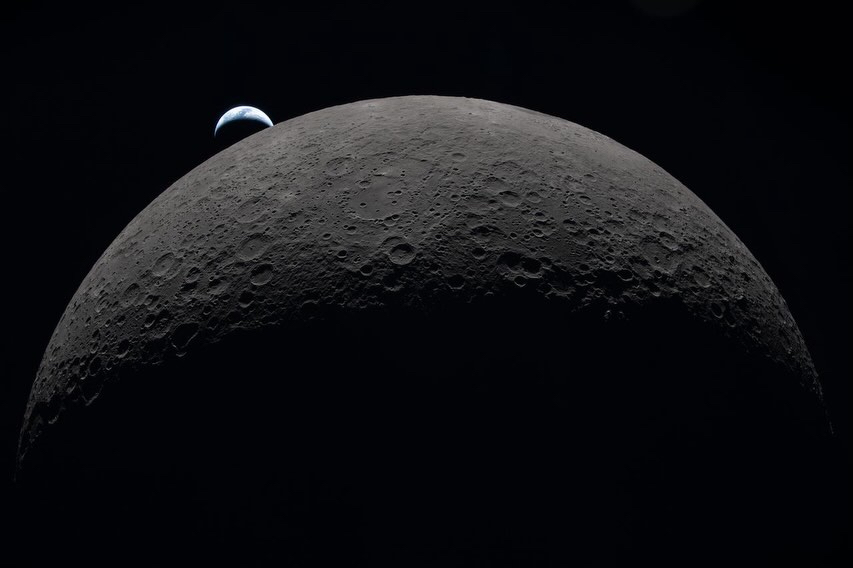
Artemis II’s lunar fly-around and intense observation period lasted seven hours, by far the highlight of the nearly 10-day test flight that will end with a splashdown in the Pacific on Friday.
Venturing as close as 4,067 miles (6,545 kilometers) to the gray dusty surface, the astronauts zipped through a list of more than two dozen targets, using powerful Nikon cameras as well as their iPhones to zoom in on impact craters and other intriguing lunar features.
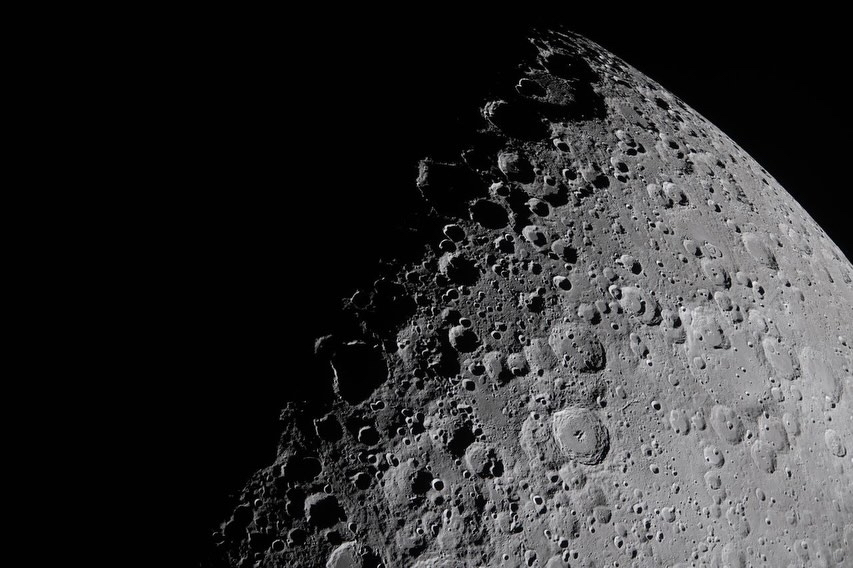
The Artemis II astronauts made their closest approach to the moon and reached their maximum distance from Earth while they were out of contact. Their speed at closest approach: 3,139 mph (5,052 kph). The spacecraft accelerated as it appeared from behind the moon and the planned communications blackout and made tracks for Earth.
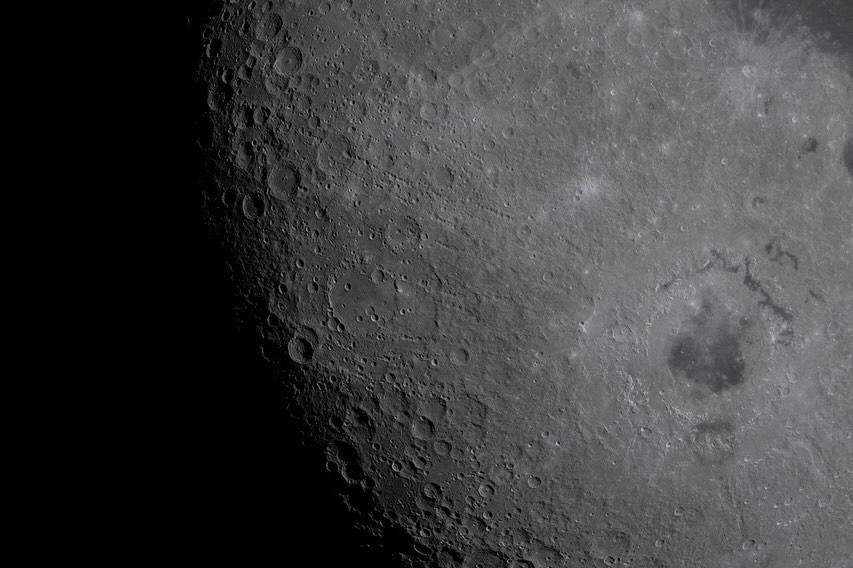
Artemis II is NASA’s first astronaut moonshot since Apollo 17 in 1972. It sets the stage for next year’s Artemis III, which will see another Orion crew practice docking with lunar landers in orbit around Earth. The culminating moon landing by two astronauts near the moon’s south pole will follow on Artemis IV in 2028.
While Artemis II may be taking Apollo 13’s path, it’s most reminiscent of Apollo 8 and humanity’s first lunar visitors who orbited the moon on Christmas Eve 1968 and read from the Book of Genesis.

WATCH: Save for retirement or enjoy life now? (Generations Ep. 21)
September 16, 2026
WATCH: Can you still trust someone who betrayed you? (Generations Ep. 22)
September 23, 2026
WATCH: Pixar Summer Fest adventure at Hong Kong Disneyland
August 10, 2026