'The Lord of the Rings' at 25: The staying power of Peter Jackson's saga
In 2001, the first entry of director Peter Jackson’s Lord of the Rings saga hit the big screen with The Fellowship of the Ring. Lacking any affinity for the fantasy genre, this writer had to be dragged into the cinema against his will (the words, “I’m not watching some Dungeons and Dragons bullsh*t!” may have been used), not knowing that it would go down as one of the seminal big-screen experiences of all time.
Shooting on location in New Zealand, Jackson and his cohorts brought audiences into a breathtaking, fully realized world, brought to stunning life by the incredible production design, brilliant acting, and epic battles that would come to characterize the series. Frodo (Elijah Wood, Flipper), Sam (Sean Astin, The Goonies), the Fellowship, and their foes were elevated to the status of pop culture icons.
The Hobbit films that Warners would force on Jackson a decade later, notwithstanding, the one-two punch of the LOTR and Harry Potter films debuting in 2001 went a long way to legitimizing fantasy in the mainstream. With the recent release of the LOTR's extended editions in cinemas for Fellowship of the Rings’ 25th anniversary, fans have been gifted the perfect chance to relive the magic on the big screen, while giving a new generation an opportunity to see what the fuss is about.
'The Fellowship of the Ring' is a bold beginning
At the Philippine Tolkien Society’s fan screening, the mood was electric—from the first notes of Howard Shore’s stirring score, it was 2001 all over again. The Fellowship of the Ring follows the adventures of Frodo Baggins, an unassuming creature who finds himself in possession of the Ring of Power, an artifact with the power to destroy Middle Earth. Tasked with destroying the Ring, Frodo is joined by the titular Fellowship, a motley crew of four Hobbits (Frodo included), two humans, a dwarf, an elf, and a wizard (insert Dungeons and Dragon joke here).
Fellowship had the unenviable assignment of covering centuries of lore in the first five minutes, which it admirably accomplishes through an efficient—yet striking—combination of imagery and Galadriel’s (Cate Blanchett, in full queen mode) ethereal narration. That Jackson and his team managed to grip the audience so effectively in the opening moments while building a living, breathing world was no mean feat, the fact that it went on to interject increasingly impressive visuals and unforgettable character work over the next two-and-a-half hours without losing momentum was an act of genius.
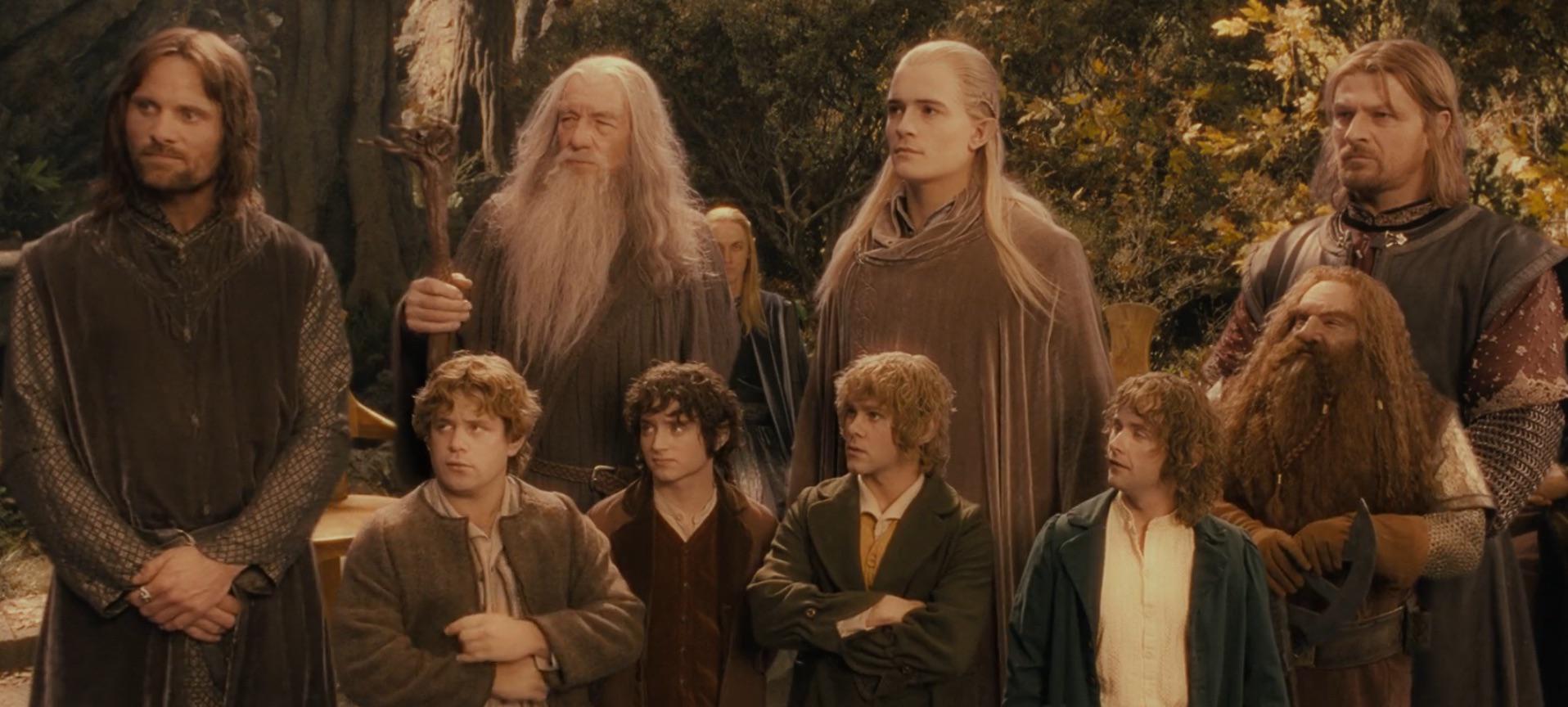
And therein lies the rub, as The Fellowship of the Ring Extended Edition adds about 27 minutes of scene extensions and interjections that actually impede the theatrical cut’s taut pacing. In a lot of instances, the new material stands out like a sore thumb due to its incongruous nature, as when Boromir (Sean Bean, Goldeneye) is threatened with thunderbolts and lightning during an otherwise straightforward dialogue scene. At the same time, additions such as Bilbo’s (Ian Holm, Alien) musings on the nature of Hobbits are nice to see, but honestly don’t add anything most viewers wouldn’t already surmise.
'The Two Towers' raised the bar for sequels
Of the three films, The Two Towers had its work cut out for it. Being the middle chapter in a series that everyone knew contained three parts, the challenge lay in ensuring that people would want to see a film that—by definition—would end in media res. Just as the filmmakers had single-handedly made a generation of filmgoers embrace fantasy (present company included) the year before, 2002’s The Two Towers would end up as one of the greatest films of all time, full stop. Upping the ante in terms of characters, stakes, and a climactic conflict so epic that it’s still talked about today, The Two Towers didn’t just live up to expectations; it obliterated them.
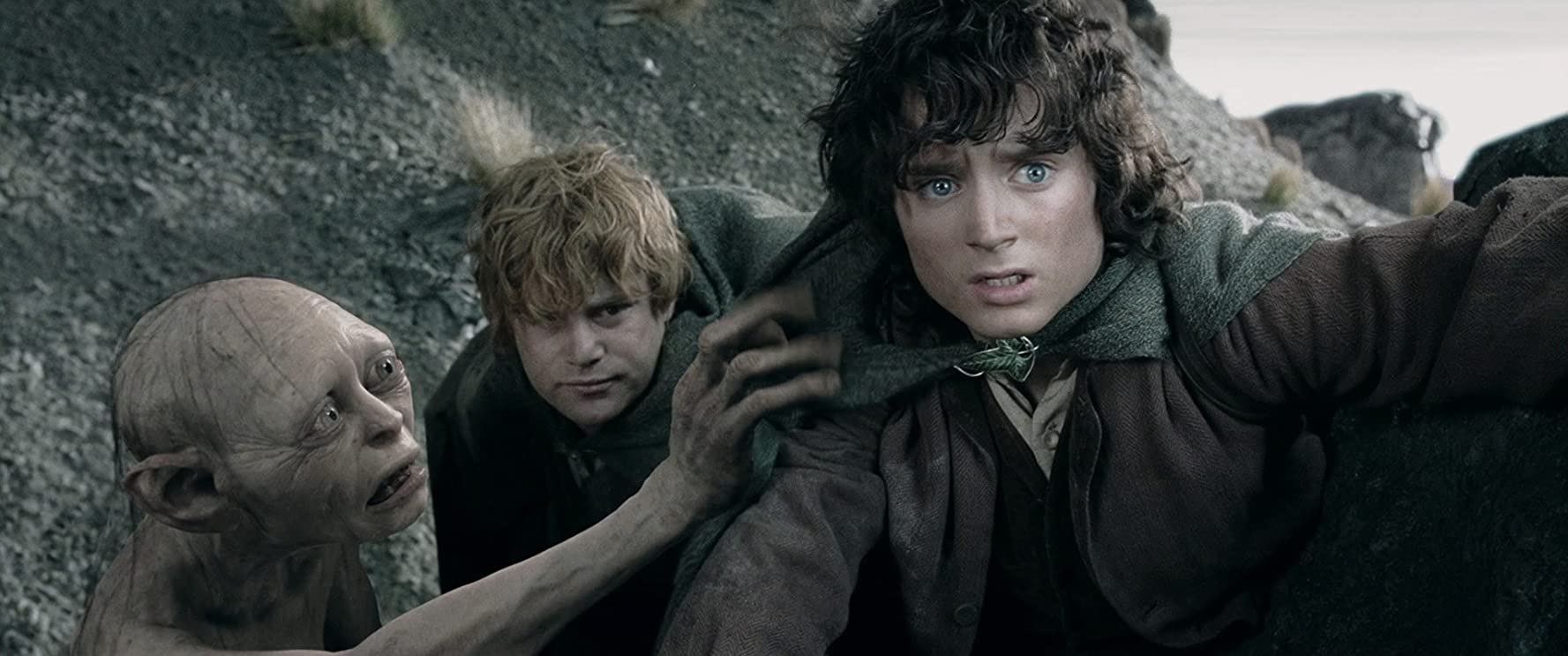
At the center of the hype was Gollum (Andy Serkis, Black Panther), a former owner of the Ring who had been corrupted by its power. Gollum wasn’t just a special effect or a gimmick; he was a fully realized character, with clear motivations and a tangibility that belied his digital origins. He represented the next generation of fully computer-generated characters that audiences could actually believe in, erasing the memory of Jar Jar Binks and setting the photoreal digital stage for the likes of Pirates of the Caribbean’s Davey Jones, Avatar’s N’avi, and everything that came after.
The Two Towers Extended Edition has several of the same problems that Fellowship’s had, with many of the new bits being redundant, but largely harmless, save for the straight-up character assassination that reduces fan-favorite Eowen (Miranda Otto, War of the Worlds) to a lovesick fangirl whose cringeworthy crush on Aragorn (Viggo Mortensen, A History of Violence) goes on for far too long. Thankfully, the extensions to the legendary Battle of Helm’s Deep fare far better, effectively increasing the tension and drama of an already iconic sequence.
'The Return of the King' is a finale for the ages
The Return of the King could have easily been a victory lap for Jackson and Co., but their obvious love for the material shines through here, resulting in a finale for the ages. The forces of good and evil are regrouping following the Battle of Helm’s Deep, and Lord Denethor (John Noble, The Boys), steward to the vacant throne of Gondor, has no interest in having his armies join the fray. Driven mad by grief over his son Boromir’s passing (in Fellowship), Denethor retreats to the grand halls of Minas Tirith to await the inevitable. At the same time, Frodo and Sam have reached the borders of Mordor, where they intend to cast the accursed Ring into the fires of Mount Doom and, finally—assuming they survive—find their way home.
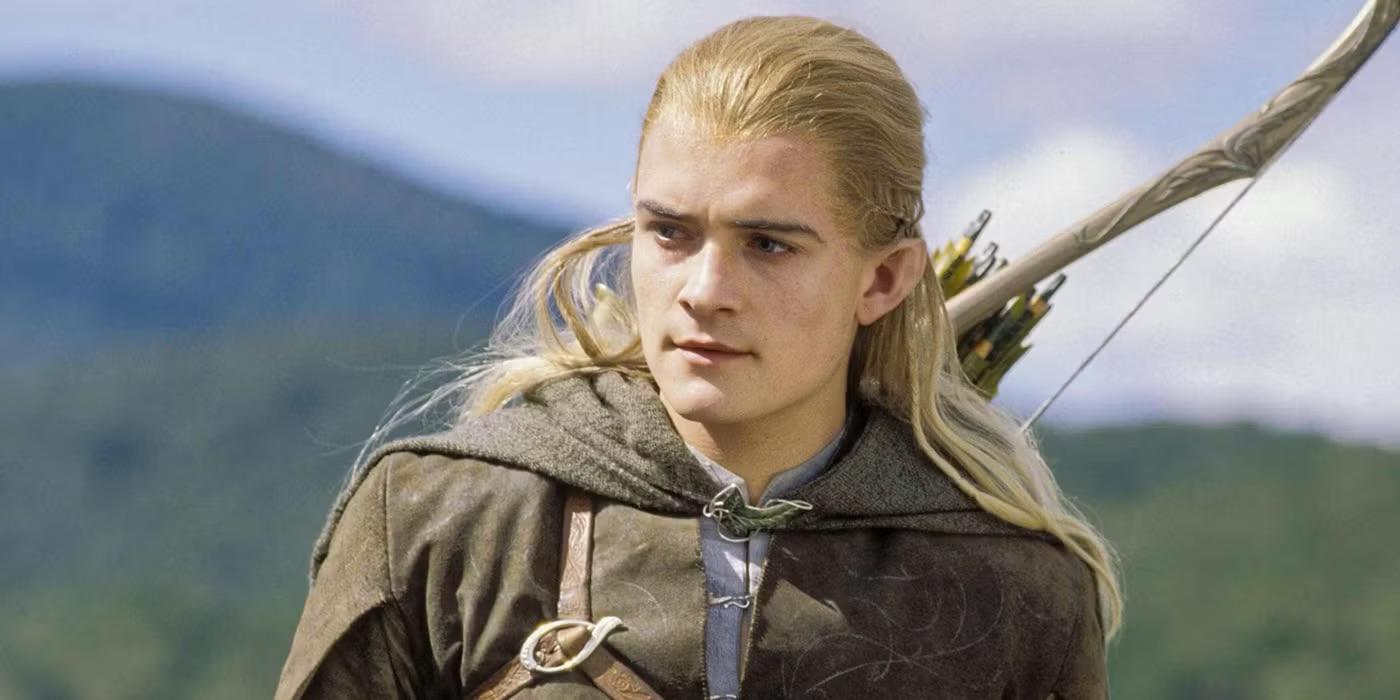
For Philippine moviegoers in 2003, the level of anticipation this film kicked up bordered on the absurd—threatened with having to wait until January to see the film due to the incoming Metro Manila Film Festival, the week before Christmas saw Pinoys buying up private block pre-screenings en masse, resulting in joyfully cacophonous in-theater reactions; when Legolas (Orlando Bloom, Elizabethtown) took out that oliphant, it would have given Captain America lifting Mjolnir a run for its money.
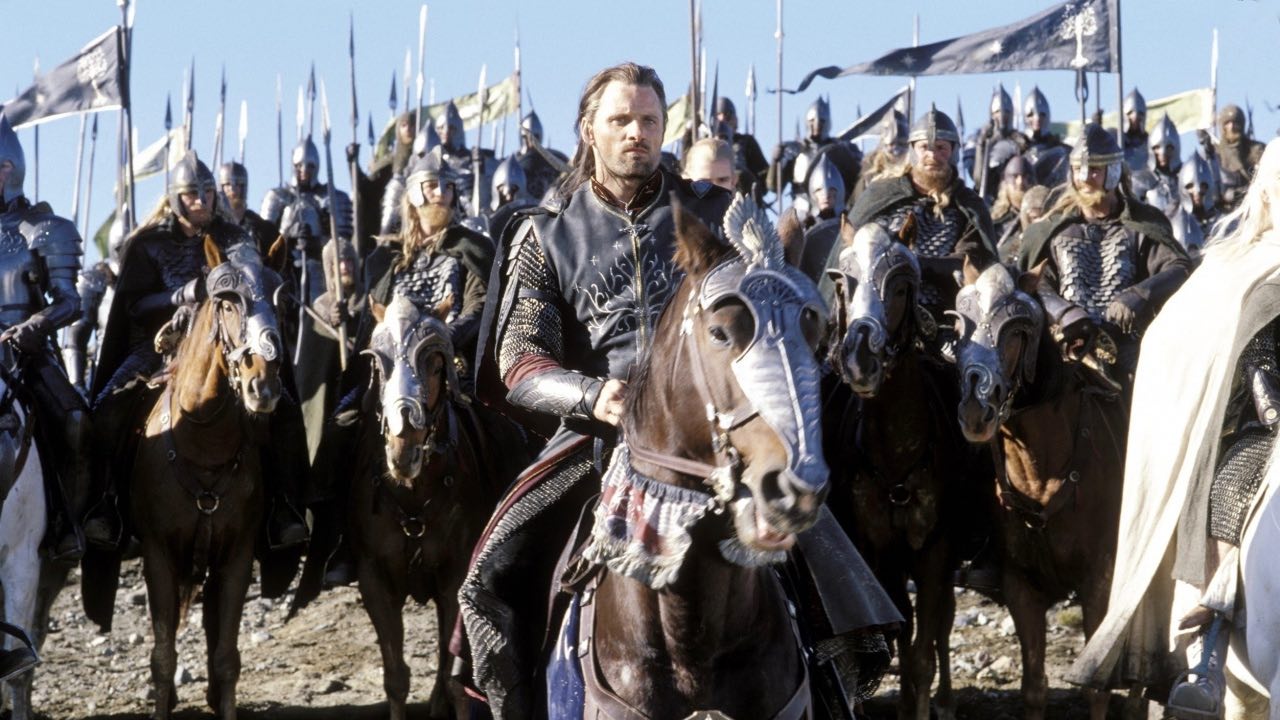
In 2026, the experience was less gleefully chaotic, but just as satisfying, as Peter Jackson brought his ongoing storylines to a well-earned conclusion, with all the action, spectacle, and heart one could have hoped for. With this film, at least, the Extended Edition edits aren’t as glaring, save for an inane addendum that robs Eowen’s signature moment of its triumphant energy—without reservations, this bit should have stayed on the cutting room floor.
The film’s ultimate denouement remains largely untouched, while the infamous multiple epilogues that follow—oft derided for being overly indulgent—provide a level of catharsis one doesn’t often get in a film of this size. For their efforts on Return of the King, Jackson and his team took home an astonishing eleven Academy Awards (tying with stone-cold classics Ben Hur and Titanic for the most-ever wins), no mean feat for a genre-based blockbuster.
There and back again: The future of LOTR
On March 25, Tolkien Day, LOTR director Peter Jackson made the surprising announcement that, aside from Andy Serkis’ long-gestating Hunt for Gollum film—set in the 17(!) years between Gandalf leaving the Shire and returning to tell Frodo to head to Bree—a second project was also in the works, headed up by late night talk show host Stephen Colbert. A known Tolkien superfan, Colbert’s film would depict the Hobbits’ journey to Bree, featuring material from the first six chapters of Fellowship that didn’t make it into the 2001 film.
It’s encouraging that Warner Bros. considers the LOTR franchise a priority in light of their being acquired by Paramount, though one does hope that these projects will receive the pre-production time that the (rightfully) maligned Hobbit films didn’t. However, Jackson didn’t mention whether or not the upcoming projects would feature any returning cast members, aside from the previously announced Serkis (as Gollum) and Sir Ian McKellen (as Gandalf). While the filmmakers’ stated intentions to maintain continuity with what’s come before imply that Weta Digital will probably spend more time de-aging everyone than anything else, it’s honestly difficult to imagine anyone else in parts that Mortensen, Bloom, et al made famous.
A fan's journey
In any case, these projects sound infinitely more interesting than whatever Amazon’s doing with their bloated, directionless Rings of Power TV series. Between the announcements and the recent screenings, it’s definitely a good time to be a fan. Indeed, for all the tonal shifts the Extended Edition add-ons create, the communal experience of seeing The Lord of the Rings in a cinema is one that anyone who’s ever been interested in film should enjoy at least once.
Much like Star Wars, Jaws, or even Citizen Kane and The Godfather, Peter Jackson’s trilogy represents the kind of cinematic bravado that could only have been made by someone on the cusp of discovering just how good they could be (and, conversely, probably didn’t know what they were getting into). The result is three generational blockbusters that, twenty-five years on, have (arguably) yet to be topped in terms of ambition, craft, or quality. And that’s something that no number of shoddy prequels, spinoffs, or threatened reboots can bring down.
Hail to the Ring.
The Lord of the Rings Extended Edition anniversary screenings will conclude this weekend, with Return of the King available in select cinemas. The Extended Editions are also available on Amazon Prime Video.