

The Lure of Lijiang
Lijiang, a city in Yunnan province, is known for its majestic alpine landscapes and glacier peaks (that is why it is sometimes referred to as the “Switzerland of China”). Lijiang is also renowned for its vibrant Naxi culture and the UNESCO-listed Old Town.
The Naxi, Nakhi, or Nashi are people inhabiting the Hengduan Mountains near the Eastern Himalayas in the northwestern part of Yunnan province. They are thought to have come originally from northwestern China, migrating south toward Tibetan-populated regions. They are one of the 56 ethnic groups officially recognized by the People’s Republic of China.
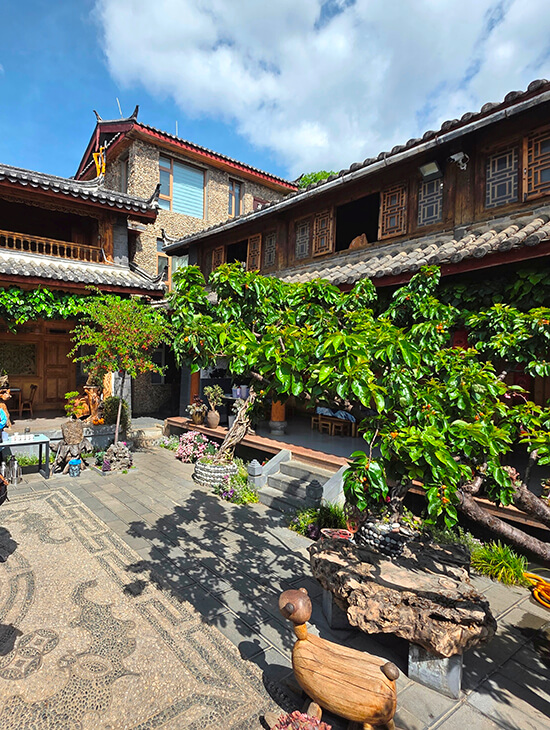
Lijiang’s culture combines traditional Naxi culture and certain elements learned from Ming dynasty Han Chinese traders, who settled in the region centuries ago. What better way to learn how they live than by visiting one of their homes? So we headed to the home of a local Naxi family in Yuhu Village. It was a beautiful 200-year-old home with 10 rooms, and the hospitable owners welcomed us and showed us their own and fed us with hand-ground warm tofu (like our Philippine taho) and other local snacks. The tofu is made at their home using traditional machines, which former senator Nikki Coseteng even used to actually grind soybeans! One of them also showed us how they make their handmade paper.
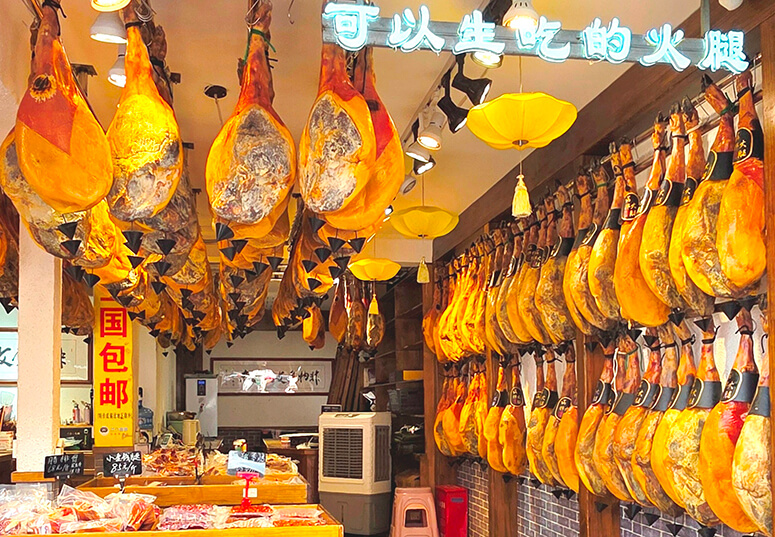
Yunnan cuisine, also known as Dian cuisine, is a combination of the cuisines of Han Chinese and other ethnic minority groups in Yunnan in Southwestern China. Yunnan province has the largest number of ethnic minority groups in China, and its cuisine is very varied and is difficult to generalize. Many Yunnan dishes are quite spicy, and mushrooms are featured prominently. Flowers, ferns, algae, and insects may also be eaten. Lijiang cuisine offers a distinct blend of Naxi, Tibetan, and Yunnan flavors, specializing in wild mushrooms, yak meat, and spicy, savory dishes. Of course, the most well-known product is their Yunnan ham, which is incorporated in a lot of dishes.
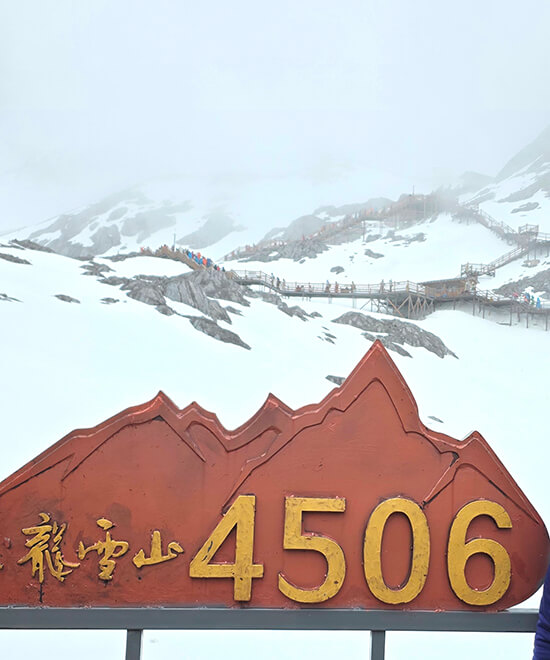
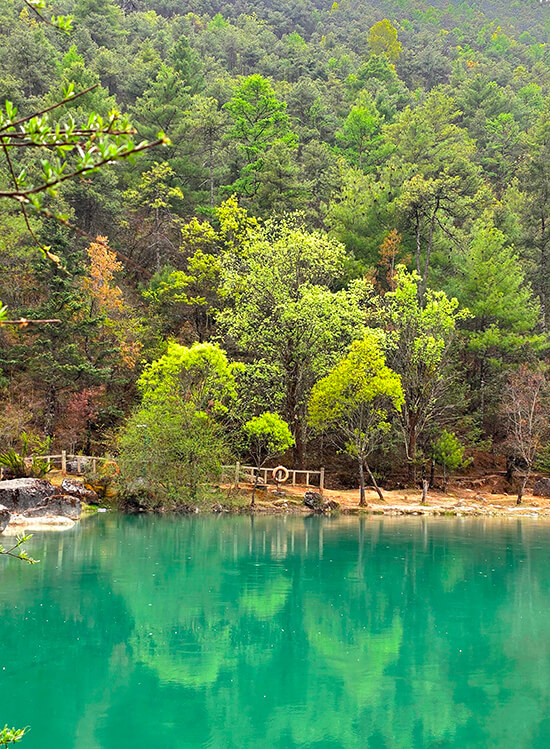
For a feel of Switzerland, go to Jade Dragon Snow Mountain or Yulong Mountain—a mountain range in the Yulong Naxi Autonomous County in Lijiang. The mountain range includes the 5,596-m Shanzidou peak. It is popular for its glacier park with cable cars ascending to 4,506 meters above sea level. The area is a sacred site for the Naxi people and is famous for its year-round snow. I walked up a bit higher, and that is the highest altitude I have ever reached. Portable oxygen canisters are sold in the area in case anyone needs them. I bought one just for safety, but didn’t even need it. At the foot of the mountain is Blue Moon Valley, an extremely blue river meandering through a lush valley, which is mainly composed of four large turquoise lakes and dozens of miniature white waterfalls.
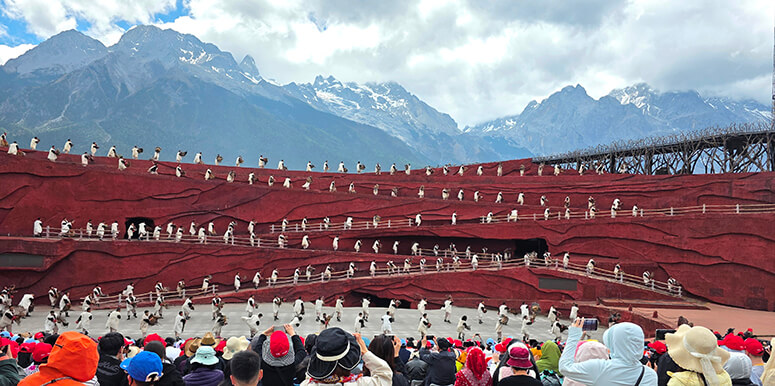
This mountain range is also the backdrop for one of the cultural shows popular in Lijiang. With a cast of hundreds dressed in lavish costumes and sometimes horseback riding on stage, the sight is quite majestic, even if I am not a fan of cultural shows.
CONTINUE READING BELOW

Dayan, also called the Old Town of Lijiang, is the historical center of Lijiang City. A UNE
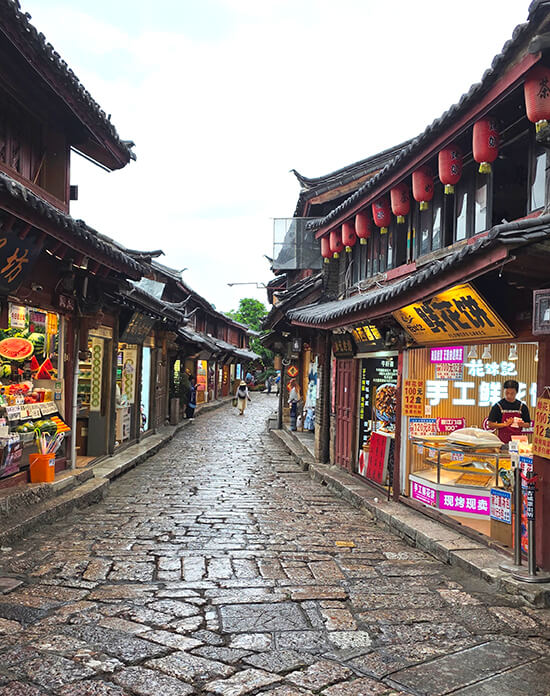
SCO World Heritage site, it has a history going back more than a century and was once a convergence for trade along the “Old Tea Horse Caravan Trail.” The Old Town is famous for its orderly system of waterways and bridges—a system fast becoming just a memory as the underground water table drops, probably due to over-building in the suburban areas. Rain or shine, day or night, the Old Town is picture-perfect with a lot of shops that sell food and souvenirs. The open night market sells a lot of fresh fruit and grilled food. International franchises like Starbucks, KFC, and 7-Eleven are beautifully housed in buildings designed with classic Chinese architecture.
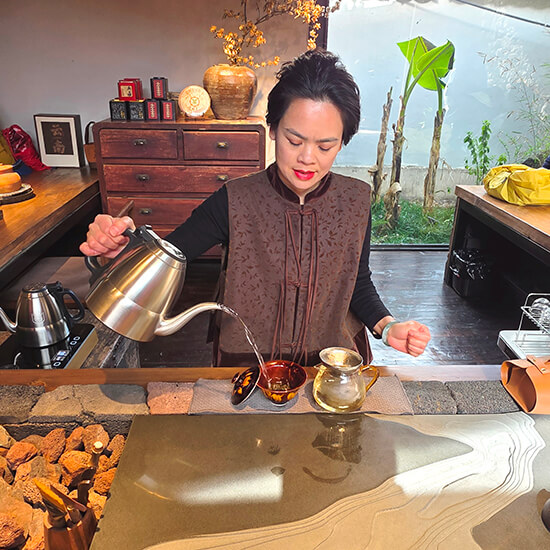
Most tea comes from the Yunnan region so they had excellent black tea, white tea, and the famous pu erh tea. Pu erh (or pu’er) tea is the famous round-shaped fermented tea made from a specific tea plant native to Yunnan. Most teas described as fermented are actually oxidized by enzymes present in the tea plant. Pu erh is fermented microbially by molds, bacteria, and yeasts present on the harvested leaves of the tea plant, making it truly fermented. We had a proper Chinese tea tasting at Baisha Village with some members of the Naxi minority. Aside from pu erh, we had Yunnan black tea and white tea. This enticed some of us to buy some to bring home as gifts for friends in Manila.
With Yunnan province fast becoming a favorite destination for Filipinos, I am sure I shall see you, Lijiang, much sooner than later, and I look forward to coming back!

WATCH: Pixar Summer Fest adventure at Hong Kong Disneyland
August 10, 2026