

Anxious about talking to people? Here's how to get better at it
Conversation is called an art because it needs creativity and the ability to stay in the present. It's a shared space between two or more people where curiosity matters more than perfection.
In a conversation that flows naturally, "both people feel heard, respected, and free to contribute," Jas Lascano, incoming president of the Philippine Association of Professional Speakers, told PhilSTAR L!fe.
"A good conversation is not a performance. It's an exchange where people stay present and leave with a better understanding of each other," he continued.
For some, starting this interaction with others and leading its flow may come instinctively. Others, though, may need some expert tips to get them going.
Start with what you share in the moment
If you're planning to strike up a conversation with a stranger or an acquaintance, it's best to find some common ground first, such as "the event, the place, or something you both noticed," suggested Lascano.
You don't need to start with something grand. The professional speaker recommended to "keep it simple."
CONTINUE READING BELOW

"Introduce yourself and ask an open question," he said. "You don't need a clever opening. You need to show genuine interest."
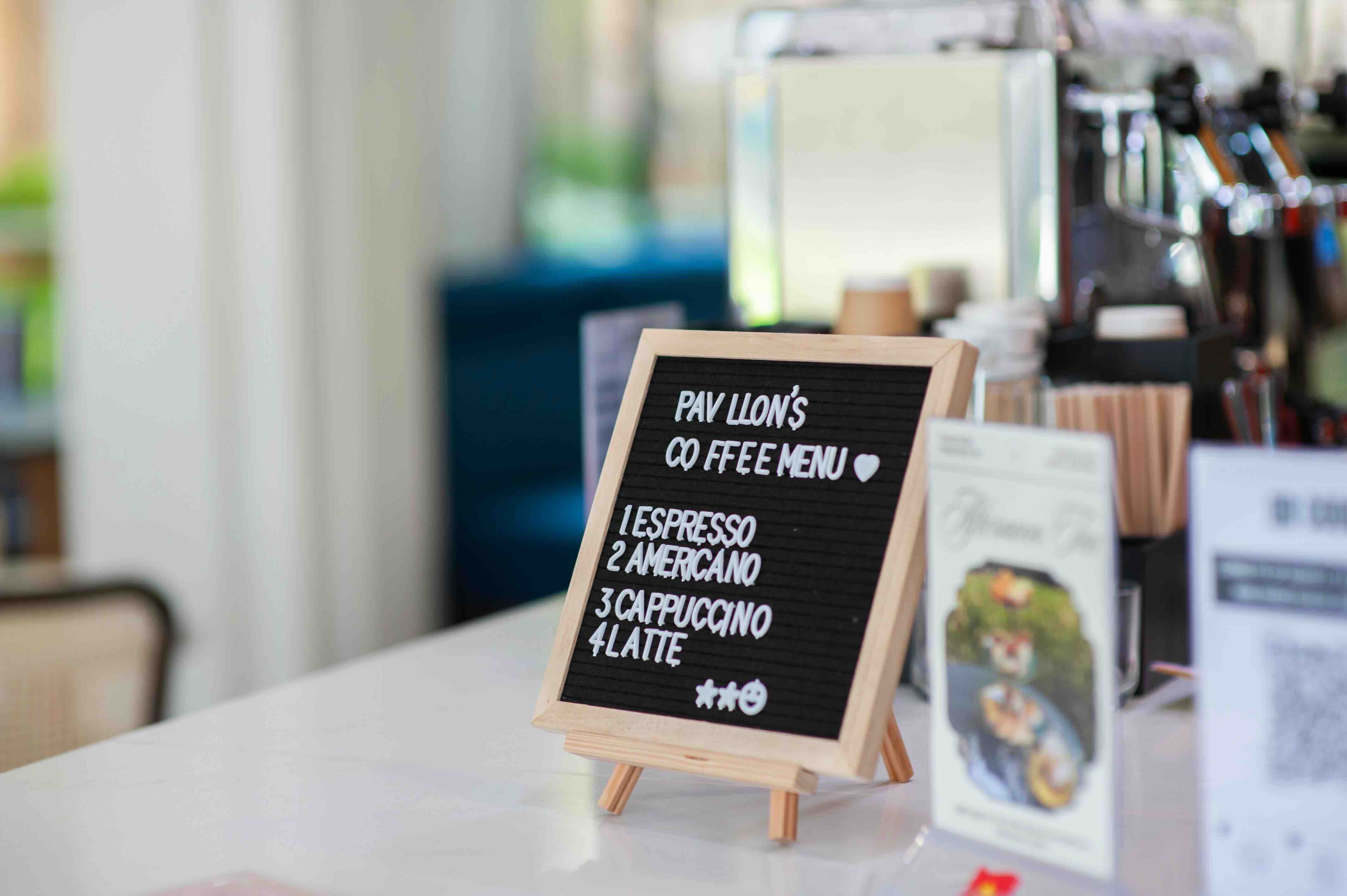
Say you're in line at a busy coffee shop and the baristas are taking a long time to serve everyone. To keep yourself from getting bored, you could ask the person in front of you, "What do you think is taking them so long?"

Ask questions
"[Follow-up questions] matter because they show you are listening," Lascano said. "A good follow-up comes from what the person just said."
Make sure, though, that you don't turn it into an interview.
"Share something of your own, too," reminded Lascano.
Imagine that your co-customer at the coffee shop responds to your question with, "I think it's just the volume of people wanting their coffee today."
You could then say, "That's true; so many people here today. I just hope they don't run out of my favorite cookies. Is it your first time visiting this café?"
Take the conversation in small doses
"Start small," Lascano suggested. "Talk to one person, prepare one or two simple questions, and give yourself permission to listen before speaking."
This is especially helpful for people who may have social anxiety. In those instances, zero in on someone who looks like they're ready to listen and converse. Many great conversations happen because the participants are open and eager to exchange ideas.
"You don't have to be the most talkative person in the room," he added.
In your coffee shop conversation, you don't have to engage the whole queue in a debate. To pass the time without triggering anxiety, you just need to stay present with the person in front of you.
Mind your topics
While Lascano said there is "no universal list" of taboo topics, he added that there are some that may make the conversation awkward. These include money, politics, religion, health, and personal relationships.
If the other person is comfortable talking about them, go for it, but still with some caution, especially if you just met this person.
What you talk about "depends on the people, the setting, and how well you know each other," said Lascano. "Start with shared interests and lighter topics."
If your conversation with your new coffee shop friend turns to the menu, go ahead and discuss the café's specialty items. But don't ask how many of them your friend can afford.
Watch the body language
What face-to-face conversations give us that online chats can't deliver is the opportunity to be fully present.
"Presence is part of the message," said Lascano.
When you talk with someone in person, you get to notice their tone, facial expression, timing, and body language. "Those cues help us understand not only what someone says, but how they feel," he said.
If your coffee shop friend makes eye contact and is animated when they speak, that's a sign that they're interested in the conversation.
Notice when the conversation has run its course
Not all conversations are meant to go on indefinitely. Some may just end naturally. The key is to be observant.
"You may notice shorter answers, long pauses, or attention shifting elsewhere," said Lascano. "That is a good time to close politely [and say], 'It was nice talking to you. I'll let you get back to the event.'"
If your fellow customer starts giving you monosyllabic replies, that would be a sign that they may want to wait for their coffee in silence. Gracefully exit the conversation with, "Great talking to you. I hope they serve us soon."
If you'd like to practice your conversation skills, SpeechCon 2026 is happening on Nov. 28 from 8 a.m. to 5 p.m. at the Admiral Hotel Manila. As the Philippines' biggest and longest-running speakers' convention, it's designed to provide resources to people who regularly capitalize on their speaking skills, including professional public speakers, trainers, members of the academe, communication experts, corporate leaders, managers, government heads, organizational decision-makers, students, youth leaders, and church heads.
The registration fee for members is priced at P4,000 per head; P5,500 for non-members; P3,500 for students; and USD100 for foreign guests. Along with access to the event, the fee includes a printed certificate of participation, lunch as well as morning and afternoon refreshments, a P20,500 discount on the Public Speaking Institute CPS Program, and a waived membership fee for the Philippine Association of Professional Speakers until December 2026.
You may sign up for the event here.